
Are these 8 habits quietly stalling your career?
Why great leaders stall and how we break through
Let's be honest, leadership is harder than it looks from the outside.
We work long hours, say yes to more than we should, and pour ourselves into our teams. We hit our numbers, deliver on our commitments, and by most measures, we're doing everything right. And yet somehow, the promotion doesn't come. The next opportunity goes to someone else. We're respected, but we're not advancing. We're busy, but we're not growing.
Sound familiar? We hear it constantly.
Here's what we've come to understand after working with leaders at every level: the skills, habits, and instincts that made us excellent individual contributors or even strong early-career managers are often the very things holding us back from the next level. The hustle that got us noticed starts to look like an inability to delegate. The deep expertise that made us valuable becomes a habit of staying in the weeds. The quiet professionalism we were taught to model turns into invisibility when it comes to advocating for ourselves.
The gap between good leaders and great ones isn't usually talent. It's awareness.
Senior leadership isn't just looking for people who work hard and get results; they're looking for people who think strategically, communicate with clarity and purpose, invest in those around them, and take ownership of their own growth. They're looking for leaders who lead themselves first.
That's what this issue is about. Below, we've outlined the eight blind spots we see most often in the leaders we coach, not to call anyone out, but because naming them is the first step to moving past them. And right alongside each one, we've included a simple action you can take today, because awareness without action is just a good conversation.
THE PITFALLS AND WHAT TO DO INSTEAD
Here’s what we see come up again and again when working with leaders across industries. These aren’t failures of ambition, they’re blind spots. And the good news is, once we see them, we can fix them.
Talking without a clear point.
Rambling in meetings, burying the ask, or speaking to fill space signals a lack of executive presence. The room will follow when we know where we’re going.
Try this → Before your next meeting, write one sentence capturing the main point. Practice leading with it before the context and background. See what shifts.Missing the big picture.
When we stay deep in the weeds of our own function, we get pegged as doers, not drivers. Senior leaders want to see us connecting dots across the organization.
Try this → Look back at the last three updates we gave to leadership. Did each one tie our work to a company or team priority? If not, practice reframing and make it a habit going forward.Not connecting our work to what matters most.
If we’re not linking our results to our leader’s and company’s top priorities, our impact stays invisible even when it’s very real.
Try this → In our next one-on-one, explicitly frame a recent win in terms of a company priority. Notice how the conversation changes when we lead with relevance instead of activity.Waiting to be discovered.
Sitting quietly and hoping great work gets noticed is not a career strategy. No one can advocate for a path they don’t know about.
Try this → Schedule a 20-minute conversation with our manager this month. Come with two career goals written down and ask what it would take to get there. Make it a real conversation, not a performance review.Passing on growth opportunities.
Saying no to stretch projects or high-visibility work because it’s “not our job” sends a quiet signal that we’re not ready for more.
Try this → Identify one stretch opportunity this quarter, a cross-functional project, a senior leadership presentation, or a working group and raise your hand for it before you feel fully ready.Neglecting our network until we need it.
Reaching out only when we need a favor erodes trust fast. The relationships we build consistently become career infrastructure.
Try this → Reach out to one internal and one external contact this week, not to ask for anything, just to reconnect and add value. Put a monthly reminder on the calendar so it becomes routine.Avoiding difficult conversations.
When we sidestep conflict or delay feedback, we lose credibility at the senior level. Navigating hard conversations with care and clarity is one of the clearest signals of leadership readiness.
Try this → Name one difficult conversation we’ve been avoiding. Commit to having it within the next two weeks and get clear on the outcome we’re trying to reach, not just the thing we need to say.Not developing the people around us.
When we hoard work or forget to advocate for our team, we signal that we can’t scale. Investing in others is one of the most powerful ways we can show we’re ready for more.
Try this → This week, identify one task we’ve been holding onto that we could delegate as a growth opportunity for someone on our team. Hand it off with context and trust.
Growth rarely happens in a single breakthrough moment; it happens in the small, consistent choices we make every day.
Choosing to speak with more intention.
Choosing to have the conversation we've been putting off.
Choosing to invest in someone else's development even when we're stretched thin ourselves.
None of the eight things above requires a title change or a new role to start; they just require a decision. And that decision is available to all of us, right now.
The leaders who advance aren't the ones who wait until conditions are perfect. They're the ones who start where they are, with what they have, and keep going.
That's the work.
And we're glad to be doing it alongside you.
“The pessimist complains about the wind. The optimist expects it to change. The leader adjusts the sails.”

Resources to Dive Deeper
What Got You Here Won’t Get You There by Marshall Goldsmith: Goldsmith names the 20 subtle habits that quietly derail high performers as a must-read for anyone who feels like they’re doing everything right but still hitting a ceiling.
Trillion Dollar Coach by Schmidt, Rosenberg & Eagle: The story of Bill Campbell is a masterclass in building trust, developing people, and leading in a way that multiplies impact across an entire organization.
HBR’s Women at Work: Honest, research-backed conversations on visibility, career growth, and navigating influence relevant to leaders across the board.
CliftonStrengths by Gallup: Helps us get clear on where we naturally lead from best, so we can stop trying to fix every weakness and start building on what’s already working.
FROM OUR DESK
Growth happens in the quiet moments between the busy ones. The Leader Is You: A Daily Growth Journal is a space to slow down, reflect, and lead from the inside out. Each page invites you to pause, check in with what matters, and commit to one action for the day, simple, repeatable, and built to travel with you wherever you lead.

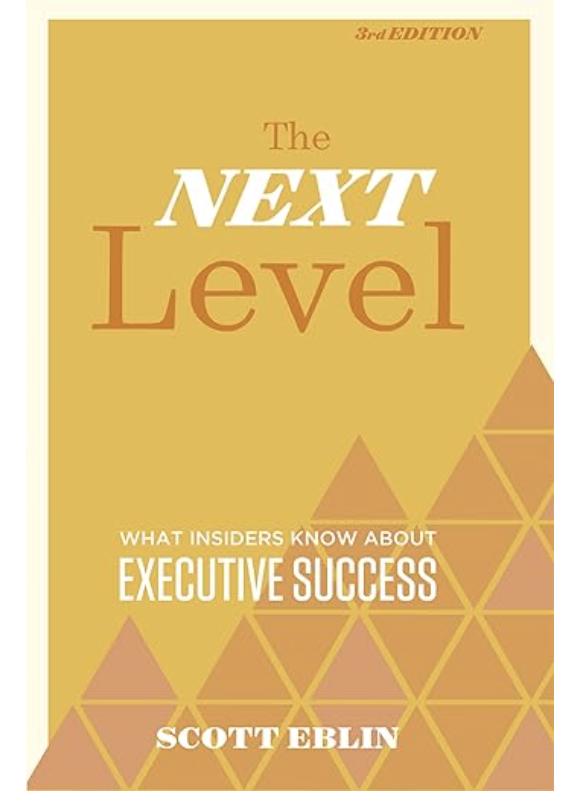
The Next Level by Scott Eblin
This one hits close to home.
Eblin’s research-backed framework names exactly what we need to pick up and what we need to let go of as we move into more senior roles. If we’ve ever felt like we were doing everything right but still not advancing, this book explains why.
Practical, honest, and one of the clearest maps we’ve found for the mindset shifts that actually move the needle.
👉 Get the book here

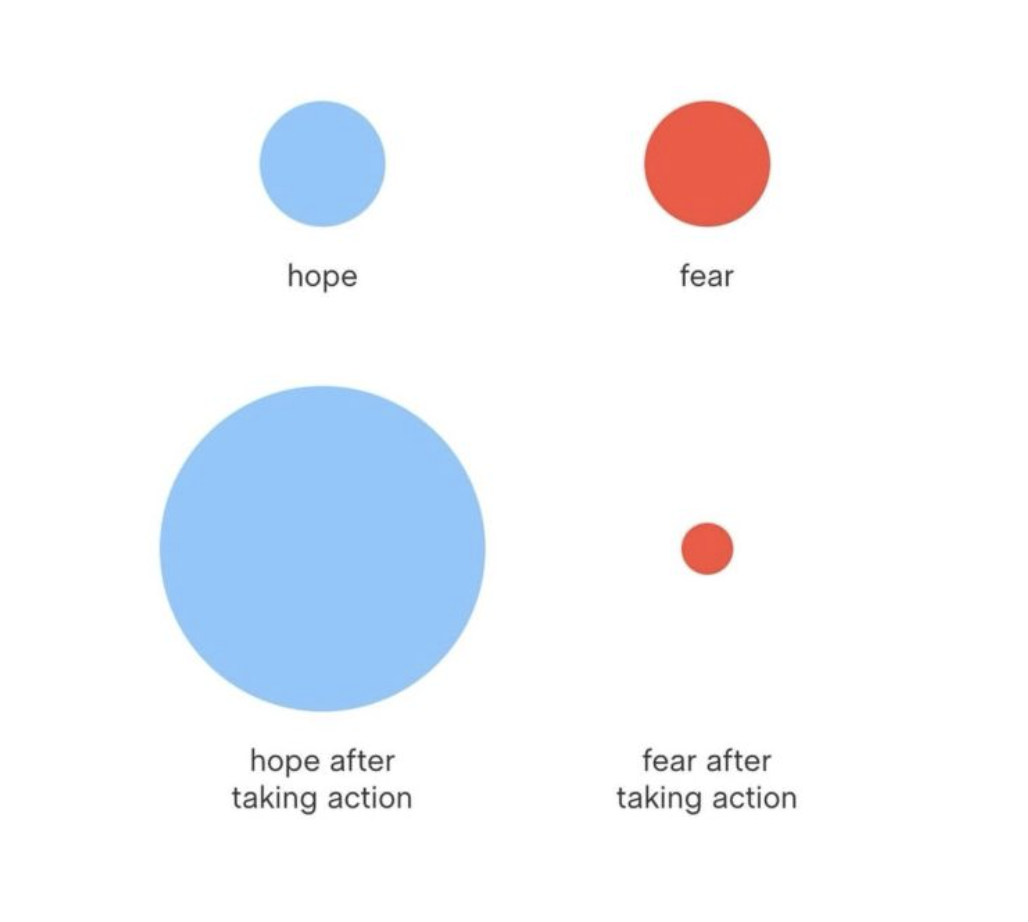
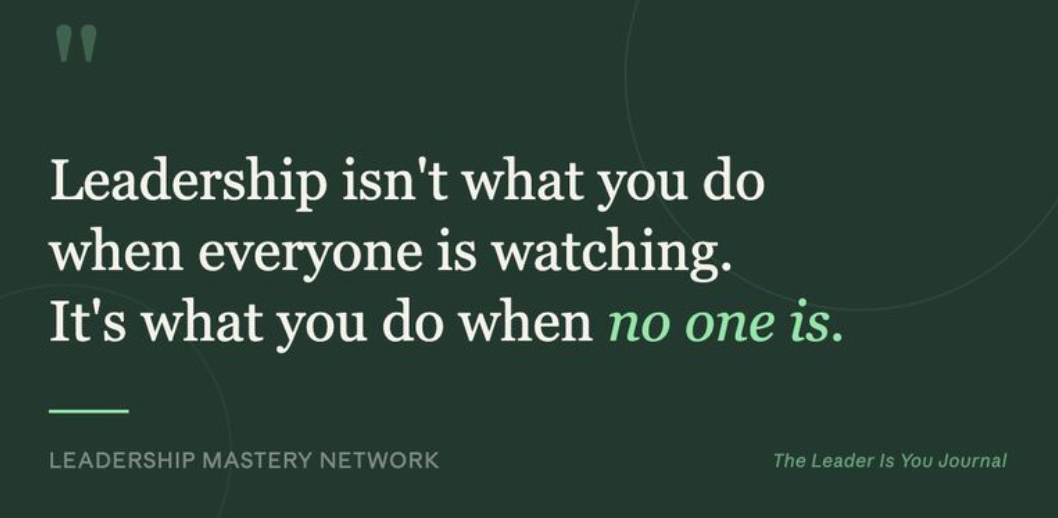
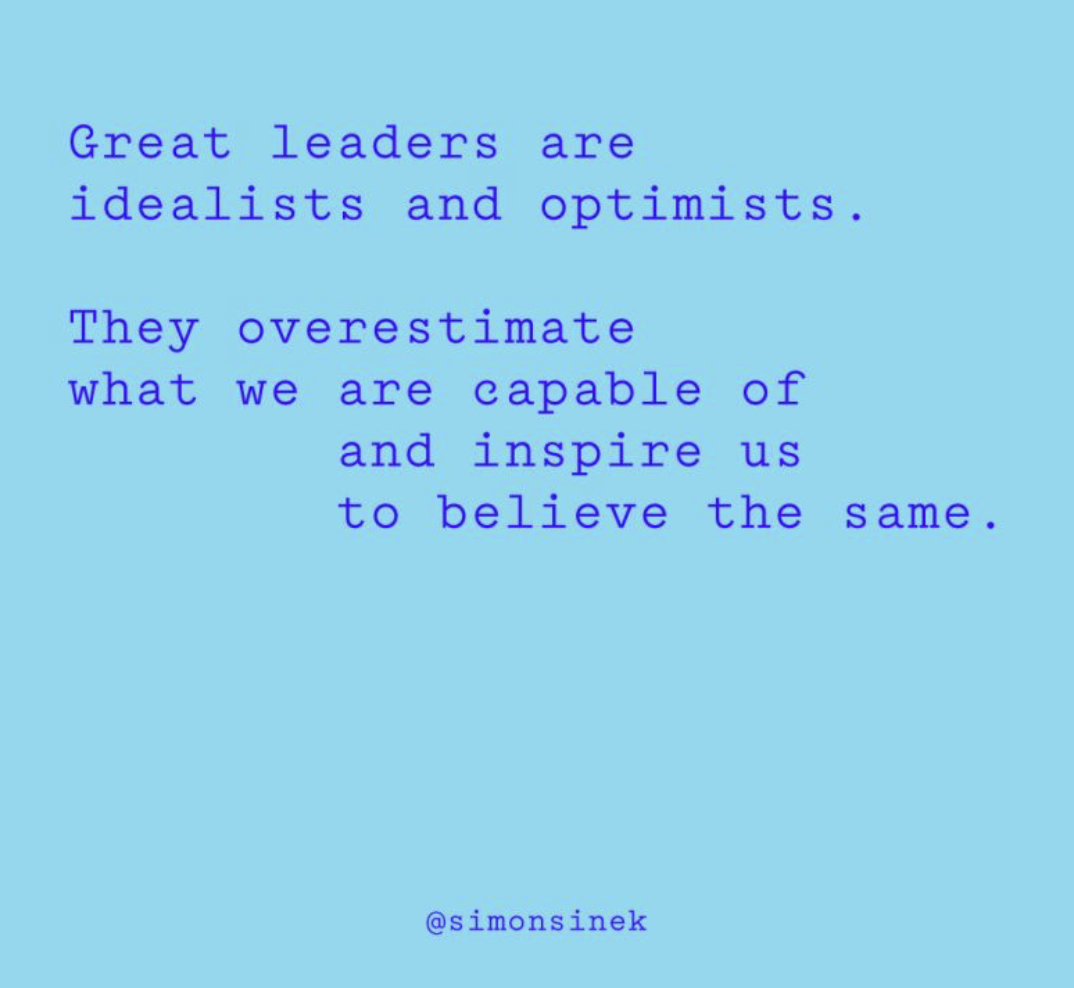
Consider how many different pieces of content you see in any given week. See something that resonates with you? Share it with us to feature it in our Social Media of the Week section.
“If you don’t design your own life plan, chances are you’ll fall into someone else’s plan. And guess what they have planned for you? Not much.”
— Jim Rohn