
The Power is in the Pitch
In a world full of great ideas going nowhere, the leaders who win are the ones who know how to sell what they believe in.
Every leader eventually hits this moment: the idea is solid, the timing is right, the work is done — and yet nothing moves. The budget doesn't get approved. The initiative stalls. The room doesn't quite land where you needed it to.
It rarely comes down to the quality of the idea. It comes down to the quality of the pitch.
We've long associated pitching with startups and shark tanks, with sales teams and creative agencies. But the most consequential pitches of your career will happen in a 30-minute one-on-one, a leadership team meeting, a board presentation, or a hallway conversation that lasts four minutes and shapes the next four months.
This week's issue is built around one conviction: pitching is a leadership function. It sits at the intersection of communication clarity, emotional intelligence, and influence. Whether you're proposing a technology solution, driving consensus around a new process, or championing your next big idea — your ability to make people want to say yes is one of the most critical skills in your leadership toolkit.
This Week's Focus
The Leadership Pitch: Why the Ability to Move Rooms Is a Core Executive Competency
Three truths most leaders haven't been told:
1. You are already pitching — the question is how well. Every project update, budget conversation, team proposal, and change management effort is a pitch. The difference between leaders who gain traction and those who stall is rarely the merit of their ideas. It is the effectiveness of their framing.
2. Pitching is an EQ skill, not just a communication skill. The most effective pitches don't just inform — they connect. They demonstrate that you understand the concerns in the room, that you've thought about what your audience needs to feel confident, and that you're meeting people where they are emotionally. That is emotional intelligence doing the heavy lifting.
3. Influence without authority demands the ability to pitch. This is the daily reality for most mid-level leaders and high performers: you need buy-in from people who don't report to you. Your ability to build a compelling case — to make someone want to say yes — is how you build influence that isn't dependent on title or hierarchy.
“The most powerful person in the world is the storyteller. The storyteller sets the vision, values, and agenda of an entire generation that is to come.”— Steve Jobs
Here is what I’ve observed coaching leaders at every level and across every industry: those who pitch well move faster, build stronger coalitions, and create more meaningful change. Not because they are louder or more polished — but because they have learned to translate excellent thinking into language that moves people.
This is not about manipulation. It is about clarity, connection, and the courage to advocate fully for what you believe in.
Apply This Week
5 Actions to Start Developing Your Leadership Pitch Right Now
01 Lead with the “so what,” not the “what”: Most leaders open with context — background, data, the problem statement. Flip it. Begin with the outcome you’re advocating for and why it matters. Attention is sharpest in the first 60 seconds of any conversation. Use that window to land your point first, then build the supporting case underneath it.
02 Know your audience before you open your mouth: Before any high-stakes conversation, answer three questions: What does this person care most about? What objections are they likely to raise? What would make them feel confident saying yes? The same idea needs different language for your CFO, your team, and your board. Pitching is not one-size-fits-all — and pretending it is will cost you the room.
03 Practice the one-sentence version: If you cannot describe your proposal or recommendation in a single clear sentence, you are not yet ready to pitch it. Clarity of expression is a downstream product of clarity of thought. Develop your one-sentence pitch and test it with someone who doesn’t already agree with you. Their questions will sharpen your thinking.
04 Invite the objection — don’t avoid it: Strong pitchers don’t sidestep resistance — they surface it. “Here’s where I know this gets complicated…” or “The question I expect you’ll have is…” signals both confidence and thorough preparation. When you name the friction first, you control the narrative and build trust simultaneously.
05 Debrief every pitch, win or lose: After your next important presentation, proposal, or persuasion moment, take 10 minutes for honest reflection: What landed? What didn’t? Where did I lose the room? Where did I gain it? Leaders who develop fastest treat every pitch as data, not just an outcome.
“Leadership is the art of getting someone else to do something you want done because he wants to do it.”— Dwight D. Eisenhower
Consider how many pitches you make in any given week. Every conversation where you’re asking for something — a yes, a new direction, a shift in thinking — is an opportunity to practice. See something that resonates? Share it with us to feature it in our community.
“If you can’t explain it simply, you don’t understand it well enough.”

Resources to Dive Deeper
To Sell Is Human — Daniel Pink: Reframes selling and persuasion as fundamentally human activities — and makes the compelling case that every leader is, at their core, in the business of moving people.
Talk Like TED — Carmine Gallo: A breakdown of the communication principles behind the world’s most powerful presentations, with practical tools any leader can use to pitch with greater clarity and conviction.
Never Split the Difference — Chris Voss : Former FBI hostage negotiator Chris Voss reveals the psychology of high-stakes persuasion — essential for leaders navigating complex negotiations and conversations where buy-in is on the line.
WorkLife with Adam Grant: Organizational psychologist Adam Grant explores the science of motivation, influence, and what truly moves people — outstanding for leaders who want to understand the psychology behind why pitches succeed or fail.
How to Give a Killer Presentation — Harvard Business Review: A landmark piece by TED’s Chris Anderson on what separates a truly persuasive presentation from one that merely informs — required reading before your next high-stakes pitch.
The Art of Persuasion Hasn’t Changed in 2,000 Years — Harvard Business Review: Traces Aristotle’s three pillars of persuasion — ethos, pathos, logos — through the lens of modern leadership, making the timeless case that influence is built, not inherited.
Speeko — Public Speaking Coach App: A structured public speaking coaching app designed for busy professionals who want to develop clarity, confidence, and persuasion through short, daily practice sessions.

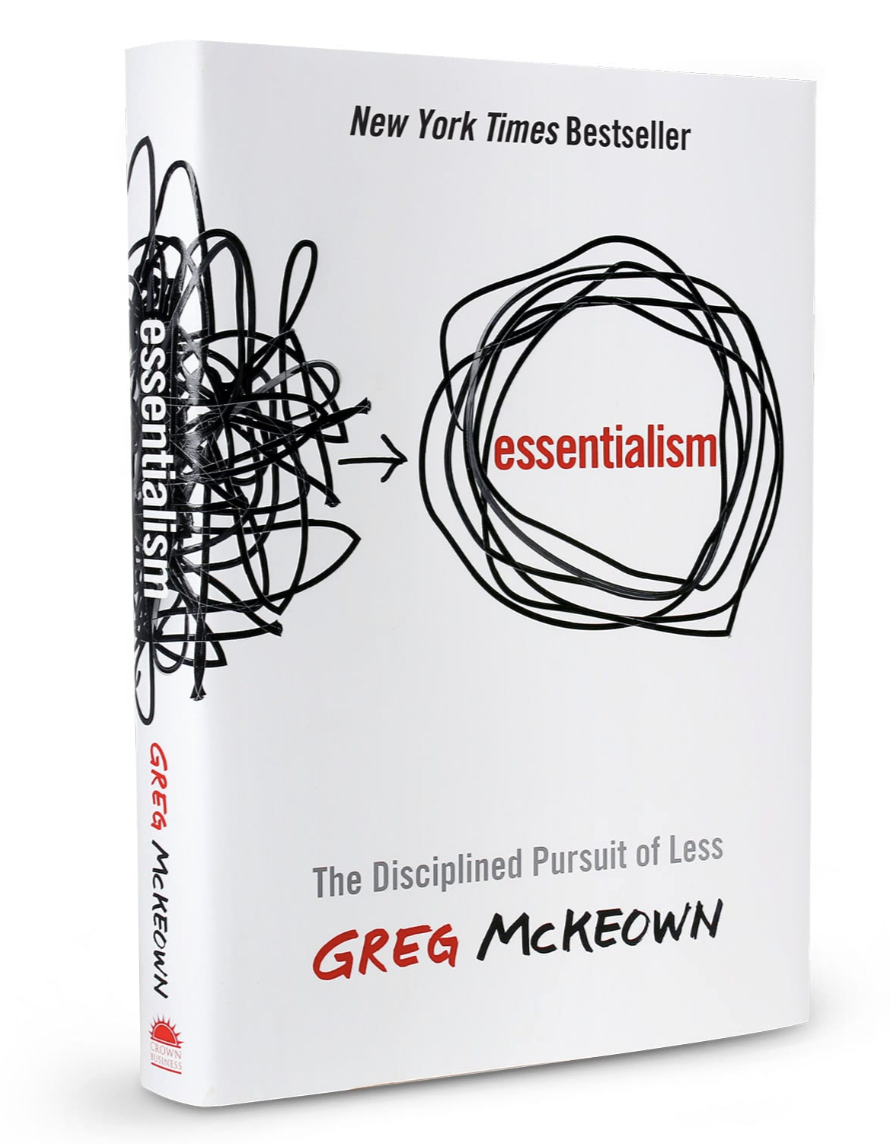
Essentialism by Greg McKeown
Why it matters: For leaders in entertainment and strategy, the “disciplined pursuit of less” is a superpower.
Whether you’re managing your first direct report or an entire division, this book teaches you how to filter through the noise to focus on your highest point of contribution.

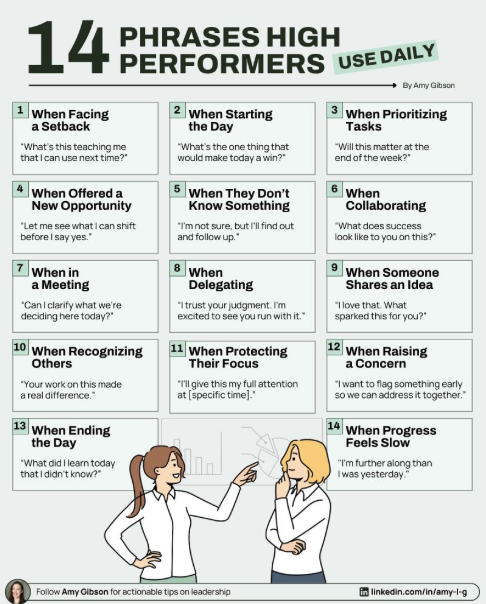
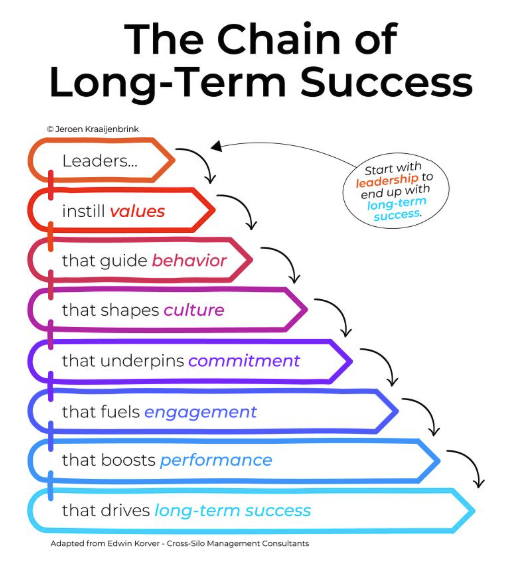
Consider how many different pieces of content you see in any given week. See something that resonates with you? Share it with us to feature it in our Social Media of the Week section.


"In times of change, the learners inherit the earth, while the learned find themselves beautifully equipped to deal with a world that no longer exists."
— Eric Hoffer