
The leader's guide to giving feedback that actually lands
Feedback is not about finding fault. It is about believing someone is capable of more and caring enough to say so.
Most leaders know they should give more feedback.
They also know they are not doing it.
Not because they do not care. Not because they lack the words. But because something gets in the way between the intention and the conversation. The timing never feels right. The relationship feels too important to risk. There will be a better moment next week.
Next week becomes next month. The thing that needed to be said never gets said. And the person who needed to hear it never gets the chance to grow from it.
We see this pattern at every level. The newer leader avoids feedback because they do not yet know how. The seasoned leader avoids it because the relationships have gotten comfortable, and the discomfort has gotten harder to justify. Both are costing the people they lead more than they realize.
Here is the reframe that changes everything.
Feedback is not criticism. Done well, it is one of the most generous things a leader can offer. It says: I see you. I believe you are capable of more. And I care enough about your growth to tell you the truth.
Withholding that is not kindness. It leaves people operating without the information they need to grow. And it quietly communicates something they will eventually feel, even if you never say it: I do not think you can handle the truth.
Whether you are learning how to give feedback for the first time or reminding yourself of what you have quietly stopped doing, this one is for you.
Why it is hard and why it matters
Feedback conversations feel risky because they are. They involve honesty, which means vulnerability. They involve the relationship, which means something real is at stake.
And so we calculate. The short-term discomfort of the conversation usually wins over the long-term cost of silence.
But the research is consistent. People do not leave managers who give honest feedback. They leave the ones who never tell them the truth. Who let problems build until a performance review makes it official. Who made people feel like they never really knew where they stood.
The relationship is not protected by avoiding the conversation. It is slowly eroded by it.
The foundations
Great feedback has three things present at the same time.
It is specific. Tied to observable behavior, not character. Not that you are disorganized, but the last three reports came in without an executive summary, and it is slowing the team down. One is about who someone is. The other is about what they did. People can change what they do.
It is timely. Feedback that arrives weeks after the moment has lost most of its usefulness. Say it close to when it happened.
It is grounded in genuine care. The person on the other side needs to feel that you are saying this because you want them to succeed. That feeling is not created by saying the right words. It is created by how you have shown up for this person over time.
Practical tips to apply right now
Start with the intention, not the technique. Before you think about how to say the hard thing, get clear on why. The most powerful foundation is not that I need to manage this situation. It is: I believe this person is capable of more, and I want to help them get there. That intention shapes everything.
Try this: Before your next feedback conversation, write one sentence answering: what do I want for this person as a result of this conversation? Not what do I” Not what do I want from them. For them. The distinction matters.Lead with behavior, not character. Complete this sentence before you walk into the room: when you did this specific thing, it had this specific impact. If you cannot finish it with something concrete, you are not ready to give the feedback yet.
Try this: Say it out loud before the conversation. If it sounds like a judgment about who someone is rather than what they did, rewrite it.Separate the observation from the interpretation. What you saw and what you concluded from it are two different things. When feedback becomes a story rather than an observation, people stop listening and start defending themselves against it.
Try this: Lead with the observation, then ask a genuine question before offering your interpretation. When I noticed this, I found myself wondering about it. What was happening for you? You might learn something that changes everything.Make it a conversation, not a delivery. The most effective feedback givers are not the best at delivering a message. They are the best at creating a conversation. Ask genuine questions. Actually listen. Stay open to what comes back.
Try this: Build at least two real questions into your next feedback conversation and pause for the answers. What is your read on how that landed? What would you do differently? The conversation will go further than any prepared message.Stop waiting for the perfect moment. There is no perfect moment. There is always a reason to wait. And every reason comes at a cost to the person who needed the feedback and did not get it.
Try this: If there is a feedback conversation you have been delaying, schedule it this week. Not because the timing is right. Because the cost of waiting is already higher than the discomfort of having it.Close with clarity. What specific change did you both agree on? When will you check in? Without a clear close, a good conversation can dissolve into ambiguity, and nothing actually shifts.
Try this: End every feedback conversation with one clear sentence capturing what was agreed and when you will revisit it. Name it out loud. Write it down if it helps.Give positive feedback with the same specificity. Vague praise is appreciated but not particularly useful. Specific recognition tells someone exactly what they did, why it mattered, and what it says about their capability. That is the kind of feedback people remember.
Try this: Before the end of this week, name one thing one person did well and tell them specifically what it was, why it mattered, and what it says about them. Notice what changes.
For the seasoned leader: the honest reminders
You already know most of what is above. But knowing and doing are different things.
A few questions worth sitting with:
When did you last give someone feedback that was genuinely hard to hear? Not the softened version. The real thing.
Is there someone on your team right now who needs to hear something they have not heard yet?
Have your feedback conversations gotten more honest over time? Or more carefully managed?
The leaders who stay great over the long arc of a career keep doing the hard things even after the relationships make it tempting not to. Feedback is one of those things.
A closing thought.
The best leaders do not see feedback as a risk to manage. They see it as a gift to give. A gift that says: I see your potential. I believe in your ability to grow. And I respect you enough to be honest with you.
That is the kind of leader worth becoming. It starts with the next honest conversation you have the courage to have.
“Feedback is the breakfast of champions.”

Resources to Dive Deeper
Thanks for the Feedback — Douglas Stone and Sheila Heen: The most complete and research-backed exploration of why feedback is hard to give and even harder to receive, and what to do about both.
Radical Candor — Kim Scott: The most practical and human guide available for leaders who want to tell the truth without damaging the relationships that matter.
Nonviolent Communication — Marshall Rosenberg Rosenberg's: framework for separating observations from evaluations is one of the most powerful tools for leaders who want to give feedback that is honest without being damaging.
WorkLife with Adam Grant: Grant's research-backed conversations consistently surface the most useful and counterintuitive insights on feedback, criticism, and what actually helps people change.
FROM OUR DESK
Every feedback conversation starts with self-awareness. The Leader Is You: A Daily Growth Journal includes prompts to help you reflect on how you are showing up, where you are holding back, and what one honest conversation you could have today.
And if you are ready to work on this alongside other leaders who are doing the same work, the Leadership Mastermind waitlist is now open.
And if you are ready to explore these ideas alongside other leaders who are doing the same work, the Leadership Mastermind waitlist is now open. A space for honest conversation, genuine curiosity, and the kind of growth that only happens in a room of people who are all committed to getting better. → Join the waitlist

Something we are genuinely excited about.
Reset. Rise. Sail. — The Leader's Retreat 2026.
Seven nights. Open ocean. Twenty women who are done running on empty and ready to do something about it.
October 3 to 10 aboard Virgin Voyages Brilliant Lady, sailing the Mexican Riviera from Los Angeles. Three workshops. Morning movement. Real conversations. A small accountability circle that stays with you long after you disembark.
This is not a vacation with a leadership angle. It is structured, intentional, and designed to produce four things you leave with: self awareness, goal clarity, your people, and tools that actually work when life gets loud.
Doors open June 29. The first ten to join save 300 dollars and early bird pricing ends July 15. Spots are capped at 20 for a reason.
Learn more and join the waitlist here: leadershipmasterynetwork.com/retreat2026

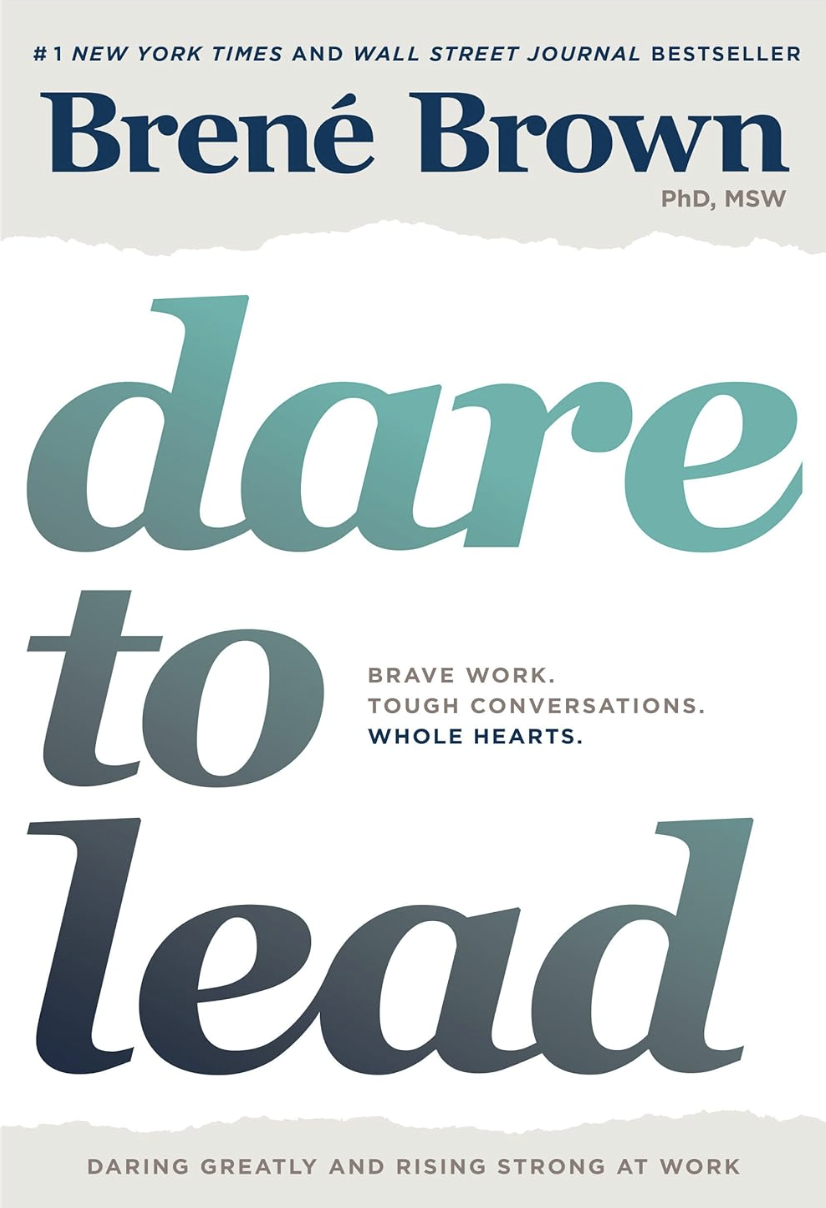
Dare to Lead by Brene Brown
This is the book that lives at the exact intersection of everything this edition is about.
Brown’s research on courage, vulnerability, and values-based leadership is not soft. It is rigorous and honest, and it asks more of leaders than most are initially comfortable with.
She gives language and framework for naming what is happening internally, for showing up honestly with a team, and for building the kind of trust that makes hard moments survivable rather than just endurable.
It will not let you off the hook. That is exactly why it works. If this edition resonated with you, this book is the next right step.

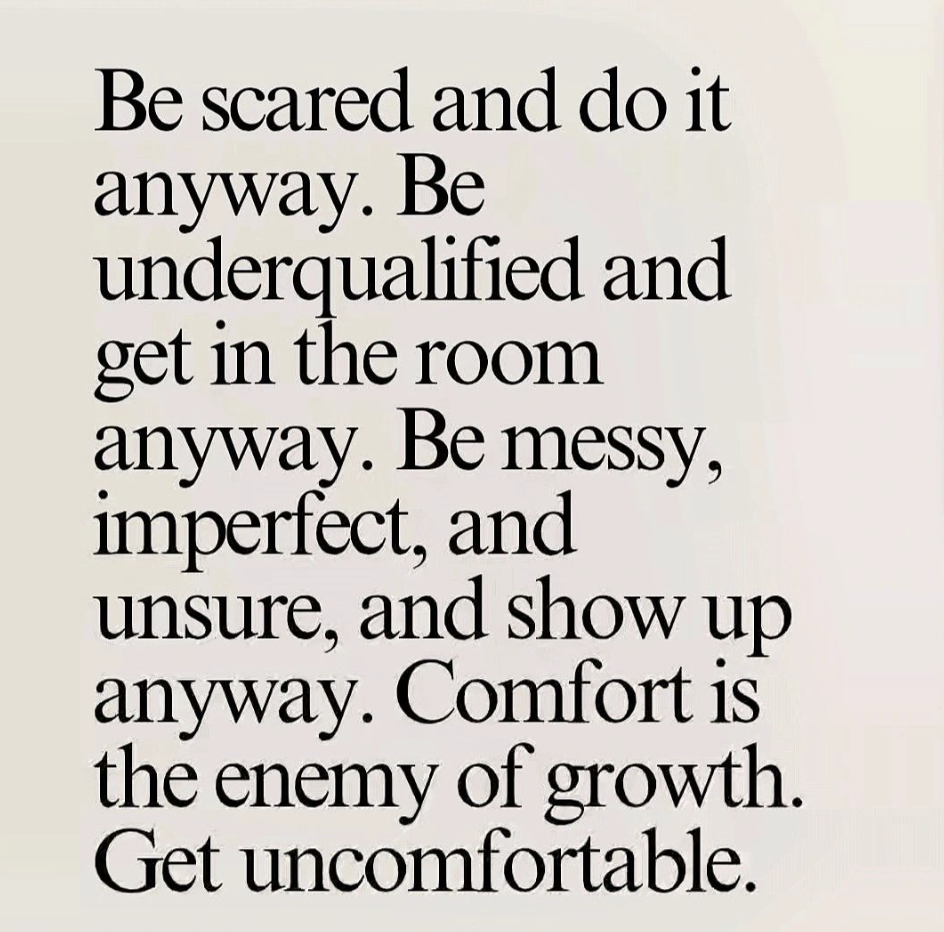
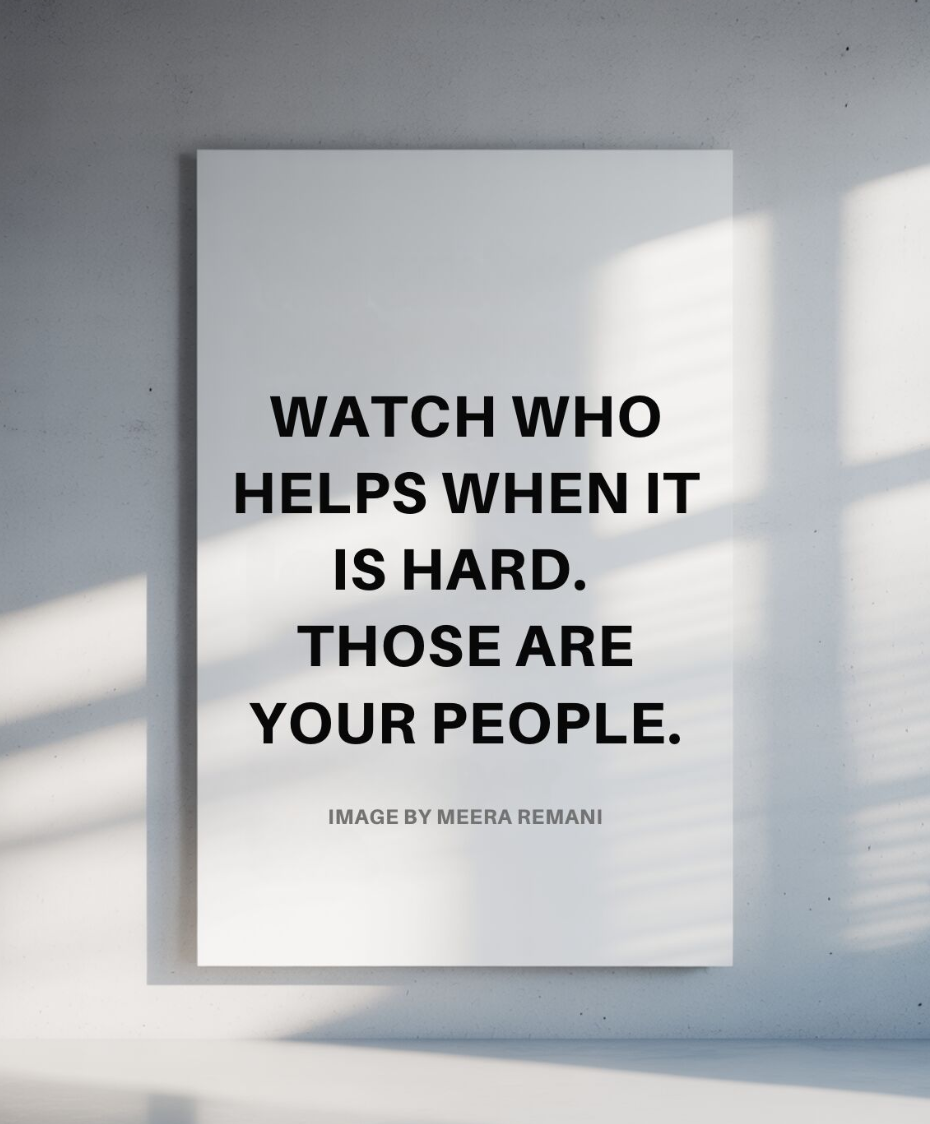
Consider how many different pieces of content you see in any given week. See something that resonates with you? Share it with us to feature it in our Social Media of the Week section.
"The single biggest problem in communication is the illusion that it has taken place."
George Bernard Shaw