
Serious times do not require serious leaders.
They require curious ones.
Serious times do not require serious leaders. They require curious ones.
At some point in most leadership journeys, something quietly disappears.
Not the ambition. Not the work ethic. Not the commitment to results or the desire to grow. Those usually stay.
What disappears is the willingness to not know. To explore without a destination. To ask a question that has no immediate return on investment. To try something purely because it is interesting and see where it goes.
We call it growing up. We call it becoming more strategic, more focused, more professional. We build calendars packed with outcomes and deliverables and leave no room for the kind of thinking that has no agenda.
And then we wonder why the ideas stop coming. Why the energy that used to make us magnetic as leaders has started to feel like performance. Why the team that once brought us their best thinking has quietly stopped taking creative risks.
What we lose when we stop playing is not just fun. It is one of the most important sources of leadership effectiveness available to us.
Curiosity is not a personality trait reserved for the naturally creative or the unusually optimistic. It is a practice. A decision made daily about how we approach the world, the people, and the problems in front of us. And play, the real kind, not the forced team-building kind, is one of the most powerful ways to access it.
This edition is about reclaiming both. Not as a leadership luxury for the times when things are going well. As a leadership necessity for the times when they are not.
Why play and curiosity matter more than ever right now
Think about the last time something genuinely surprised you in your work. Not a problem you did not anticipate, but a moment of genuine delight. An unexpected connection between two ideas. A conversation that opened something you had not thought to look for. A moment where you forgot to be strategic and just got interested.
When was the last time that happened?
For most leaders we work with, the honest answer is: not recently. And the longer the hard stretch, the more true that becomes. When things are difficult, we narrow. The brain under pressure focuses on threat and solution. It stops wandering. It stops wondering. It optimizes for survival and efficiency and, in doing so, cuts off the very kind of thinking that actually solves hard problems.
This is the paradox most leaders miss. The moment that most demands creative thinking, fresh perspective, and genuine openness is usually the moment they have least access to it. Because pressure and play are not natural companions. And most of us never built the habit of protecting one when the other gets loud.
But here is what we know. The leaders who consistently outperform in challenging environments are not the ones who buckle down the hardest. They are the ones who stay curious the longest. Who asks the question others are too certain to ask. Those who approach the stuck problem from a completely different angle, not because they are more talented, but because they never fully stopped exploring.
Play is how the brain finds those angles. Curiosity is what keeps the door open long enough to walk through it.
What play actually looks like for leaders
When we say play, we are not talking about ping pong tables or company retreats. We are talking about something much more fundamental and much more accessible.
Play is any engagement that is driven by interest rather than outcome. Any thinking, exploring, or creating that does not have a deliverable attached to it. Any conversation, experience, or experiment that you pursue because you are genuinely curious about where it goes.
For leaders, this can look like a hundred different things.
It can be picking up a book in a field completely outside your expertise just to see what it offers. It can be spending thirty minutes with a problem you have no responsibility for and asking what you would do. It can be sketching out an idea that has no business case yet. It can be a conversation with someone whose work has nothing to do with yours, and being genuinely interested rather than strategically networked.
It can be as simple as asking a question in a meeting you already know the answer to, just to see what the room comes up with. Or spending ten minutes at the end of the day writing down everything you noticed that surprised you. Or approaching a familiar task from a completely different direction for no reason other than to see what happens.
None of these are a waste of time. All of them are building something. The mental flexibility. The comfort with not knowing. The habit of staying open that becomes the leader’s most important asset when everything around them is uncertain.
What curiosity does for your team
The way a leader relates to not knowing sets the entire culture of how a team relates to it.
When leaders perform certainty they do not have, their teams stop bringing uncertainty to them. The questions get filtered. The risks get hidden. The honest conversation about what is actually happening gets replaced by a version the team thinks the leader wants to hear.
When leaders model genuine curiosity, something different happens. They ask questions that signal it is safe to not have the answer. They sit with complexity without rushing to resolution. They say I do not know and what do you think in the same breath and mean both of them.
Teams that work for curious leaders are more honest. More creative. More willing to surface the thing nobody wants to say because they have seen what happens when the leader hears it. The leader gets interested. They do not punish the messenger.
That culture is built one curious response at a time. And it starts with the leader deciding, in small daily moments, to be interested rather than certain.
Key actions leaders can take now
Schedule unstructured thinking time and protect it.
Not reading. Not planning. Not reviewing anything. Time with no agenda and no deliverable whose only purpose is to let your mind wander. This is where the connections get made that focused thinking misses. Put it on the calendar. Protect it the way you would protect a meeting with your most important stakeholder. Because in terms of what it produces for your leadership it is.
Try this: Block forty-five minutes this week with nothing on the agenda. Take a walk. Sit somewhere new. Let your mind go where it wants. Bring a notebook in case something surfaces. Do not force it. Just be available to it.Bring genuine curiosity into your next hard conversation.
The next time you walk into a conversation where you already know what you think, try arriving with a question instead of a position. Not a leading question that steers toward your conclusion. A real one. What are you seeing that I might be missing? What would you do if this were entirely your call? What do you think we are getting wrong?
Try this: Before your next one-on-one or team meeting, write down one question you are genuinely curious about, not one you already know the answer to. Ask it first. Then listen without steering. See what you learn.Learn something completely outside your field.
One of the most reliable ways to unlock fresh thinking in your own domain is to get genuinely interested in something that has nothing to do with it. Architecture. Cooking. Marine biology. Jazz. Stand-up comedy. The field does not matter. What matters is engaging with how people in a completely different world think, solve and create. The cross pollination is almost always more valuable than it looks.
Try this: Choose one thing you have always been vaguely curious about but never pursued. Spend thirty minutes with it this week. Read one article. Watch one video. Have one conversation with someone who knows more than you. Notice what it opens.Make I do not know a regular part of your leadership vocabulary.
The leaders who say I do not know create teams that tell the truth. The leaders who always have the answer create teams that tell them what they want to hear. Saying I do not know is not a concession of weakness. It is an invitation to collective intelligence. And in a world moving as fast as ours is right now, it is also simply the most honest thing most leaders can say.
Try this: The next time you are asked something you are genuinely uncertain about, resist the impulse to fill the space with a confident-sounding answer. Try: I do not know yet. What do you think? Then be genuinely interested in what comes back.Build play into how your team works together.
The culture of curiosity does not live only in the leader. It has to be built into how the team operates. How meetings are structured. Whether there is space for ideas that have not been proven yet. Whether questions are welcomed or managed. Whether experimentation is celebrated or quietly penalized when it does not land.
Try this: In your next team meeting, dedicate fifteen minutes to what-if thinking. No decisions, no commitments, no evaluation. Just the question: what if we tried it completely differently? Let the room go somewhere without immediately judging where it lands. Notice who comes alive. Notice what emerges.Return to something you used to do for pure enjoyment.
Before the career. Before the title. Before the strategic calendar. Most of us had things we did simply because we loved them. Something creative, physical, or exploratory that had no outcome attached to it. Whatever that was for you, it is almost certainly still in there. And returning to it, even imperfectly, even briefly, reconnects something in how you think and how you lead.
Try this: Name one thing you used to do just for the love of it that you have not done in a long time. Not as a productivity strategy. Not to become better at anything. Just because it was yours. Make time for it this week. Notice what it does to your energy.
The habits to build for the long game
Stay a student of something. Pick one subject each quarter and go deep on it out of pure interest. Not a leadership book. Not a business strategy. Something that makes you genuinely curious. The habit of sustained curiosity in one area builds the muscle for it everywhere.
Ask better questions every day. The quality of a leader’s questions tells you everything about the quality of their thinking. Practice asking one question per day that you do not already know the answer to. In a meeting. In a conversation. In your own journal. Just one. Consistently.
Protect your wonder. There is a version of leadership experience that calcifies into cynicism. Where you have seen enough to know how things usually go, and you stop being surprised by much. The leaders who stay great over the long arc of a career are the ones who never fully let go of the capacity to be genuinely surprised and genuinely delighted by something. That is worth protecting. Actively.
Spend time with people who think differently than you do. Not to challenge them. To learn from them. The most interesting thinking almost always happens at the edges where different ways of seeing the world bump up against each other. Build a network that includes people who are nothing like you. Then get curious about how they see things.
A closing thought
There is a reason children learn faster than anyone else on the planet. They have not yet learned to be embarrassed by not knowing. They approach almost everything with a genuine question and an openness to being surprised. They try things that might not work, and when they do not work, they try something else without making it mean something about who they are.
Somewhere along the way, most of us learned to trade that in for the appearance of competence. For looking like we have it figured out. For the kind of confidence that is really just a very sophisticated way of protecting ourselves from the discomfort of not knowing.
The leaders we remember, the ones who built something lasting and led people through genuinely hard things, were the ones who never fully made that trade. Who stayed curious past the point where it was convenient. Who kept playing long after the world told them to be serious.
That is available to all of us. Right now. In whatever is hard, uncertain, or stuck.
Stay curious. Stay open. And trust that the leader who keeps asking questions will almost always find better answers than the one who stopped.
“Play is the highest form of research.”

Resources to Dive Deeper
Play by Stuart Brown: Brown’s research on the science of play is one of the most compelling cases available for why adults, and especially leaders, need to protect time for exploration and joy. The connection he draws between play and creativity, resilience, and performance is impossible to dismiss.
A More Beautiful Question by Warren Berger: Berger’s exploration of how the world’s most innovative companies and leaders use powerful questions to unlock breakthrough thinking. A practical and energizing read for any leader who wants to build a culture of curiosity from the top down.
Big Magic by Elizabeth Gilbert: Gilbert’s invitation to engage with creativity and curiosity without fear is one of the most accessible and genuinely freeing reads for leaders who have let the pursuit of results crowd out the joy of exploration.
Hidden Brain with Shankar Vedantam: Vedantam’s exploration of the unconscious forces that shape human behavior is a masterclass in staying curious about why people do what they do. Endlessly relevant for leaders trying to understand themselves and the people they lead.
How I Built This with Guy Raz: The stories behind the world’s most interesting companies are almost always stories of curiosity, play, and the willingness to follow an idea somewhere unexpected. Essential listening for any leader who wants to stay inspired.
FROM OUR DESK
The Leader Is You: A Daily Growth Journal includes prompts specifically designed to reconnect leaders with the kind of open, exploratory thinking this edition is about. Not just what you accomplished today but what surprised you. What you are curious about. What you want to understand better. It is a daily practice of staying open, one question at a time.
And if you are ready to explore these ideas alongside other leaders who are doing the same work, the Leadership Mastermind waitlist is now open. A space for honest conversation, genuine curiosity, and the kind of growth that only happens in a room of people who are all committed to getting better. → Join the waitlist

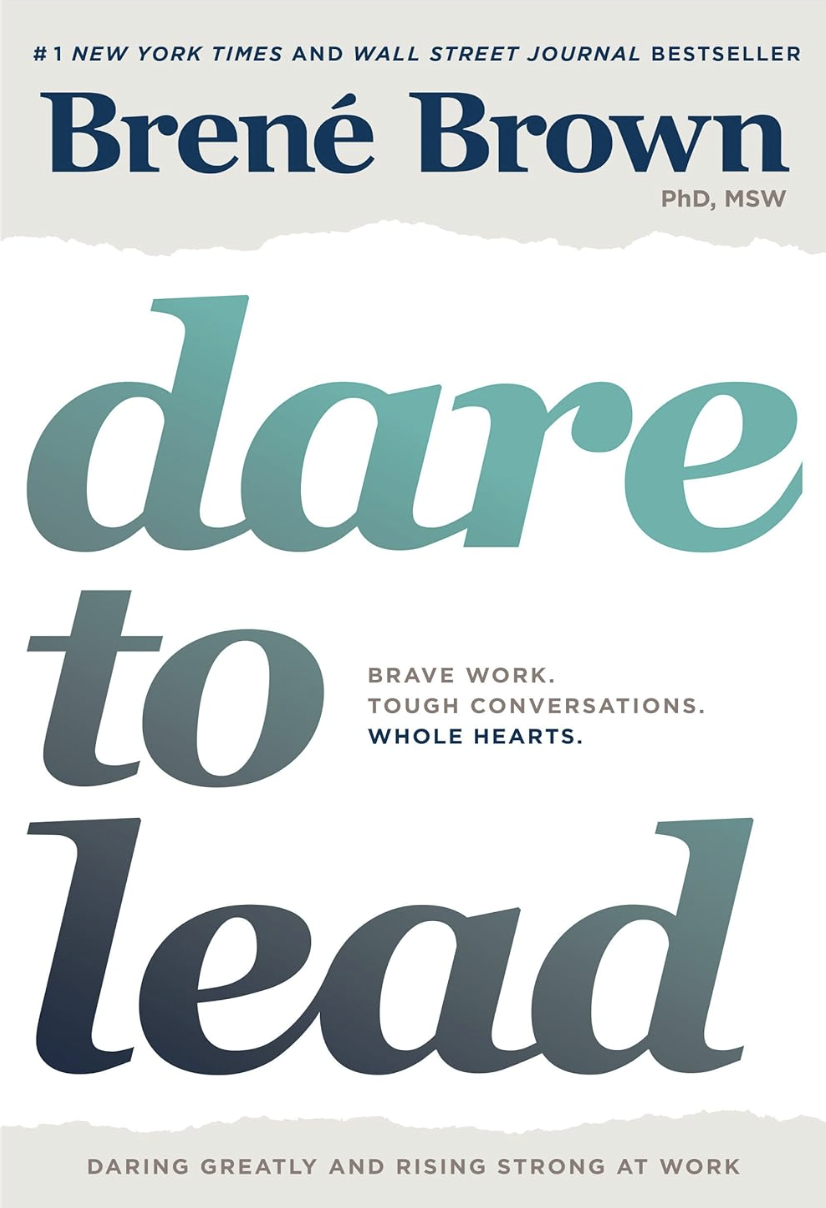
Dare to Lead by Brene Brown
This is the book that lives at the exact intersection of everything this edition is about.
Brown’s research on courage, vulnerability, and values-based leadership is not soft. It is rigorous and honest, and it asks more of leaders than most are initially comfortable with.
She gives language and framework for naming what is happening internally, for showing up honestly with a team, and for building the kind of trust that makes hard moments survivable rather than just endurable.
It will not let you off the hook. That is exactly why it works. If this edition resonated with you, this book is the next right step.

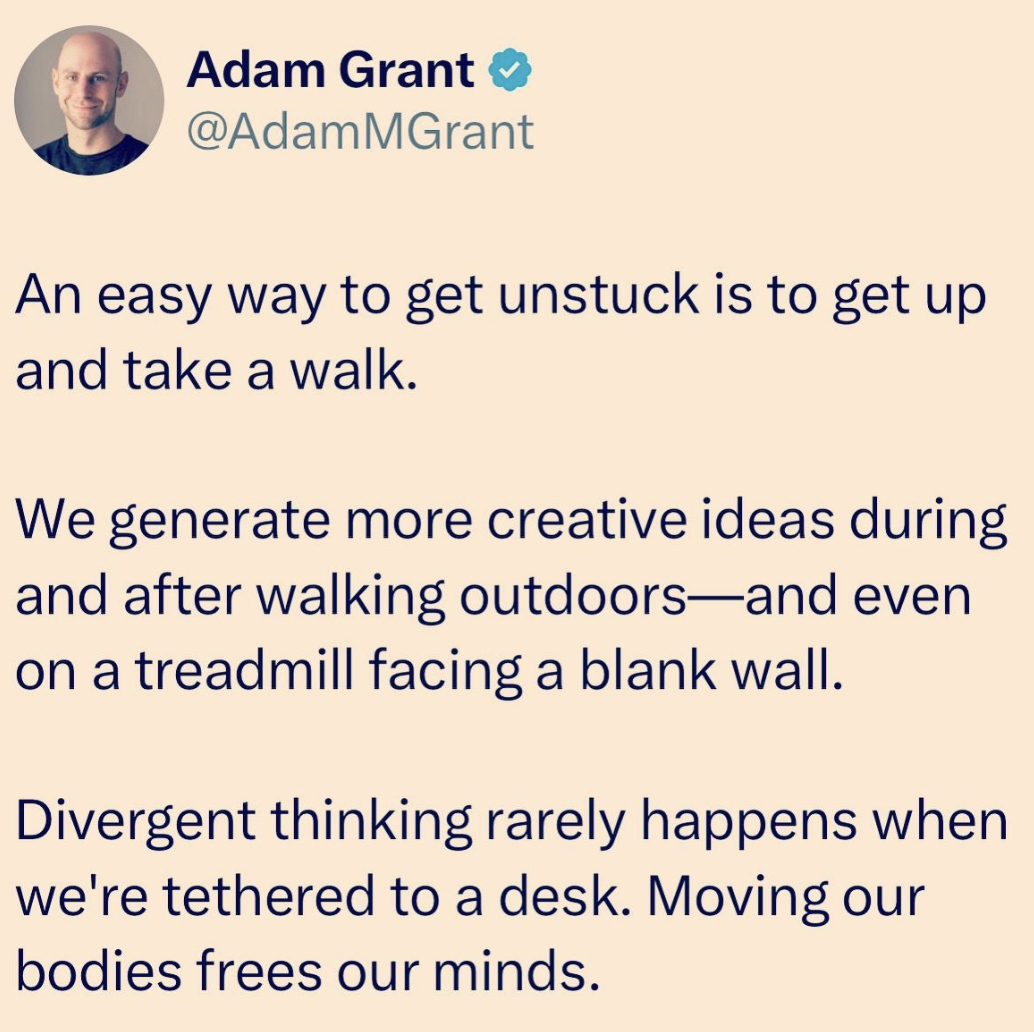
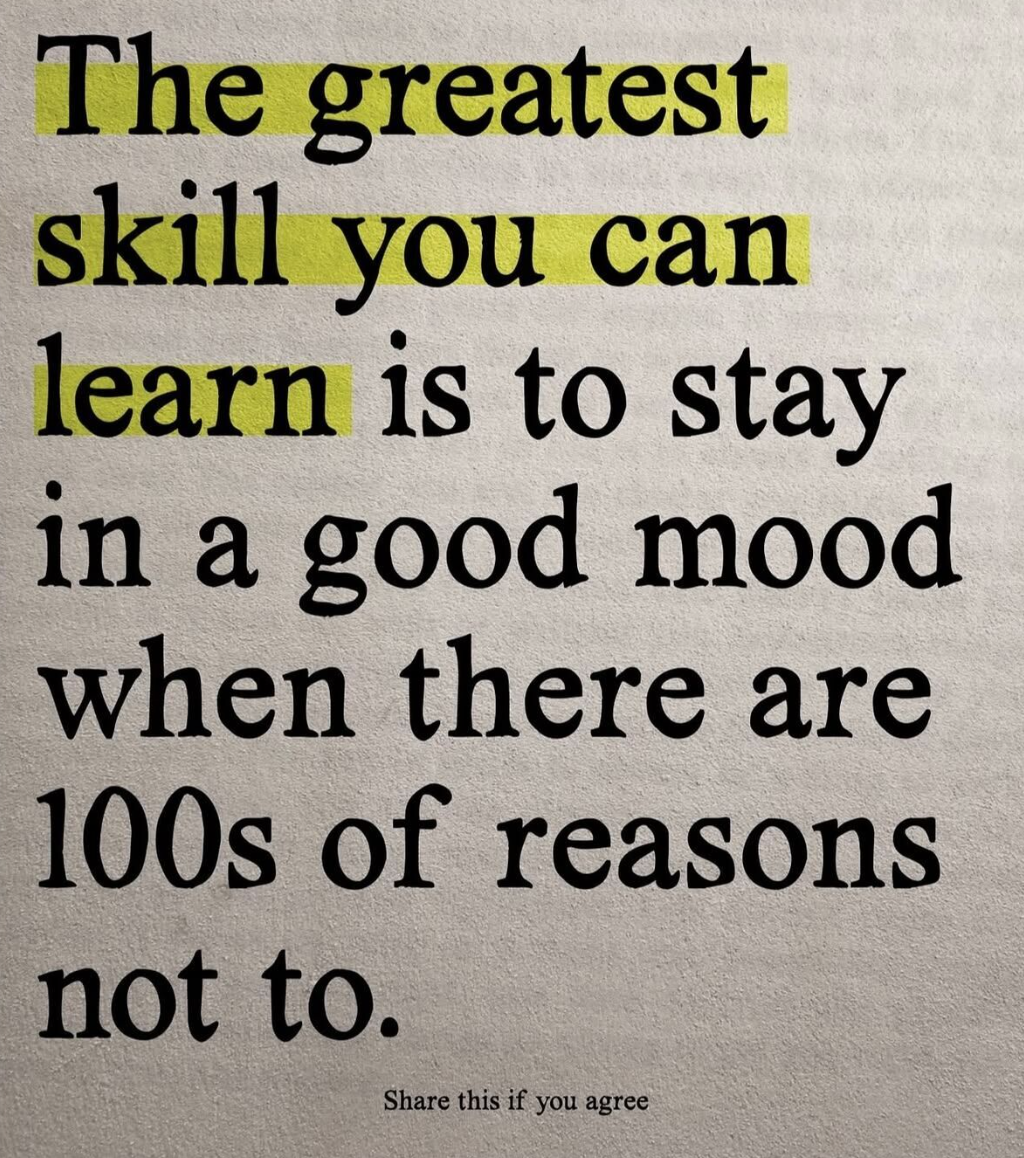
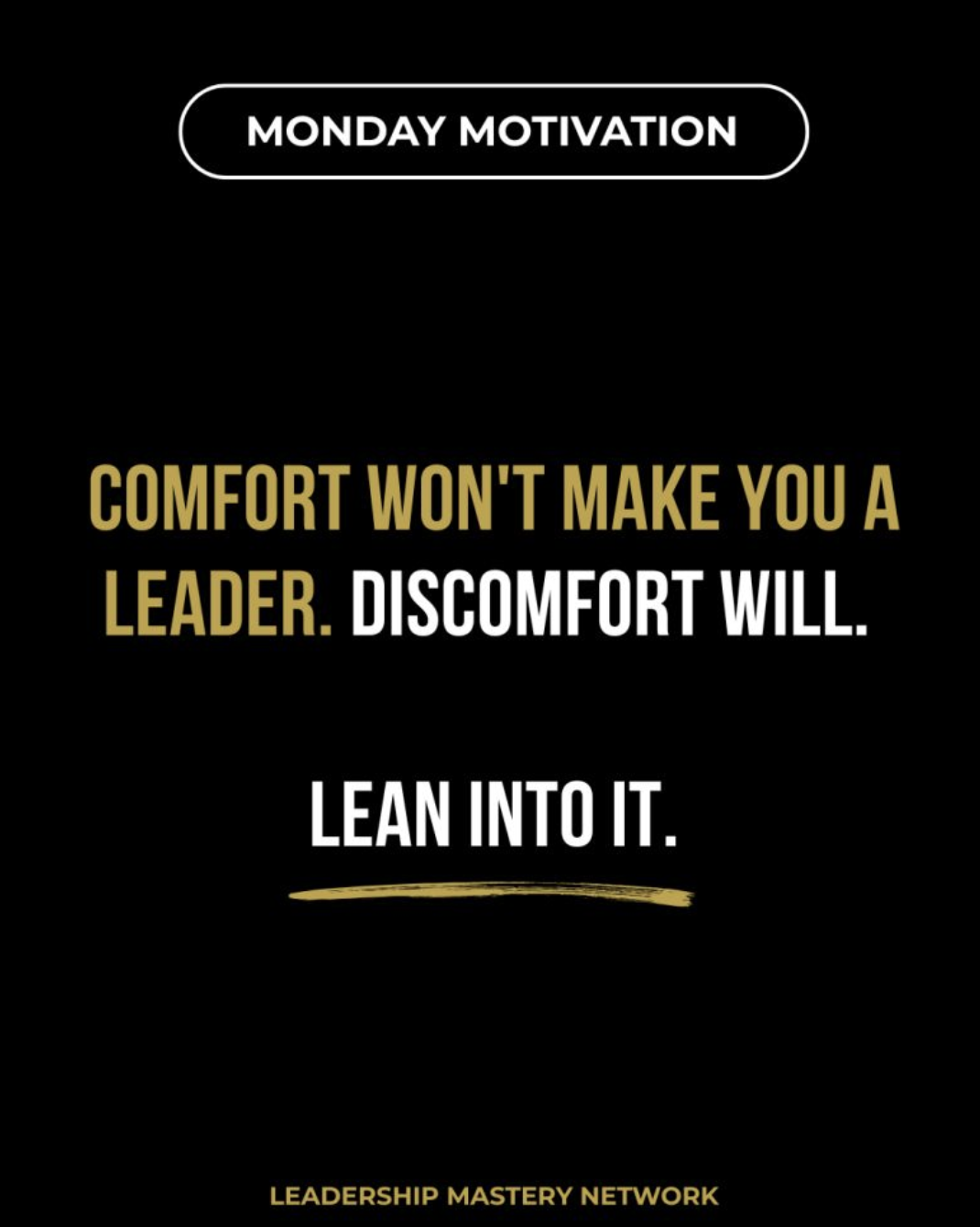
Consider how many different pieces of content you see in any given week. See something that resonates with you? Share it with us to feature it in our Social Media of the Week section.
“The important thing is not to stop questioning. Curiosity has its own reason for existing.”
Albert Einstein