
The leaders who build the strongest teams know when to get out of the way
One of the hardest shifts a leader can make is to stop rescuing and start developing.
We are wired to step in. To fix. To protect outcomes and keep things moving. It is instinctive, and in many ways, it is what made us good at what we do. We got promoted because we solved problems, delivered results, and could be counted on when things got hard.
But here is the uncomfortable truth: the same instinct that made us high performers can quietly undermine the people we are now responsible for growing.
When we step in too fast, we solve the problem in front of us. But we also send an unspoken message to the person standing next to us: I don’t trust you to figure this out. And over time, that message does something to people. It shrinks them. It teaches them to wait. It turns capable, motivated professionals into people who look up every time something gets hard, not because they can’t handle it, but because they’ve learned that someone else will.
Growth rarely happens in perfection. It happens in the stretches, the missteps, and the moments when someone has to figure it out. That is where capability is built. That is where confidence comes from. And that is where the kind of ownership that transforms teams is forged.
This edition is for every leader who has ever felt the pull to jump in and fix it, and wondered what it might look like to stay in the room a little longer instead.
Because the most powerful thing we can do for our people is not to solve their problems. It is to trust them enough to let them solve their own.
WHY LEADERS STRUGGLE TO LET PEOPLE FAIL
This is not a capability issue. It is a focus issue.
We operate under constant demand, pressure, and noise. Meetings. Deadlines. Metrics. Stakeholder expectations. Competing priorities. The relentless pressure to deliver results now. And so when something looks like it might go sideways, we step in. We correct. We take over. Because in the moment, it feels faster, safer, and necessary.
The task gets done. The problem gets solved.
But the long-term cost is high. Dependency increases. Confidence decreases. Ownership fades. And slowly, without meaning to, the leader becomes the bottleneck. The person through whom everything flows, and nothing moves without.
We do not become the bottleneck because we are bad leaders. We become the bottleneck because we are caring, capable ones who never made the shift from performing to developing.
Try this: Think about the last time you stepped in to fix something your team was struggling with. Ask yourself honestly — was that moment about the outcome, or was it about your discomfort with watching someone struggle? There is no wrong answer. Just an honest one.
SHIFTING FROM PERFORMANCE TO DEVELOPMENT
Start by thinking differently.
Stop asking, "How do we get this done?"
Start asking: Who is this person becoming in the process?
That single question changes everything. It moves us from control to cultivation. From short-term wins to long-term capability. From being the leader who has all the answers to being the leader who builds people who do not need us to have them.
Try this: In your next one-on-one, resist the urge to problem-solve. Instead, ask one question and listen. What do you think the right move is here? See what happens when you create the space before you fill it.
WHAT IT LOOKS LIKE IN ACTION
The missed deadline:
Instead of jumping in, finishing the work, and delivering it yourself, try: Walk me through your approach. Where did things break down? Now you are building awareness, not just solving a problem. The deadline still matters, but so does what this person learns from missing it.
Try this: The next time a deadline slips, have the debrief before you have the solution conversation. Awareness first. Action second.The imperfect presentation:
Instead of rewriting the slides the night before, try: "This is a strong start." What message do you want the audience to walk away with? Now you are strengthening thinking, not just polishing output. The presentation gets better, and so does the person who made it.
Try this: The next time you are tempted to edit someone’s work, ask one question instead. Watch how often they get there on their own.The struggling team member:
Instead of avoiding the discomfort or taking over the task, try: I see this is challenging. What support do you need to move forward? Now you are building confidence, not creating reliance. You are telling them: I see you, I trust you, and I am here — without doing it for them.
Try this: Name one person on your team who has been struggling lately. Have you been stepping in or stepping alongside? What would change if you tried the latter?
HOW TO LEAD THIS WAY EVEN IN THE NOISE
Pause before you step in.
Ask yourself: is this a moment to fix or a moment to develop? That one question creates the space for better leadership. It does not have to slow things down. It just has to happen before you act.Normalize learning through failure.
Ask what we learned instead of why this happened. One builds culture. The other builds defensiveness. Great leaders are curious, not punitive, and their teams know the difference.Set guardrails, not control.
Be clear on expectations, outcomes, and boundaries. People do not need constant direction. They need clarity, autonomy, and trust. When they have all three, they rise. When they only have the first, they wait.Coach, do not correct.
Use questions more than answers. What options do you see? What would you do differently next time? What support would help you succeed? This builds critical thinking and ownership in a way no amount of direction ever will.Redefine what success looks like for you as a leader.
Your success is not measured by how often you step in. It is measured by how often your team steps up without you. That is the shift. That is the standard. And it is a much harder and much more meaningful bar to hold ourselves to.
A final reflection.
Where might you be over-involved? Where are you solving problems your team is ready to solve? What could shift if you allowed more space for them to rise?
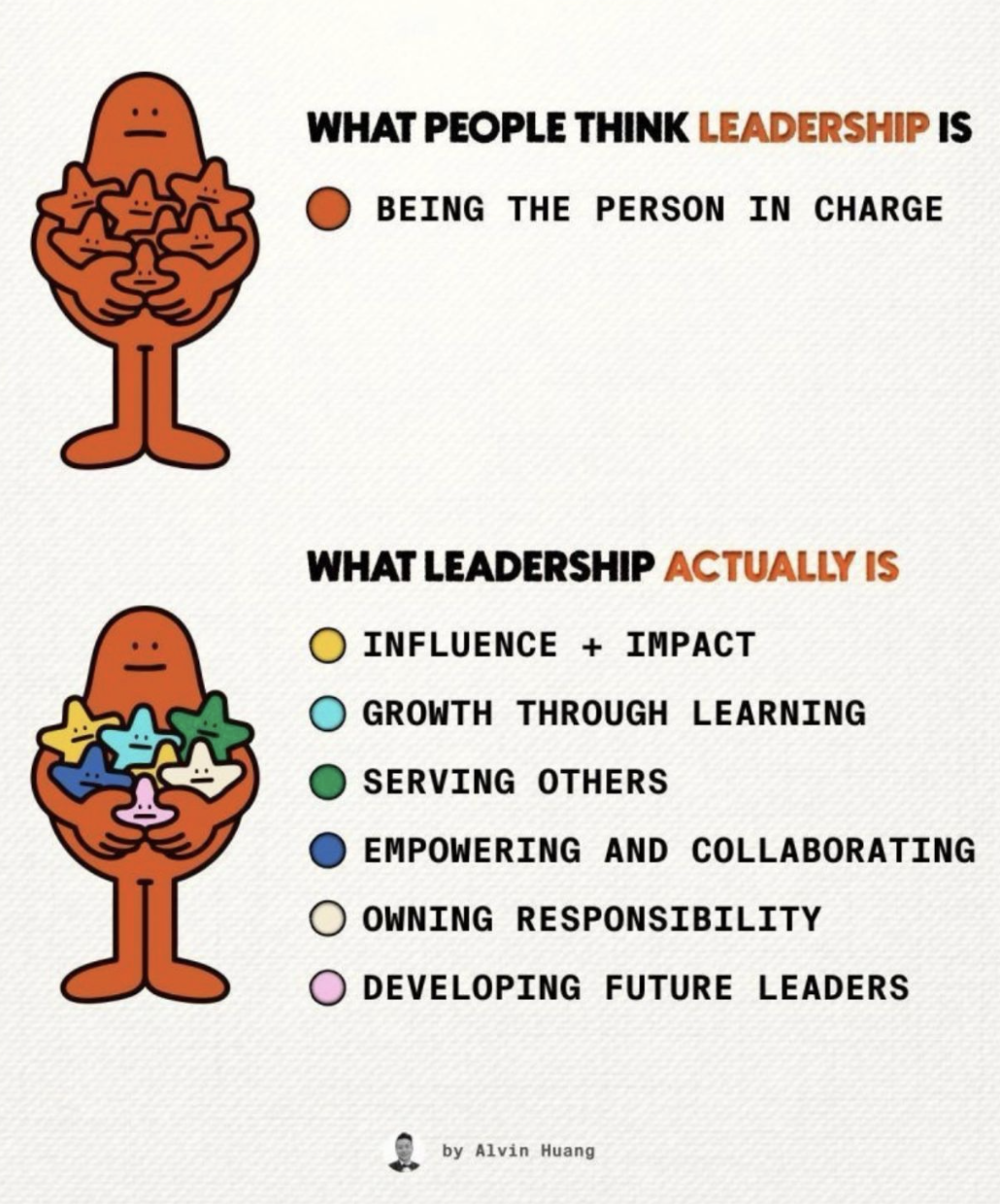
Leadership is not about always having the answers or stepping in at the first sign of difficulty. It is about creating space for others to stretch beyond their comfort zone, grow with confidence, and know they are trusted and supported. That is where real impact lives. And that is the kind of leader worth becoming.
If your team never fails, they are probably not growing. And if they are not growing, we are leading for today, not for what is possible.
“Before you are a leader, success is all about growing yourself. When you become a leader, success is all about growing others.”

Resources to Dive Deeper
Multipliers by Liz Wiseman: Wiseman’s research on how the best leaders amplify the intelligence and capability of those around them — versus those who, often unintentionally, diminish it. Essential reading for any leader ready to stop being the smartest person in the room.
The Trillion Dollar Coach by Schmidt, Rosenberg and Eagle: Bill Campbell’s approach to developing people through trust, challenge, and radical belief in their potential is a masterclass in exactly what this edition is about.
The Dare to Lead Podcast by Brené Brown: Brown’s conversations on courage, vulnerability, and what it means to lead people well are consistently one of the most honest and human explorations of leadership available.
WorkLife with Adam Grant: Grant digs into the psychology of how people think, grow, and perform at work — with practical insights that land directly in the space between developing people and driving results.
The GROW Coaching Model: One of the most widely used coaching frameworks in the world. A simple four-step structure — Goal, Reality, Options, Will — that any leader can use to turn a correction into a development conversation.
FROM OUR DESK
The best leaders reflect before they react. The Leader Is You: A Daily Growth Journal gives you a space to do exactly that to slow down, ask the hard questions, and show up more intentionally every day. Whether you are working through a shift like the one in this edition or simply trying to lead with more clarity and purpose, this journal travels with you and meets you where you are.

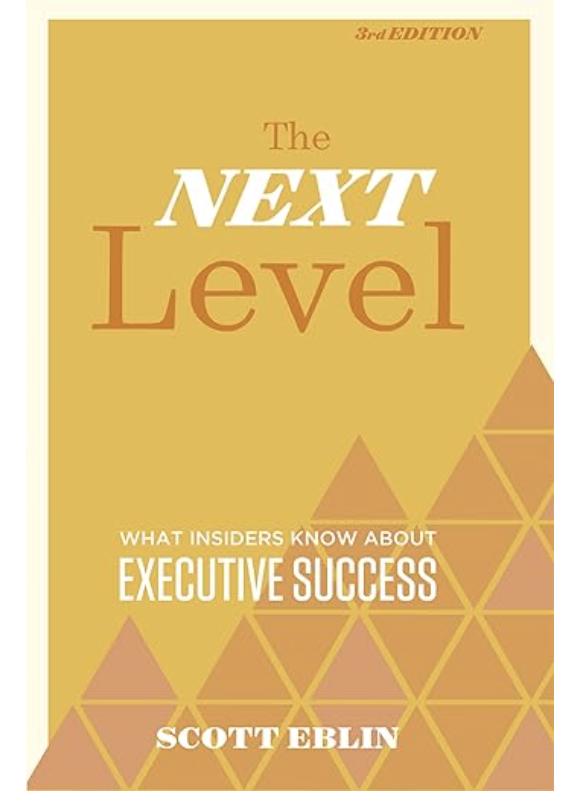
The Next Level by Scott Eblin
This one hits close to home.
Eblin’s research-backed framework names exactly what we need to pick up and what we need to let go of as we move into more senior roles. If we’ve ever felt like we were doing everything right but still not advancing, this book explains why.
Practical, honest, and one of the clearest maps we’ve found for the mindset shifts that actually move the needle.
👉 Get the book here

Consider how many different pieces of content you see in any given week. See something that resonates with you? Share it with us to feature it in our Social Media of the Week section.
“A good coach can change a game. A great coach can change a life.”
— John Wooden