
Great leadership is not the absence of struggle. It is what you do with it.
On most leadership sites, you will see the highlight reel. The wins. The promotions. The milestones. The carefully framed lessons from challenges that have already been resolved and packaged into something inspiring.
What you rarely see is the middle of it.
The moment before the lesson. When the project is behind, and the team is fractured, and the confidence you projected in that morning meeting feels borrowed. When the doubt is loud, and the answers are not coming, and the weight of being the person everyone else looks to feels heavier than anyone around you knows.
That is the part we are talking about today.
Not because struggle is the point. But because the leaders who navigate hard things well are not the ones who feel it less. They are the ones who have learned what to do with it. How to hold it honestly without letting it run the show. How to keep showing up for their teams while still taking care of what is happening inside.
That is what this edition is about. The inner work and the outer work. Both at the same time. Because in our experience, they are never really separate.
What leaders actually carry during hard times
Stress gets talked about the most and understood the least.
It is not a weakness. It is information. It is the signal that something you care about is under pressure. The leaders who pretend it is not there are not stronger. They are just less honest with themselves. And that lack of honesty has a cost, always.
What we see most in leaders navigating genuinely hard moments tends to show up in three layers.
The first is the practical pressure. The deadline. The budget. The stakeholder conversation that keeps getting harder. That part is visible, and it demands a response. Most leaders are reasonably equipped to handle it. It is the layers underneath where things get complicated.
The second is self-doubt. It arrives quietly and almost always at the worst possible time. Not when things are coasting, but when the stakes are highest. It sounds like: Am I actually the right person for this? Can I trust my own instincts right now? What if the people counting on me can see what I am trying not to show?
The third is anxiety. Which is different from stress and different from doubt. Stress is about what is happening now. Anxiety is about what might happen next. It is the meeting you have not had yet that you are already dreading. The conversation you have rehearsed seventeen ways, and none of them feel right. The milestone that is two weeks out and already keeping you up at night.
And underneath all of it, for most leaders, is something even harder to name. The fear of being found out. That this is the moment where the gap between how you are perceived and who you actually are becomes visible to everyone.
This is not a character flaw. This is the human experience of leading through hard things. And it deserves to be named, not managed away.
The inner work: leading yourself first
Here is what we know. Leaders who skip the inner work do not become more effective under pressure. They become more reactive. More inconsistent. The unprocessed stress finds its way into the team whether the leader intends it or not. People feel it even when they cannot name it.
So the inner work is not a luxury. It is the foundation.
Name what is actually happening.
Not the sanitized version. The real one. If you are afraid, name the specific fear. If you are doubting yourself, name exactly what you are doubting. Vague discomfort is much harder to work with than a named thing. When you can say this is specifically what I am worried about, you can start to examine whether that worry is grounded in something real or whether it is the stress talking.
Try this: At the end of each day this week, take five minutes and answer one honest question in writing. What am I actually feeling about how this is going right now? Not what you think you should feel. What you actually feel. Name it without fixing it. That practice alone will shift something.Get clear on what you can and cannot control.
One of the most destabilizing things about hard moments is the feeling that everything is uncertain. But even in the hardest project or the most fractured team dynamic, there are things within your reach and things outside of it. Getting clear on that distinction does not resolve the uncertainty. It stops you from spending energy on the part you cannot change.
Try this: When you feel most overwhelmed, write two lists. Everything you are worried about that you can actually influence. And everything you cannot. Then commit your attention entirely to the first list. Let the second one be what it is.Build your regulation practice before you need it.
This is the one most leaders skip. They wait until they are in the hard stretch to try to figure out how to manage themselves through it. But regulation is a skill, and like every skill, it needs consistent practice to be available under pressure.
It does not have to be complicated. A walk before a hard meeting. A breathing practice that takes three minutes and genuinely resets something. A morning routine that belongs to you before the day belongs to everyone else. Whatever works for you, the point is to build it now, when things are manageable, so it is there when they are not.
Try this: Choose one practice this week and do it every day. Not because seven days will transform you. Because it will tell you whether the practice actually works for you. Start small. Start now.Protect the time to think.
The first thing to disappear when pressure rises is unstructured thinking time. The calendar fills. Reactive demands crowd everything else out. And without space to think clearly, leaders start making decisions from a place of depletion rather than clarity. That is when the avoidable mistakes happen.
Try this: Block thirty minutes tomorrow with no agenda. Use it to ask yourself three questions. What is actually happening right now? What matters most? What one conversation or decision would shift the most this week? Then protect that block like it matters. Because it does.Build your personal board of directors.
Every leader needs a small, trusted group of people who know them well enough to tell them the truth. Not your team. Not your direct manager. People who are in your corner unconditionally and will show up for you in three very specific ways.
They will let you vent without judgment when you need to get something out of your head and out loud before you can think clearly again. They will help you find solutions when you have been too close to the problem for too long to see the options in front of you. And they will remind you of your capabilities when the doubt gets loudest, and you have temporarily forgotten what you are actually made of.
This is not a luxury. It is a leadership infrastructure. The most effective leaders we work with do not navigate hard things alone. They have people. A coach. A mentor. A trusted peer in a different industry. A friend who has led through hard things themselves and will not let you spiral or give up.
If you do not have this yet, building it is one of the most important things you can do for your leadership right now. Not when things get hard. Before they do.
Try this: Write down three names. People who know you well enough to be honest with you, who believe in your capabilities, and who you could call when things get hard. If you cannot name three, that is your starting point. One conversation this week with someone you trust. Tell them what you are building and ask if they would be part of it. Most people are honored to be asked. And you will wonder how you led without it.
The outer work: showing up for your team
The inner work makes everything else possible. But at some point, it has to show up in how you lead. And how you lead during hard times is one of the most defining things about you, both for your team and for yourself.
Be visible. Be honest.
When things get hard, many leaders go quiet. They manage up and protect the team from reality. The intention is good. The impact is not. Because teams are extraordinarily good at reading the room. They know when something is wrong. When you go quiet, they fill the silence with their own version of events. And their version is almost always worse than the truth.
Visible leadership during hard times does not mean sharing everything. It means showing up consistently, communicating honestly about what you know and what you do not, and naming the difficulty without dramatizing it. Your team does not need you to have all the answers. They need to know you are still in the room with them.
Try this: In your next team meeting, open with one honest sentence about where things are. Not a spin. Not a rally. Just the truth, delivered calmly and clearly. Notice what changes when you name what everyone already knows.Model what it looks like to hold uncertainty.
One of the most powerful things a leader can do in a hard stretch is demonstrate through their own behavior that it is possible to sit with not knowing and still make good decisions. Still treat people well. Still stay focused on what matters.
This is not about performing calm you do not feel. It is about developing genuine steadiness. Which is exactly why the inner work comes first. You cannot model regulation you have not built. But when you have done the work, your presence becomes one of the most stabilizing things your team has access to.
Try this: Pay attention this week to how you physically show up in difficult conversations. Your pace. Your posture. Whether you are leaning in or pulling back. The body communicates before the words do. Settle the body first.Give your team language for what is happening.
Hard times are disorienting partly because people often cannot name what they are experiencing. As a leader, one of the most useful things you can do is give them words for it. Not labels that minimize what they are feeling. Framing that helps them make sense of it. We are in a hard stretch. This is the part that feels impossible right before things start to shift. What you are feeling right now is a normal response to an abnormal amount of pressure.
Language creates a little distance between the experience and the person having it. That distance is where perspective lives. And perspective is what allows people to keep going when everything in them wants to stop.
Try this: In your next one-on-one with someone who is struggling, resist the urge to fix it. Try this instead: what would help you most right now, and what do you need from me? Then listen without jumping ahead. The answer will tell you everything.Hold the standard and extend the grace.
This is one of the hardest balancing acts in leadership. Drop expectations entirely, and you erode the team’s sense of what they are capable of. Hold them rigidly without acknowledging the difficulty, and you erode trust. The leaders who get this right hold both at the same time. They name the difficulty. They acknowledge what people are carrying. And they stay clear on what still matters and why.
Try this: Think about one person on your team who is struggling right now. Ask yourself honestly: is this a capability issue, a clarity issue, or a capacity issue? The answer completely changes the conversation. Capacity needs grace first. Clarity needs direction. Capability needs development. Lead from the right diagnosis.
The habits to build now while things are good
The best time to build the practices that carry you through hard times is before the hard times arrive.
A daily check-in with yourself. Three questions every morning before the day begins. What am I carrying into today? What matters most right now? What do I need to let go of? Five minutes. Consistent. It changes the quality of everything that follows.
A weekly reflection practice. Not a productivity review. A leadership review. How did I show up this week? Where was I at my best? Where did I fall short of the leader I want to be? One thing I want to do differently next week. Written down. Because writing creates accountability that thinking alone does not.
A thinking partner outside your organization. Someone who knows you well enough to tell you the truth. A coach, a mentor, a trusted peer in a different context. Someone you can call when the loud thoughts get loudest and who will not just reassure you but help you think more clearly. Not a luxury. A leadership necessity.
A physical practice you protect. Whatever moves your body and clears your head. The specific practice does not matter. Protecting it when pressure rises instead of abandoning it does. The moment you stop moving is usually the moment the thinking gets most distorted.
A grounding practice. Not positive thinking. A neurological reset. The stressed brain narrows its focus to threat. Deliberately naming what is working, what is still solid, and what you are genuinely grateful for does not solve the hard thing. But it restores the perspective that stress removes. And perspective is what makes good decisions possible.
A closing thought.
The leaders who build something that lasts, who earn the kind of trust that carries a team through genuinely hard things, are not the ones who never doubted themselves.
They are the ones who did the work to know themselves well enough that doubt did not get the final word.
The inner work and the outer work are the same work approached from two directions. When you lead yourself well, you lead others well. When you build the habits during the good times, you have them during the hard ones. When you show up honestly for your own experience, you create permission for everyone around you to do the same.
That is the kind of leadership worth building. And it starts today, in whatever is hard right now, and what you choose to do with it.
“You cannot lead others through something you have never been willing to face in yourself.”

Resources to Dive Deeper
Emotional Agility by Susan David: David’s research on navigating difficult thoughts and emotions without being derailed by them is one of the most practical and honest frameworks available for leaders who want to develop genuine internal steadiness.
The Gifts of Imperfection by Brene Brown: Brown’s most personal book and one of the most honest explorations of what it means to lead as a whole human being rather than a carefully managed version of one.
Mindset by Carol Dweck: The story we tell ourselves about struggle determines almost everything about how we move through it. Dweck’s foundational research on fixed versus growth mindsets is more relevant in the hard moments than in the easy ones.
Unlocking Us with Brene Brown: Brown’s conversations on courage, vulnerability, and what it means to show up fully are a natural companion to this edition. Her episodes on leading through uncertainty and the anatomy of trust are especially worth your time.
On Being with Krista Tippett: Long-form conversations about what it means to be human. Consistently one of the most grounding and perspective-restoring listens available, especially when the weight of leading feels heaviest.
Reflectly: A guided journaling tool built around emotional intelligence and honest reflection. A practical daily practice for leaders who want to build the habit of self-awareness without the blank page resistance of traditional journaling.
FROM OUR DESK
Hard times have a way of showing us who we really are as leaders. The Leader Is You: A Daily Growth Journal was built for exactly these moments. Not to make the hard things easier. To give you a space to face them with more clarity and intention than you would have otherwise. One honest day at a time.
And if you are ready to do this work alongside other leaders navigating the same terrain, the Leadership Mastermind waitlist is now open. Honest conversation. Real accountability. A room of leaders serious about what comes next. → Join the waitlist

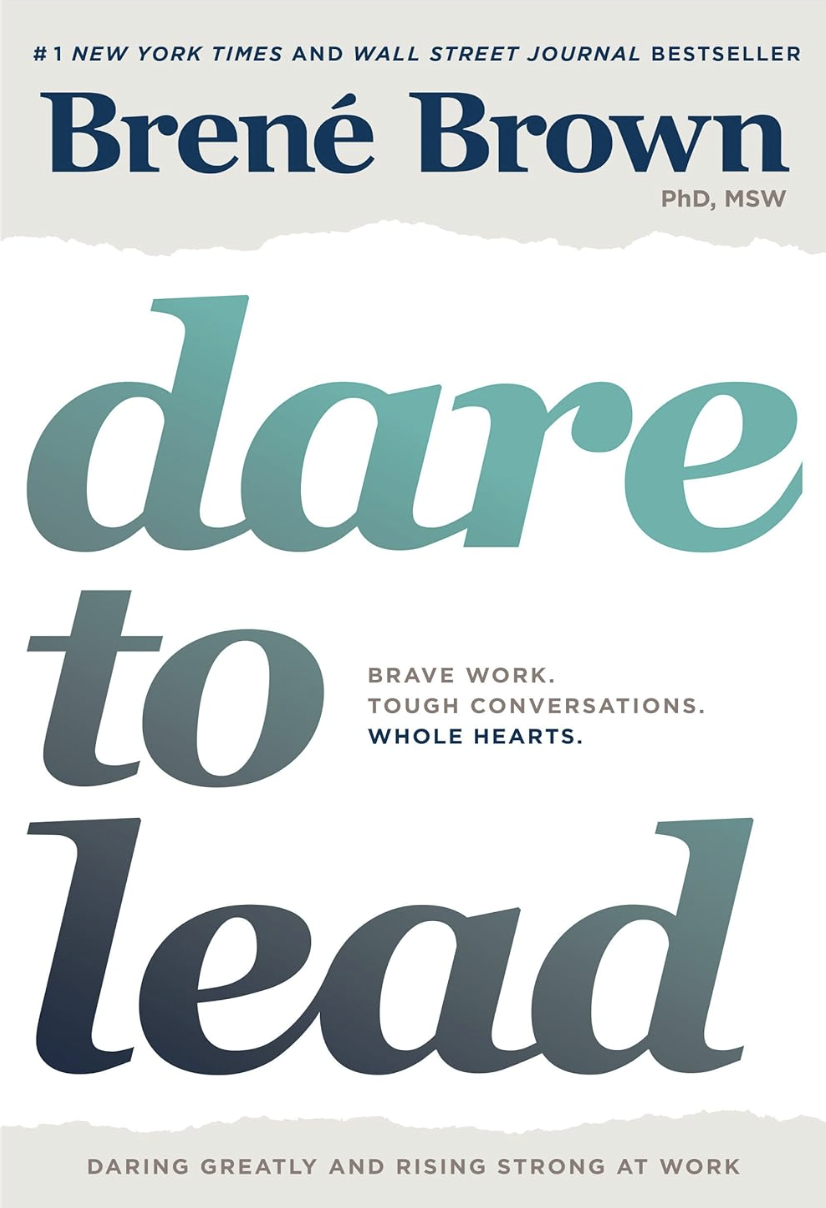
Dare to Lead by Brene Brown
This is the book that lives at the exact intersection of everything this edition is about.
Brown’s research on courage, vulnerability, and values-based leadership is not soft. It is rigorous and honest, and it asks more of leaders than most are initially comfortable with.
She gives language and framework for naming what is happening internally, for showing up honestly with a team, and for building the kind of trust that makes hard moments survivable rather than just endurable.
It will not let you off the hook. That is exactly why it works. If this edition resonated with you, this book is the next right step.

Consider how many different pieces of content you see in any given week. See something that resonates with you? Share it with us to feature it in our Social Media of the Week section.
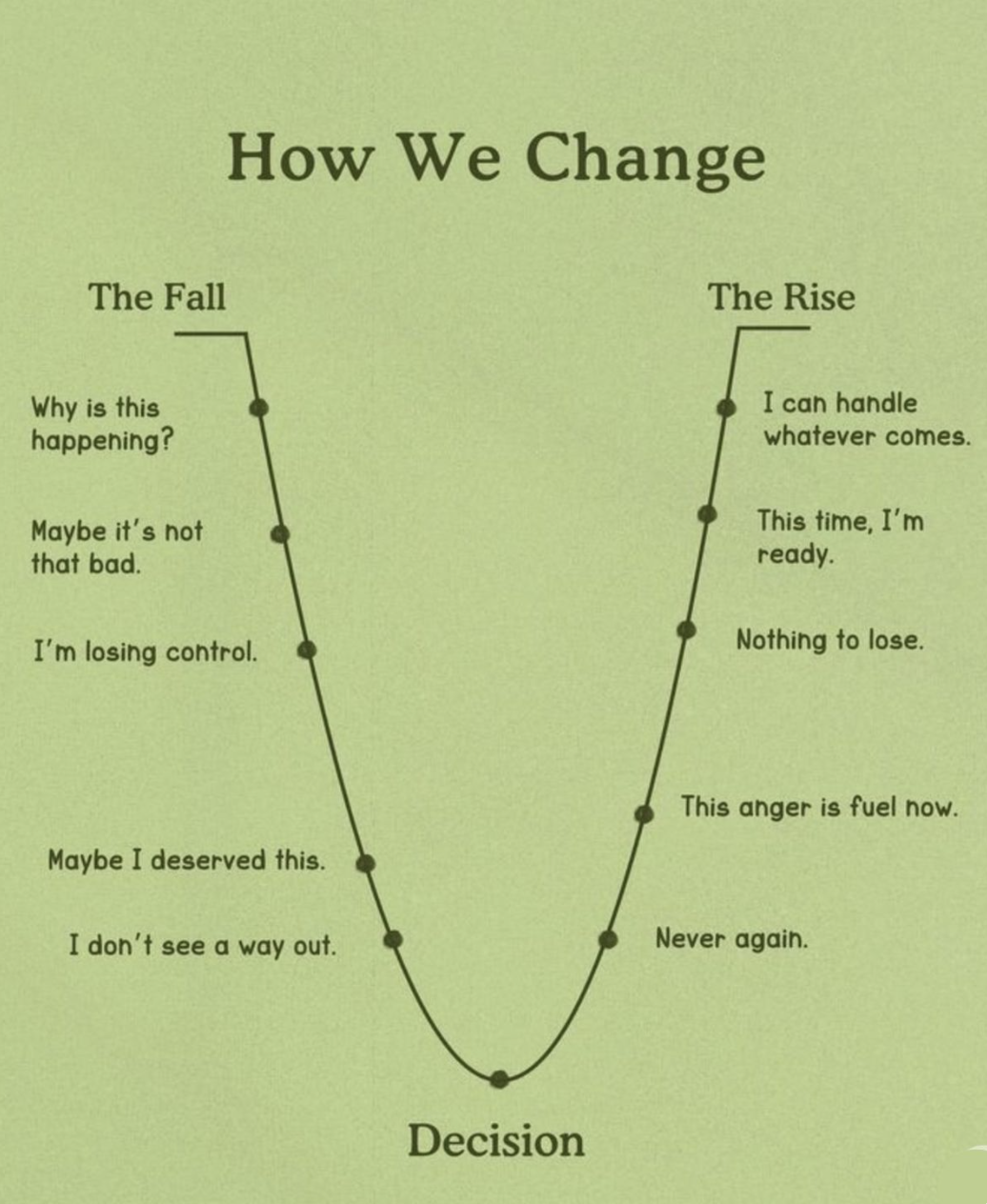
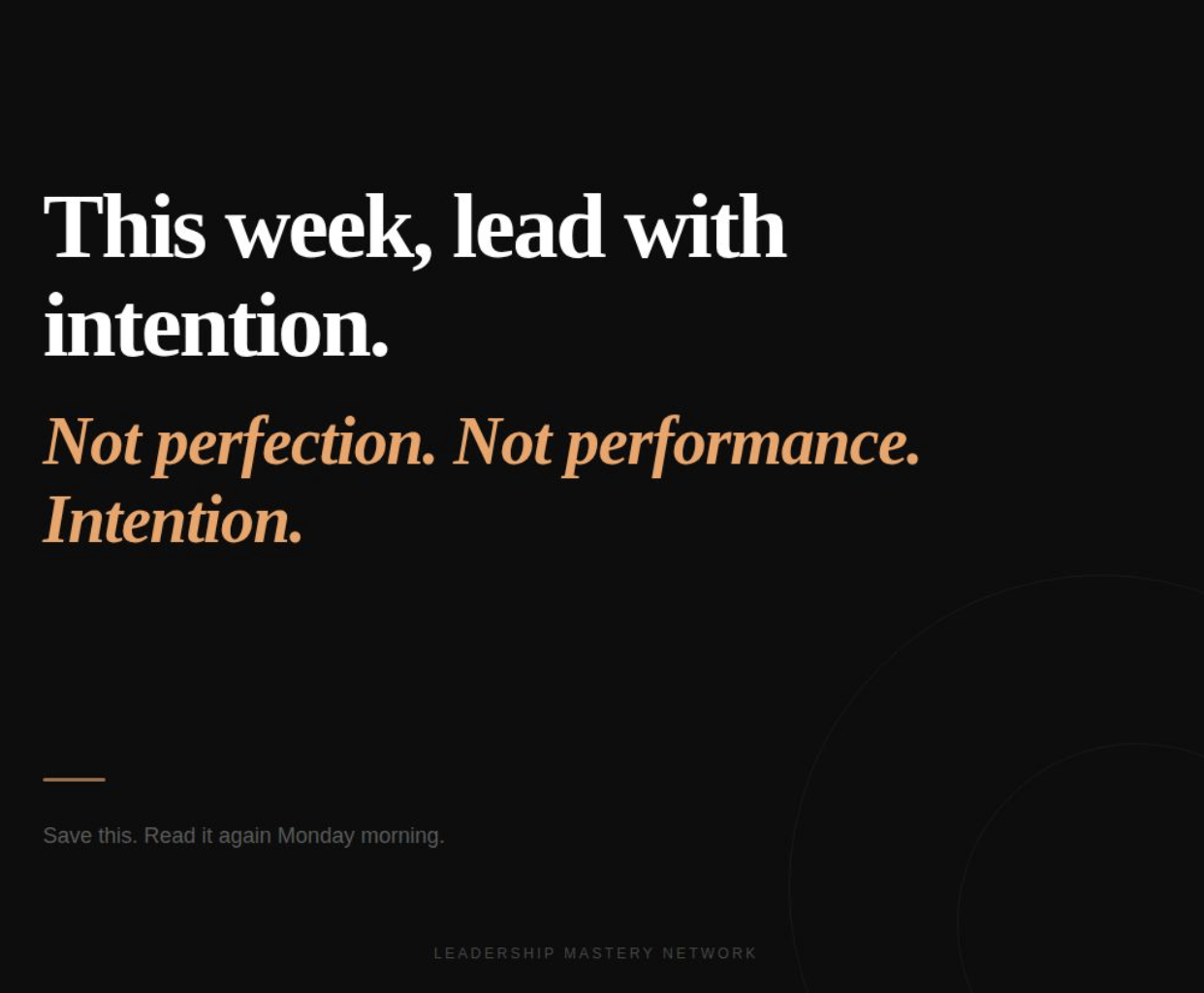
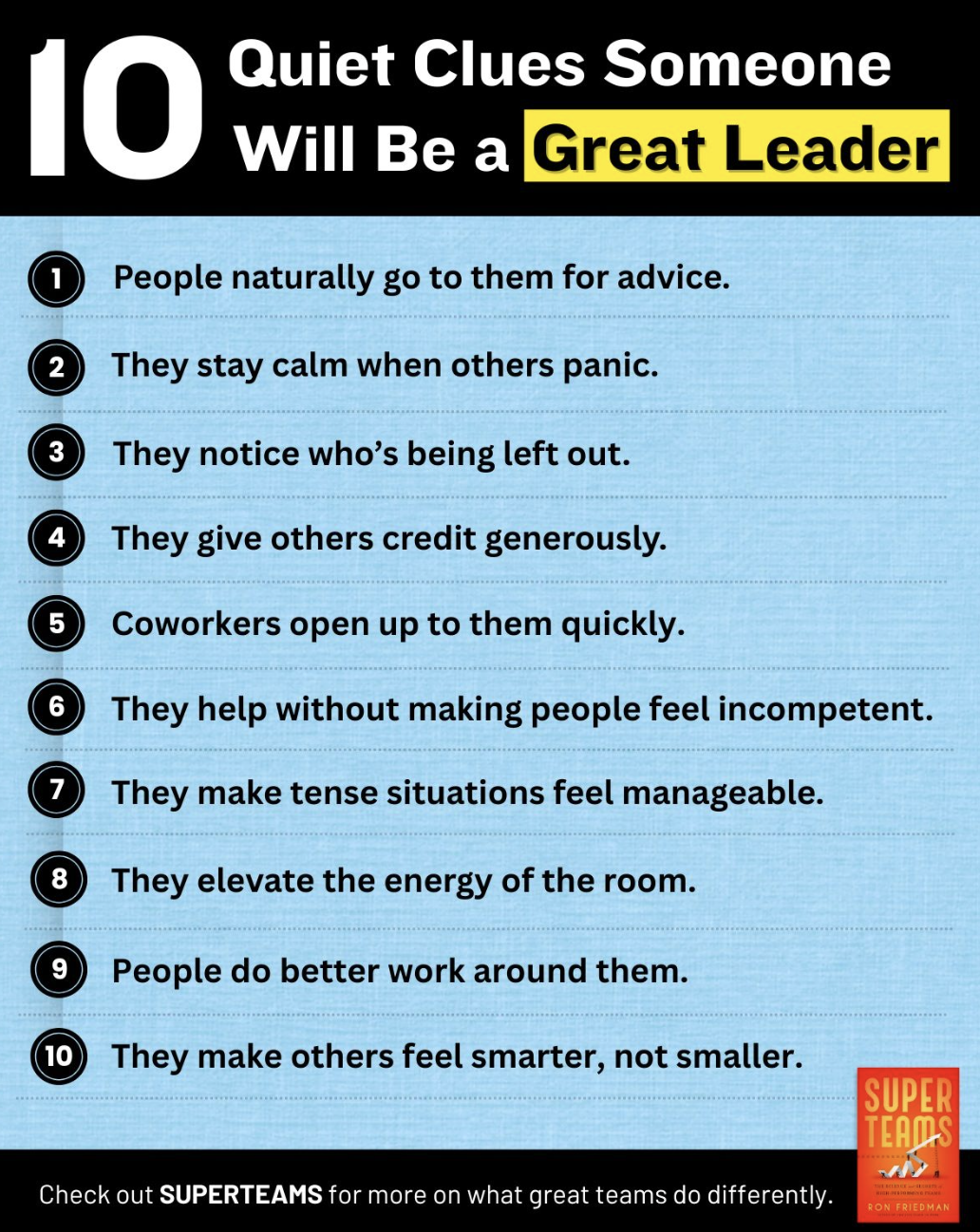

“Resilience is not about bouncing back to who you were. It is about moving forward into who you are becoming.”
Sheryl Sandberg