
The Leadership Reckoning
How to lead when everything is shifting
Over 92,000 tech jobs have disappeared in the first five months of this year. Employee engagement has dropped 24 points in a single year. Burnout is holding at 83 percent. Only one in three employees fully supports their company’s return-to-office policy. And AI, the thing every organization is racing to adopt, is simultaneously what employees fear most and what leaders feel least equipped to discuss honestly.
This is the environment we are leading in. Not the version from the strategy deck. The real one.
And here is what we keep seeing: the leaders struggling right now are not struggling because they lack talent or commitment. They are struggling because nothing prepared any of us for a moment quite like this. A moment where change has outrun most organizations’ ability to process it. Where people are not just tired. They are questioning whether their skills still matter, whether their roles will exist in three years, and whether anyone above them is being straight about what is coming.
The leaders rising to this moment are not the loudest or the most polished. They are the honest ones. The ones who understand that in the absence of real information, people do not assume the best. They fill the silence with fear. And right now, fear is already winning in a lot of organizations.
This edition is a direct response to what is unfolding in 2026. It is for the leader holding a team together after layoffs. For the leader, watching engagement quietly collapse. For the leader staring down an AI conversation they do not know how to have. And for anyone who has looked at the landscape this year and thought: I was not ready for this.
None of us were. But here is what we know about leading through it.
What leaders are facing right now
AI is already here, and your team is watching how you handle it.
More than 55,000 jobs were directly tied to AI-driven cuts last year. In 2026, that pace is accelerating. But what makes this hard for leaders is not the technology itself. It is the human side of it. The fear. The identity questions that surface when someone wonders whether the skill they have spent years building is about to be automated away.
What compounds it: research shows more than 75 percent of CEOs and CFOs use AI for less than an hour a week. Which means many leaders are asking their teams to adapt to something they have not fully engaged with themselves. That gap is visible to everyone. And it is costing trust faster than almost anything else right now.
Engagement has fallen, and silence is accelerating it.
A 24-point drop in engagement in a single year is not a blip. It is a signal that something has broken between leaders and the people they lead. And the research is consistent on what is driving it: employees are no longer primarily asking whether they feel valued. They are asking whether their leadership is being honest with them. Whether decisions reflect the values the organization claims to hold. Whether anyone at the top is actually paying attention.
Silence during uncertainty does not feel neutral to the people experiencing it. It feels like confirmation that something is being hidden. In a year like this one, silence is one of the most costly things a leader can offer.
Change fatigue is real, and even good change is depleting people.
Here is what most leaders miss: change fatigue does not discriminate between changes people welcome and changes they resist. Even genuinely exciting initiatives exhaust people when they arrive without adequate time to process, honest communication, or investment in the skills needed to adapt.
The warning signs are subtle. A team that stops pushing back. People who are present but no longer invested. A quiet drop in confidence that does not point to any single incident. If your team seems depleted and you cannot identify why, this is likely what you are seeing. The answer is not another initiative. It is a pause. An honest conversation. And a real commitment to investing in people before asking them to carry the next thing.
The return-to-office conversation is dividing teams.
With only one in three employees fully supporting return-to-office policies, and that number dropping to 19 percent among early-career workers, this has become one of the most charged leadership challenges of 2026. The organizations navigating it best are not the ones with the tightest policies.
Key actions leaders can take now:
Get visible on AI and be honest about where you actually are.
Your team does not need you to be an expert. They need you to be an honest participant. If you are not using AI regularly yourself, say so and commit to changing that alongside them. Leaders who visibly engage with AI reduce team anxiety far more effectively than any all-hands announcement ever will. Demonstrate the willingness to learn that you are asking of your people.
Try this: Block one hour this week to genuinely experiment with an AI tool relevant to your work. Then share what you learned with your team, including what did not work. Learning in public right now is one of the most powerful signals a leader can send.Communicate more than feels necessary and say the hard things.
The research on this is clear: in times of uncertainty, silence creates doubt, while honest communication builds confidence. This does not require having all the answers. It requires being truthful about what you know, what you do not know, and what you are actively working on. Narrate change as it unfolds. Explain the thinking behind decisions, even when those decisions are painful. An imperfect, honest message lands harder than ten polished ones that say nothing.
Try this: Send one honest, specific update to your team this week. Not a status report. A real communication about something uncertain that is already affecting them. Name what you know. Name what you do not. Tell them what comes next.Ask about change fatigue before you launch the next thing.
Before your next initiative, ask your team honestly how they are doing with everything already on their plate. Create genuine space for a real answer. If people are depleted, the most important investment is not in the new initiative. It is in the people who will have to carry it. Recovery is not a soft consideration. It is a performance strategy.
Try this: In your next team meeting, ask one question and mean it: What is feeling most overwhelming right now? Listen without jumping to solutions. What you hear will tell you exactly where your leadership energy needs to go.Invest in development like people’s engagement depends on it, because it does.
Seventy-one percent of employees name learning and development as the top driver of engagement right now. In a year when job security feels fragile and skills feel under threat, the leaders who retain their best people will be those who demonstrate a genuine commitment to their growth. Not performance reviews. Not unused learning platforms. Real, ongoing, personal conversations about what someone wants to build and how you can help them build it.
Try this: In your next one-on-one, ask one question: What skill do you most want to develop right now, and how can I help? Then actually follow through on what you hear. That follow-through is the whole point.Have the return to office conversation, the real one.
If your team is quietly struggling with a return-to-office mandate, pretending the tension doesn't exist won't make it go away. Acknowledge it. Make the business case honestly and specifically. Give people room to share what is hard without fear of consequence. You may not be able to change the policy. But you can lead your team through it with care and honesty, and that distinction matters enormously to how people experience it.
Try this: Ask your team directly: what would make the in-office experience genuinely valuable for you? Take at least one of the answers and do something with it. A small act of follow-through signals more than a large announcement about listening ever will.Rebuild trust through the small moments, not the big programs.
Trust does not recover through announcements or initiatives. It recovers through consistent, small acts of honesty, follow-through, and genuine care over time. Right now, when employees are filtering every leadership decision through a lens of uncertainty and fear, the quality of everyday interactions matters more than any strategic communication plan. Not the grand gestures. The quiet, consistent ones.
Try this: Think of one person on your team who has quietly pulled back. Reach out this week, not about work, but about them. Ask how they are doing and actually listen. Sometimes the most important leadership move is the most human one.
Before you move on.
The leaders who will look back on this period with something like pride are not the ones who had the right answers. They are the ones who showed up honestly, communicated with courage, and refused to let the pace of change outrun their care for the people they were responsible for.
That is the standard this moment is asking of us. It is not comfortable. But it is available to every leader willing to meet it.
“The leaders who emerge stronger will be the ones who create clarity amid chaos, maintaining transparency about challenges and modeling the same adaptability they expect from others.”

Resources to Dive Deeper
The Pragmatic Engineer by Gergely Orosz: The most trusted independent newsletter on what is actually happening in tech. Honest analysis of AI-driven layoffs and workforce shifts with none of the corporate spin.
Charter by Kevin Delaney and Erin Grau: The definitive newsletter on the future of work and leadership culture. Consistently ahead of the conversation on the topics keeping leaders up at night right now.
The Fearless Organization by Amy Edmondson: Edmondson’s work on psychological safety is more relevant in 2026 than the day it was published. If trust and engagement are slipping on your team, start here.
WorkLife with Adam Grant: Research-backed, human, and always relevant to what leaders are actually navigating. Especially strong on change, uncertainty, and what organizations owe their people.
FROM OUR DESK
The best leaders reflect before they react. The Leader Is You: A Daily Growth Journal gives you a space to do exactly that to slow down, ask the hard questions, and show up more intentionally every day. Whether you are working through a shift like the one in this edition or simply trying to lead with more clarity and purpose, this journal travels with you and meets you where you are.
—————————
And if you're ready to go deeper than a journal can take you — the Leadership Mastermind is for you.
This is a small, curated group of leaders committed to growing together. Bi-weekly live sessions. Executive coaching. Real conversations about the challenges you're actually facing — succession, trust, AI, burnout, all of it. No fluff. No audience. Just a room of serious leaders doing serious work.
Doors are currently closed, but the waitlist is open.
If leading with purpose, power, and presence is the standard you're holding yourself to in 2026 — this is where that work gets done.
Spots are limited. The leaders already on the list won't wait for you.

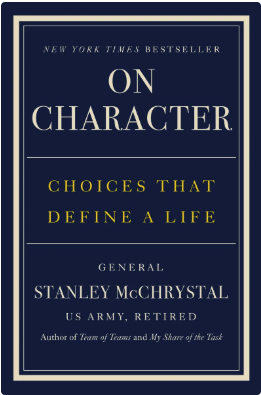
On Character by General Stanley McChrystal
"In the AI age where competence can be automated, character is the last distinct human advantage."
McChrystal's central argument is both simple and demanding: character is not a fixed trait, it's a daily practice. A muscle. A set of choices made under pressure, repeatedly, over time.
In a moment when competence is increasingly automatable, and AI can generate strategy, write analysis, and model decisions, McChrystal asks: what's left that's distinctly human in leadership? His answer is that character is the moral fiber that shapes how leaders behave when no one is watching, when the answer isn't clear, and when the pressure is high.
Drawing on decades of military command and executive consulting, he breaks character down into actionable choices—not aspirational qualities. This isn't a book about being a good person. It's a book about the daily decisions that constitute who you are as a leader.
Best for: Leaders navigating high-stakes change who want to lead from the inside out. Especially timely as AI redefines what "competence" means.

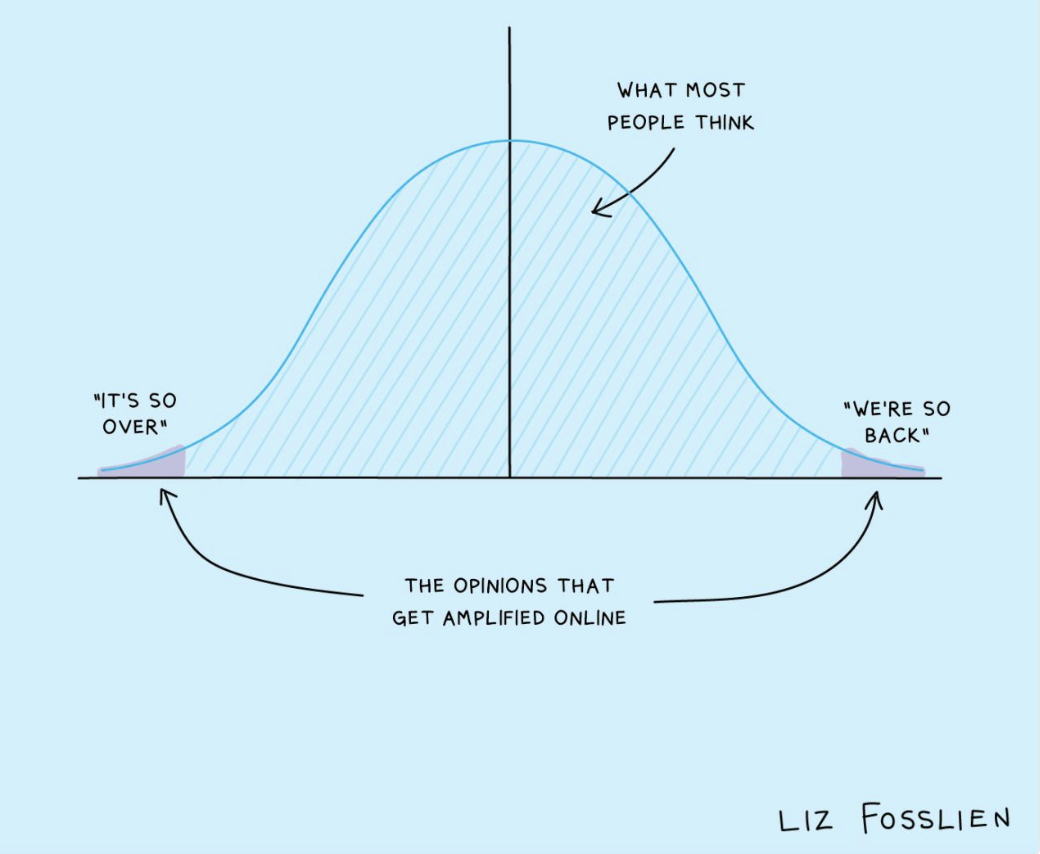
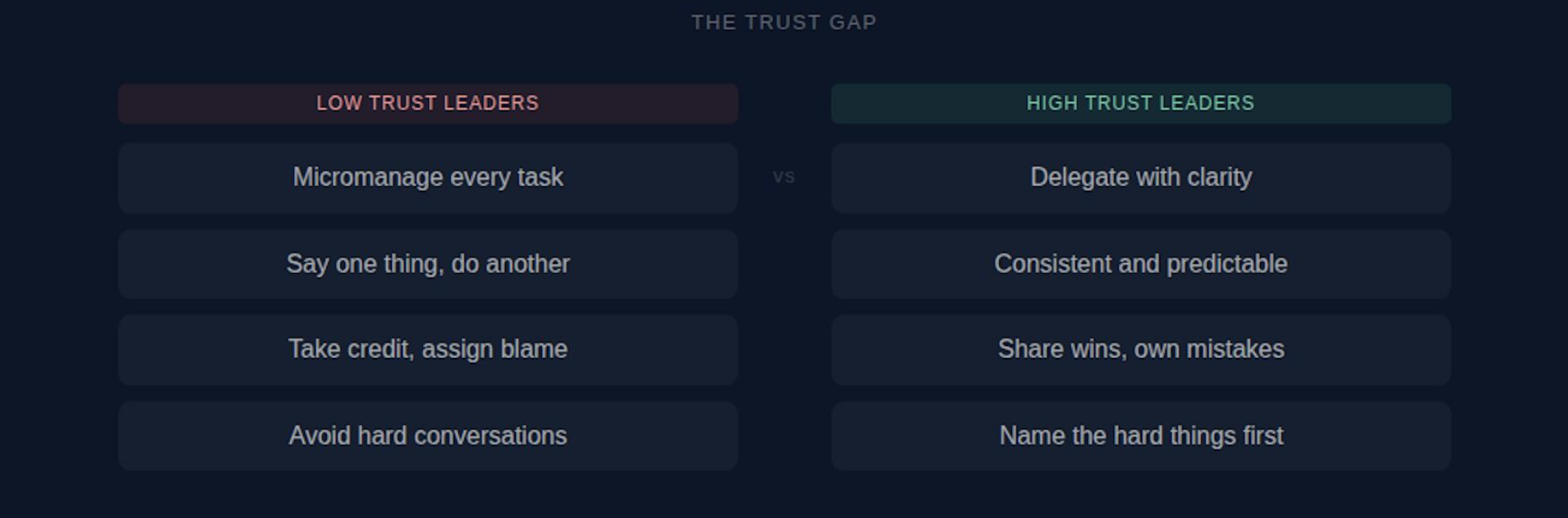
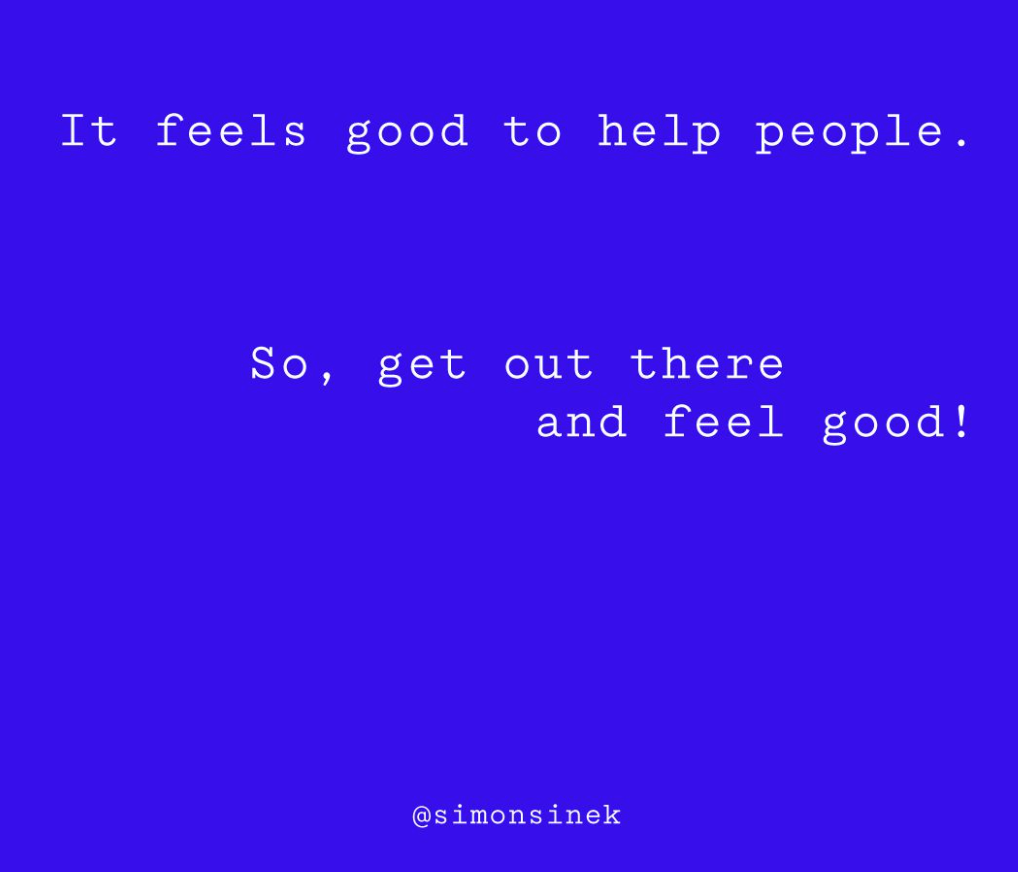
Consider how many different pieces of content you see in any given week. See something that resonates with you? Share it with us to feature it in our Social Media of the Week section.
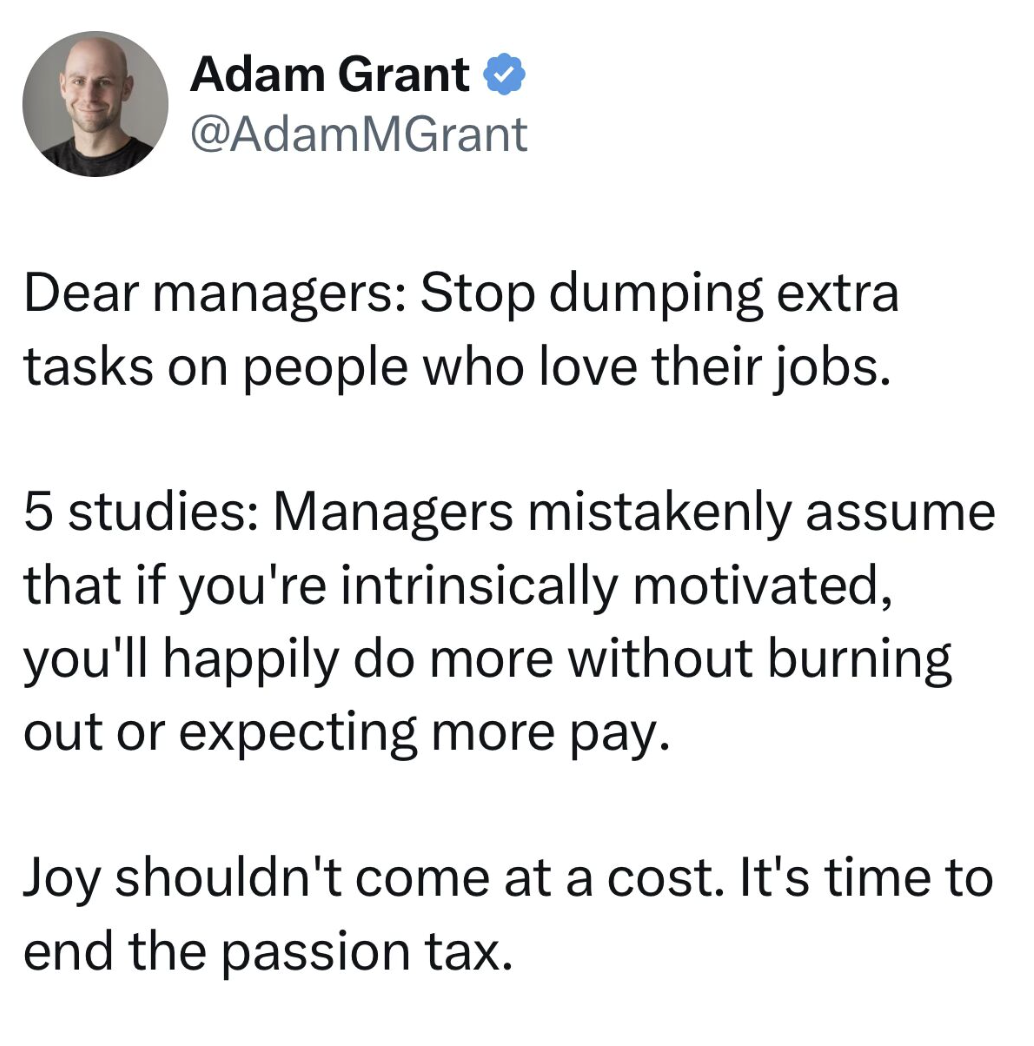
“Uncertainty is worse than physical pain. Which means silence is never a leadership strategy.”
Ashley Goodall, The Problem with Change