
What do you want to be remembered for?
Legacy is not built in the highlight reel. It is built in the quiet moments nobody is tracking.
At some point in every leader's journey, something shifts.
It is not always dramatic. It does not always arrive on schedule. But at some point the questions change. It stops being about performance and titles and results and starts being about something quieter and more enduring.
It becomes about legacy.
Not the kind etched on a plaque or captured in a career retrospective. The kind lived, felt, and carried forward by and in others. The kind that shows up years later when someone says your name in a room and the people who worked with you remember not what you delivered but how you made them feel.
That is the legacy worth building. And most leaders are building it right now, whether they are paying attention to it or not.
Every choice you make about how to show up under pressure, how you respond when things go wrong, how you treat people when there is nothing to gain, is a legacy choice. Not someday. Today.
The question is whether you make those choices with intention or by default.
What legacy actually means
Legacy is not what happens after you leave. It is what you are creating every day while you are still here.
It lives in the meeting where you chose to listen instead of direct. In the moment you gave someone else the credit. In the conversation where you told the truth when the easier thing would have been to manage the message. In the way your team responds under pressure because of the culture you quietly built over time.
It lives in the questions worth asking.
Do you ground your team in chaos or contribute to the noise? Do you elevate others or compete for the spotlight? Do you empower decisions or control outcomes?
These are not grand leadership questions. They are daily ones. And the answers accumulate into the kind of leader you are becoming whether you intend them to or not.
Legacy starts with self-awareness
The most impactful leaders take time to understand who they are at their core. What values guide their decisions. How they want others to experience them.
Perception becomes reputation. Reputation becomes legacy.
When you are clear on who you are, your leadership becomes intentional. You communicate with clarity, lead with conviction, and show up with consistency. Your focus shifts from personal contribution to elevating the people and organization around you. Others trust what they can feel before they can articulate what they see.
This is why the inner work is not separate from the leadership work. It is the leadership work. The leader who has done the honest work of knowing themselves brings something into every room that no title can manufacture, and no performance can fake.
Legacy is not built alone
Great leaders do not build legacies by themselves. They build them through the people they invest in.
They empower others to think, not just execute. They create space for voices to be heard, especially the ones that are easy to overlook. They challenge people to rise beyond what they thought was possible. They recognize and develop potential in others, often before those people can see it in themselves.
They leave people better than they found them. Stronger, more confident, more capable.
That is impact. That is what gets carried forward. Not the results on a dashboard, but the version of someone you helped them become.
Legacy is alignment in action
It is not what you say you value. It is how you live it. In every conversation, every decision, every reaction.
When your actions align with your values, you create credibility. When you show up authentically and consistently, you create trust. When trust is present, your influence expands. And influence is where legacy lives.
Legacy is rooted in authenticity. Not performing or shaping yourself to fit expectations. Showing up as who you truly are, anchored in what matters most to you, even when it is inconvenient. Even when no one is watching. Especially then.
Pause for a moment
Not as a leader. As a human being.
Step beyond the title and the expectations for just a moment. At the end of your career, at the end of this chapter, what will truly matter?
The results you delivered or how you made people feel? The authority you held or the way you showed up with authenticity, presence, and intention?
In the end, it is not just what you achieved. It is who you were for others that becomes your legacy.
What do you want people to say about you? Not about what you did. About who you were.
Your answer will shape how you lead today, how you show up tomorrow, and the legacy you leave behind.
Lead with intention. Ground yourself in who you are. Elevate everyone around you.
Your legacy is not someday. It is being built right now.
Action steps leaders can take today
Name what you want to leave behind.
Not your accomplishments. Your impact. Write down three things you want people to say about how it felt to work with you. Then ask honestly whether your current leadership reflects those three things. The gap between what you want to leave and how you are actually showing up is your development edge.
Try this: Complete this sentence: I want to be remembered as a leader who always... Write it down. Put it somewhere you will see it. Let it become the standard you hold yourself to.Do a legacy audit on your week.
Look at the last five days. Where did you elevate someone? Where did you empower a decision instead of making it yourself? Where did you show up with authenticity when the easier thing would have been to perform? And where did you miss the mark? No judgment. Just honesty. That is where the work lives.
Try this: At the end of each week for the next month, ask three questions. Who did I leave better than I found them? Where did my actions align with my values? What do I want to do differently next week?Have one legacy conversation this week.
Not a performance conversation. A human one. Tell someone on your team something specific about the potential you see in them. Ask someone what they want to build in their career and what you can do to support it. Invest in someone not because of what they can deliver but because of who they are becoming.
Try this: Reach out to one person this week, not about a deliverable, but about them. What are they working toward? What do they need? How can you help? That conversation is legacy in motion.Close the gap between your values and your actions.
Pick one value you claim to hold and identify one specific place in your leadership where you are not quite living it. Not because you do not care. Because the pace and pressure of the work has pulled you away from it. Then make one concrete change this week to close that gap.
Try this: Write down your top three values. Then identify one decision from the last two weeks that did not reflect them. Ask what you would have done differently. That reflection is where character is built.Ask the question that changes everything.
If you left your role tomorrow, what would remain? Not in the systems or the results. In the people. Would they be more confident, more capable, more willing to take creative risks because of the way you led? Would they carry something forward that they learned from being around you?
Try this: Ask a trusted colleague or team member what they have learned from working with you. Not what you accomplished together. What they learned about leadership, about themselves, about how to show up. Their answer will tell you more about your legacy than any performance review ever will.
A closing thought.
The most powerful legacy a leader can leave is not in what they built. It is in the people they built it with and the version of themselves those people got to become in the process.
That is not the work of someday. It is the work of today, in the conversation you are about to have, the decision you are about to make, and the choice about who you are going to be in the next moment that matters.
Your legacy is already being written. The only question is whether you are writing it with intention.
“Carve your name on hearts, not tombstones. A legacy is etched into the minds of others and the stories they share about you.”

Resources to Dive Deeper
The Go-Giver — Bob Burg and John David Mann
A deceptively simple story about the five laws of stratospheric success — one of the most transformative reads on influence, generosity, and legacy-driven leadership.Man's Search for Meaning — Viktor Frankl
One of the most profound explorations of purpose and legacy ever written. A reminder that the meaning we bring to our work and relationships is what endures.On Being with Krista Tippett
One of the most grounding listens available for any leader thinking about meaning, purpose, and what it means to live and lead with intention.
Where are you now, and where are you going
This edition is about legacy. And legacy requires clarity on three things:
What you want to leave behind.
Where you are right now.
And where you are heading next.
Most leaders don't get to sit with those three questions in the middle of a busy week. The Leadership Mastermind gives you the space and structure to answer them, alongside a small group of leaders asking the same questions with the same honesty and intention.
The Leadership Mastermind is now open, and the cohort is intentionally small.
This is not a course.
Not a webinar series.
It is a curated group of leaders doing real work together.
Executive coaching built in.
Honest conversation about where you are, what you are building, and who you are becoming in the process.
If the questions in this edition are ones you want to explore with people who take them as seriously as you do, this is the room.
Early Bird pricing is available until September 30 with code: EARLYBIRD

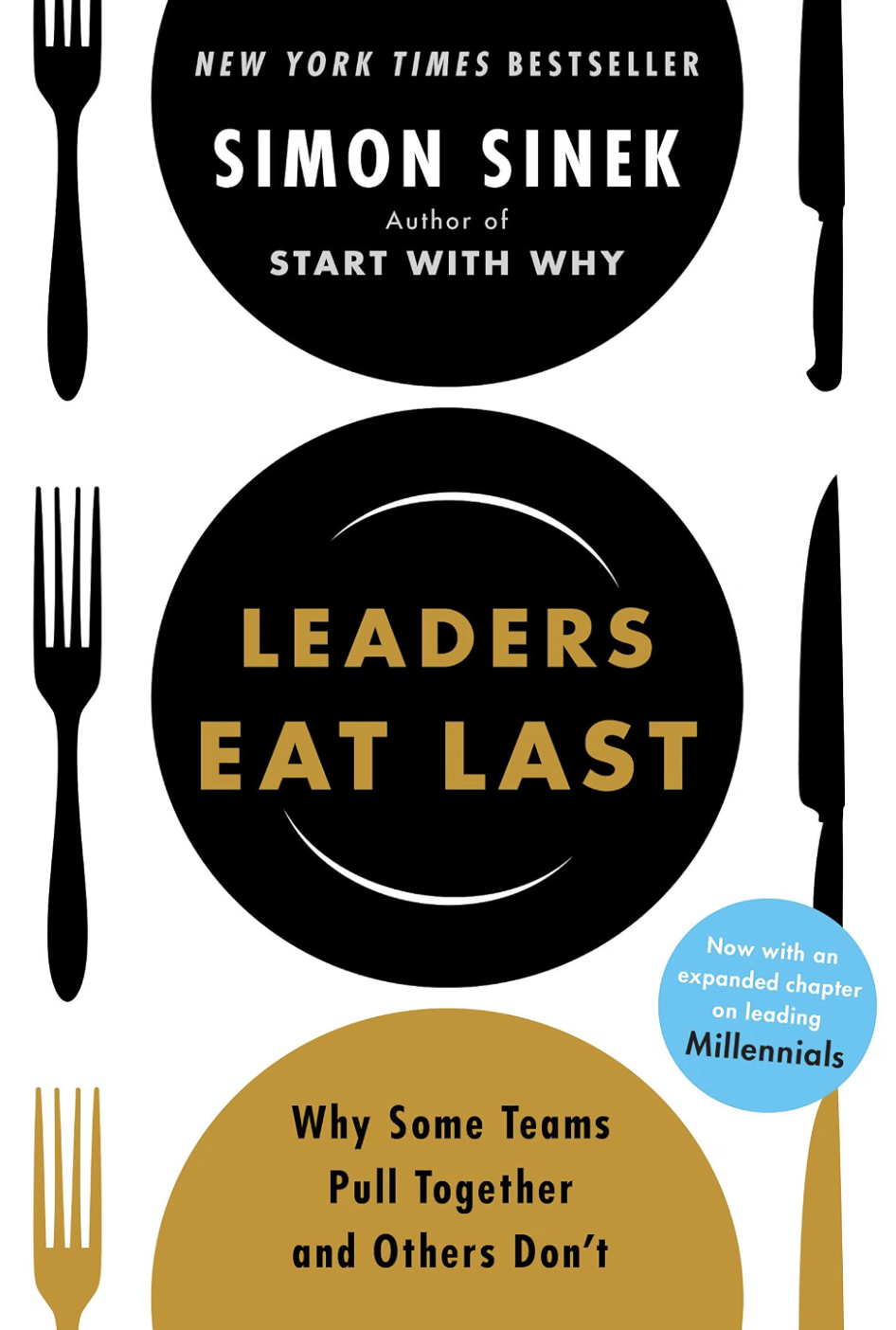
Leaders Eat Last by Simon Sinek
This book lives at the heart of everything this edition is about.
Sinek's research on what builds trust, loyalty, and followership is one of the most honest and compelling explorations of why some leaders earn lasting respect while others never quite do. He draws on neuroscience, military culture, and real organizational stories to argue that the leaders who build the strongest teams are not the ones who demand the most from their people.
They are the ones who protect them first. The distinction between a leader people follow because they have to and one they follow because they choose to is on every page. Read it slowly. There is a lot worth sitting with.

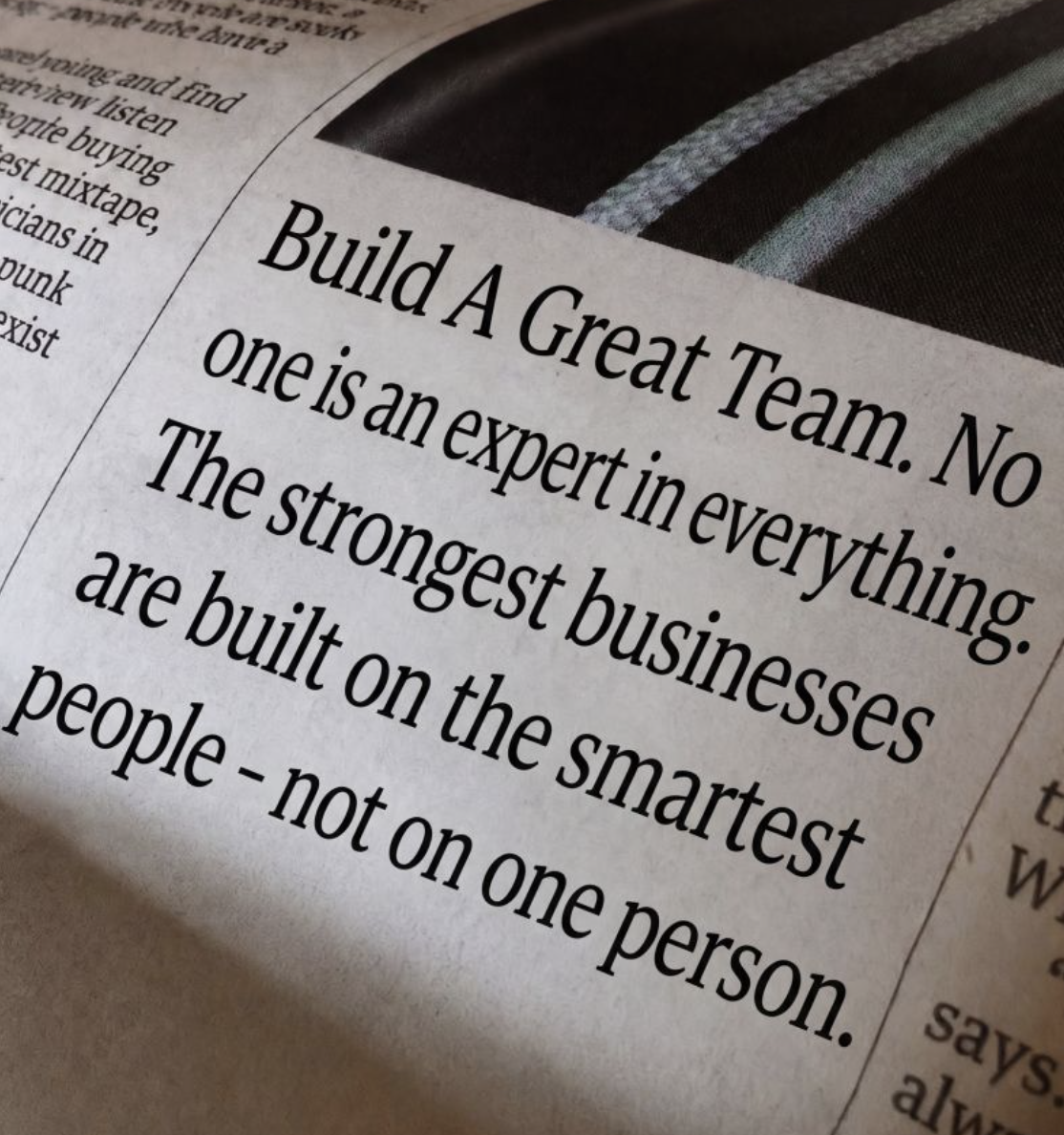
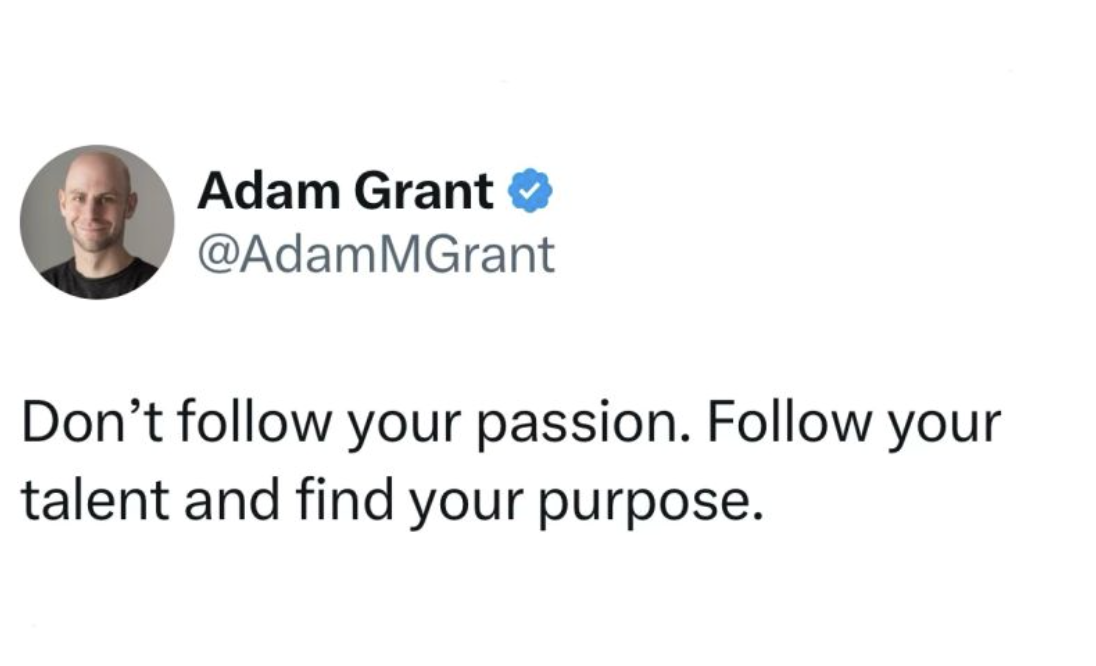
Consider how many different pieces of content you see in any given week. See something that resonates with you? Share it with us to feature it in our Social Media of the Week section.
"The greatest use of a life is to spend it on something that will outlast it."
William James