
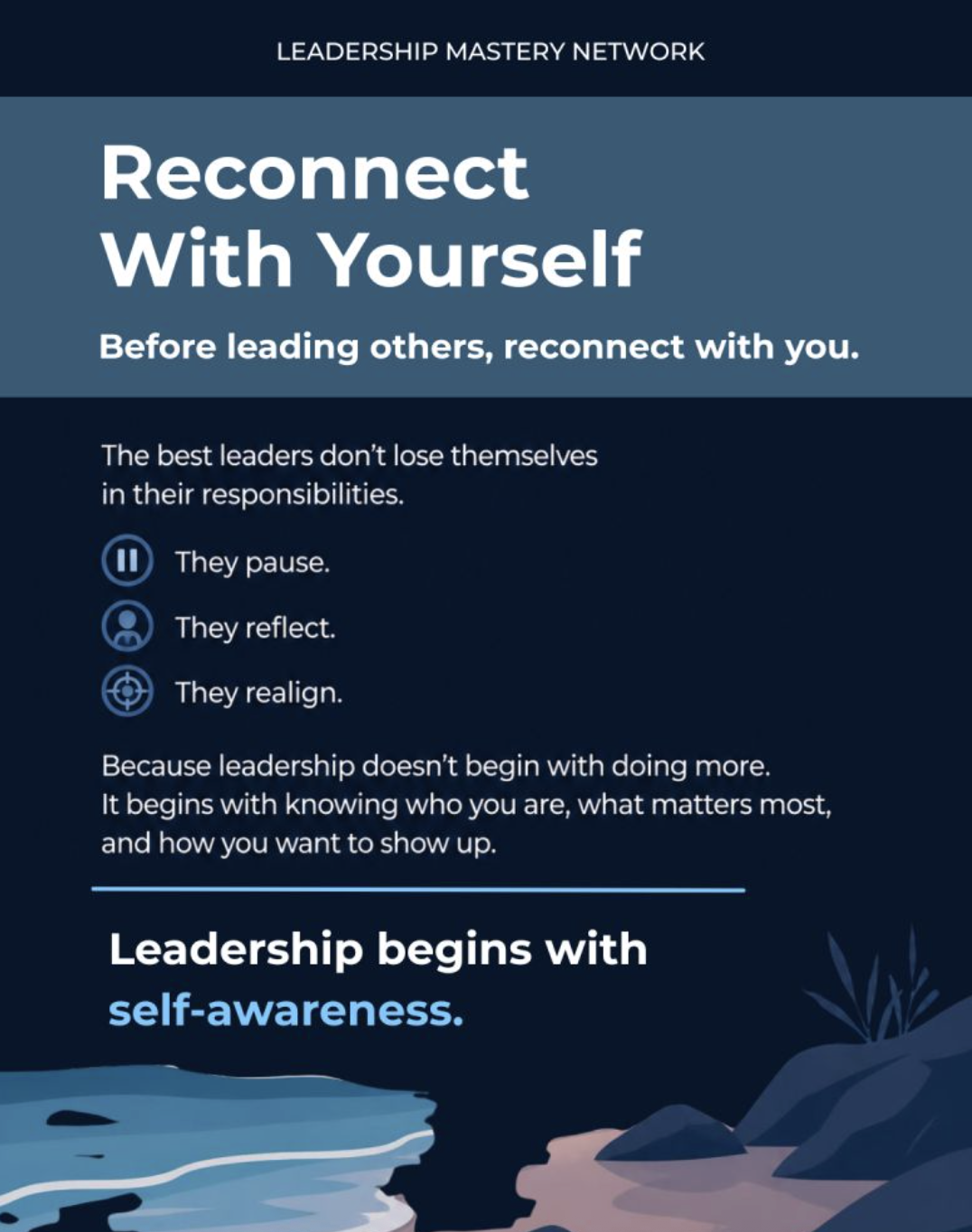
You got the title. Now figure out who you are as a leader.
Purpose is not something you find after you have mastered leadership. It is how you master it.
Nobody tells you about the identity crisis.
They announce the promotion. People congratulate you. Your email signature changes. And then you sit down at your desk, or on a video call, or in your first team meeting, and something quietly shifts.
You are no longer the person who was great at the work. You are now the person responsible for other people who are doing the work. And the skills, instincts, and identity that earned you this moment are not quite the ones you need for what comes next.
The skills that make someone great as an individual contributor are not the same skills that make someone effective as a leader. Most new managers discover this the hard way. Not because they lack capability. Because nobody prepared them for the fact that becoming a leader is not a promotion. It is a transformation. And transformations require you to know who you are.
Right now, teams are more vocal, younger, more diverse, and more values-driven than ever before. People want clarity. They want empathy. They want psychological safety. They want leaders who can handle conflict without creating chaos. And they will follow a new manager who knows what they stand for long before they will follow one who simply holds the title.
That is what this edition is about. Not the management skills, though those matter. The deeper work. Who are you as a leader? What do you actually stand for? And how do you stay anchored to that when the pressure of a new role threatens to pull you in seventeen different directions at once?
This is where purpose-driven leadership begins. Not after you have it all figured out. Right now, in the middle of figuring it out.
What is actually happening for new managers right now
Most managers do not struggle because they do not care. They struggle because they are managing up, managing down, hitting goals, and trying not to mess things up, all at the same time.
Add to that the current environment. As AI automates routine tasks, managers must shift from oversight to coaching, development, and culture-building. The role of a manager in 2026 is fundamentally different from what it was five years ago. The transactional parts of management are increasingly handled by systems. What is left, and what matters most, is the human part. The part that requires you to know yourself well enough to lead others.
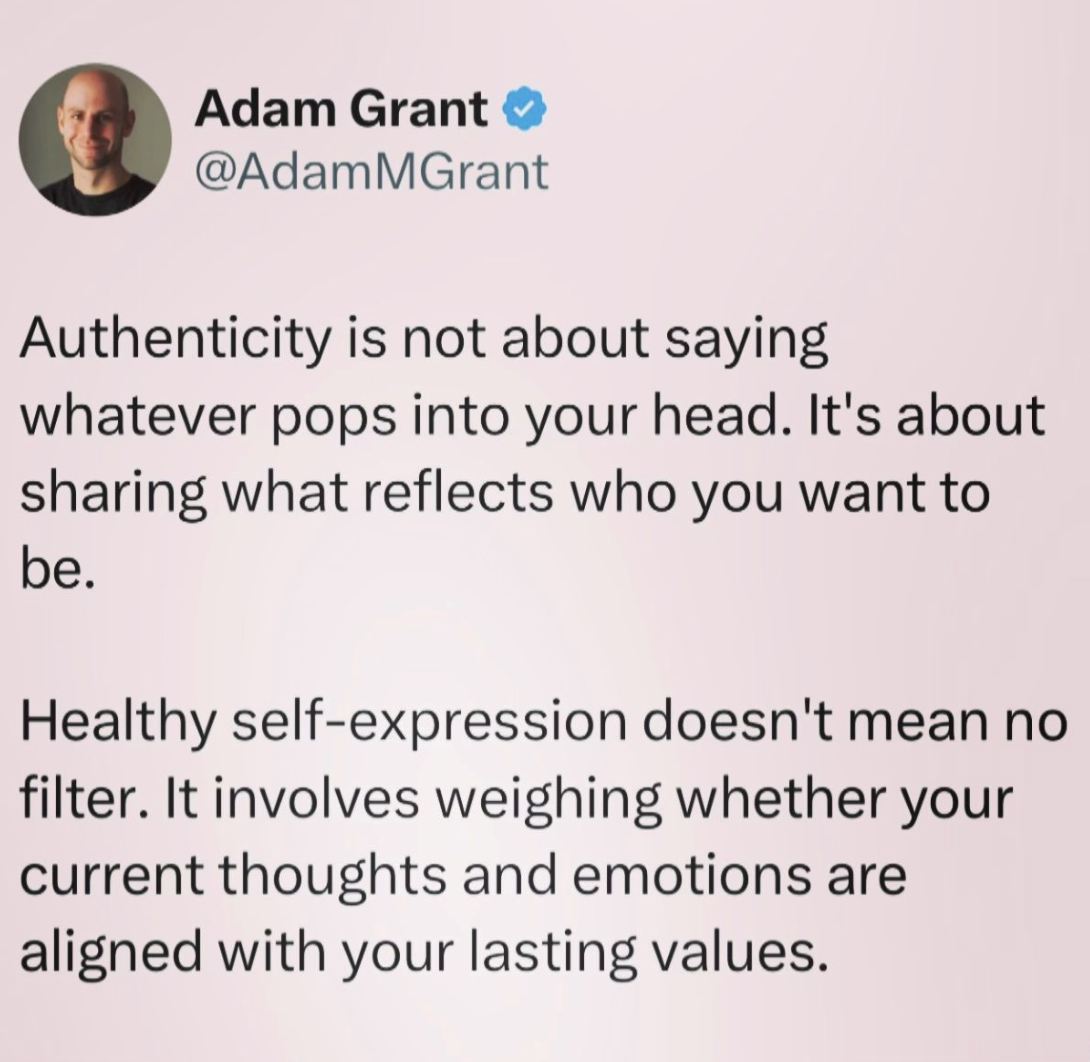
As organizations grow beyond initial products, markets, and purposes, many leaders' values get lost. Some leaders fear that being authentic and relatable erodes authority. This fear is especially acute for new managers. The pressure to look like you have it together. To project confidence you have not yet earned. To mirror what leadership looked like above you rather than developing what it looks like as you.
The leaders who navigate this transition best are not the ones who perform confidence the fastest. They are the ones who get clear on their values early and use that clarity as the anchor that holds them steady while everything else is still in motion.
Purpose is not a destination. It is a daily practice.
Here is the thing most leadership development programs skip over entirely.
Purpose is not something you discover once in a workshop and carry with you forever. It is something you practice. A daily decision to lead in alignment with what you actually believe. To treat the people on your team the way your values say you should. To make the difficult call the way your principles say it should be made. To stay honest when the easier thing would be to manage the situation.
For new managers especially, purpose is what keeps you from becoming a chameleon. From shifting who you are based on who is in the room or what the organization seems to reward. From looking up three years into your leadership career and realizing you have built a version of yourself you do not recognize or particularly respect.
Agility without direction leads to chaos. Agility with purpose leads to innovation.
Your values are your direction. And right now, at the beginning of your leadership journey, is the most important time to name them, to live them, and to protect them.
How to balance core values and growing expertise
The new manager's dilemma is real. You are simultaneously learning the technical craft of leadership, how to give feedback, how to have hard conversations, how to delegate, how to build a team, and trying to stay true to who you are in the process.
Here is what we know about leaders who do this well.
They stay curious rather than certain. The new manager who pretends to know more than they do loses credibility fast. The one who says I am still learning this and here is how I am thinking about it builds trust faster than almost anything else.
They separate style from values. Your leadership style will evolve. How you run a meeting, how you communicate, how you structure feedback, all of that will change as you gain experience. Your values do not have to change with it. In fact, the best leaders learn to express the same values in increasingly sophisticated ways as they grow.
They ask more questions than they answer. Emotional intelligence is no longer about being warm or approachable. It is a survival skill. And the single most emotionally intelligent thing a new manager can do is listen before they lead. Understand before they direct. Get curious about the people on their team before they decide how to manage them.
They build in reflection. The leaders who grow fastest in new roles are not the ones who work the hardest. They are the ones who take time, even twenty minutes at the end of the week, to ask: what did I do that aligned with my values? What did not? What do I want to do differently next week?
Inspiring concepts to carry with you
Your leadership identity is built in the small moments, not the big ones.
It is built in how you respond when someone makes a mistake. Whether you protect your team in a hard conversation or let them absorb the impact. Whether you tell the truth when the easier thing would be to manage the message. Whether you give credit or keep it. Whether you ask how someone is doing and actually mean it.
None of these are dramatic. All of them are defining. And they are happening every day whether you are paying attention to them or not.
The new manager who starts paying attention to these moments early, who asks what does this say about who I am as a leader, builds a foundation that holds long after the novelty of the title has worn off.
Leadership is not a position. It is a practice. And purpose is not a statement. It is a pattern. The pattern of choices you make, consistently, over time, about what kind of leader you are going to be.
Start that pattern now. It compounds faster than you think.
Tips and action steps leaders can take immediately
Write down your three core values, not the aspirational ones. Not the values you think a good leader should have. The ones that are already operating in you. The things you feel strongly about when they are violated. The principles you find yourself coming back to when you have to make a hard call. Name three. Be specific. Values like integrity and respect are a starting point, not a finish line. Get beneath them. What does integrity actually mean in how you lead? What does respect look like in the specific decisions you make?
Try this: Complete this sentence three times: When I am at my best as a leader, I am always... The words that follow are your values in action.Map your values to your current role. Once you have named your values, ask a harder question. Where in your current role do you have the most opportunity to live them? Where is the gap between what you value and how you are actually operating? That gap is your development edge. Not a weakness to be ashamed of. The most honest and useful information available to you right now.
Try this: Look at the last two weeks of decisions you made as a manager. Pick three. For each one, ask: was this decision aligned with my values? What would have looked different if it were?Have one values-based conversation this week. Not a performance conversation. Not a task conversation. A conversation where you share something about how you like to lead and ask something genuine about what the person on your team needs. This is how trust is built between a new manager and a team. One honest, human exchange at a time.
Try this: In your next one-on-one with a team member, share one thing about how you lead and ask one question about what they need from you to do their best work. Then listen without an agenda.Find one leader whose values you admire and study them. Not to copy them. To understand how their values show up in how they make decisions, how they treat people, and how they communicate. Leadership is partly observation. The most intentional leaders are always paying attention to what is working in the leaders around them and asking why.
Try this: Name one leader you genuinely admire. Write down three specific things they do that you would like to bring into your own leadership. Then pick one to practice this week.Build a weekly reflection practice now before things get busier. The most consistent habit among the most effective leaders we work with is a protected weekly reflection. Not complicated. Not lengthy. A set of three questions asked and answered honestly every week. How did I show up this week? Where was I most aligned with my values? Where did I fall short, and what do I want to do differently?
Try this: Set a fifteen-minute recurring block at the end of every Friday. Three questions. Written answers. Do it for four consecutive weeks before you evaluate whether it is useful. It will be.Get comfortable saying I do not know yet. This is the single most confidence-building thing a new manager can do, and it is the one most new managers resist the hardest. The pressure to have the answer is real. The cost of pretending you do when you do not is higher. Teams trust leaders who tell the truth about uncertainty far more than they trust leaders who perform certainty they do not have.
Try this: The next time you are asked something you do not fully know the answer to, try: I want to think about that carefully before I give you my view. Then actually do it and come back with something real.Connect with other new leaders who are in the same transition. The isolation of a new management role is one of its least discussed features. You are no longer a peer in the same way. You are not yet a senior leader. You are in a transition that most people around you have either never experienced or experienced so long ago they have forgotten what it felt like. Finding people who are in it alongside you is one of the most practical and underrated investments you can make right now.
Try this: Identify one person this week who is navigating a similar leadership transition. Reach out. Not to network. To connect honestly about what you are each figuring out. You will both be better for it.
A closing thought.
The best leaders do not have it all figured out. They have a clear enough sense of who they are that they can keep leading well while they are still figuring it out.
That is what purpose gives you. Not a roadmap. An anchor. Something to return to when the pressure is high and the right call is not obvious, and the temptation to be whoever the room needs you to be is louder than the voice that knows who you actually are.
You do not need to wait until you are a better leader to lead with purpose. You build purpose by leading with it. One decision, one conversation, one week at a time.
Start now. The foundation you build in these early months will hold everything that comes after.
“The most common form of despair is not being who you are.”

Resources to Dive Deeper
The First 90 Days — Michael Watkins: The most research-backed and practically useful guide available for leaders navigating a new role and trying to build credibility without losing themselves in the process.
True North — Bill George: George's research on authentic leadership is the most complete framework available for leaders who want to build a leadership identity grounded in values rather than performance. Essential reading for any new manager who wants to lead for the long term.
The Manager's Path — Camille Fournier: One of the clearest and most honest guides available on what the transition from individual contributor to manager actually looks like in practice. Practical, direct, and deeply grounded in the real experience of making this shift.
The Knowledge Project — Shane Parrish: Parrish's long-form conversations with world-class thinkers consistently surface the most useful insights on self-awareness, decision-making, and values-based thinking, all directly relevant to the new manager navigating who they want to become.
How to Be a New Manager — WorkLife with Adam Grant: Grant's research-backed conversations on what new managers get wrong and what they most need to get right, with specific and immediately applicable guidance for leaders early in their management journey.
Headspace for Work: A mindfulness and self-awareness tool designed specifically for workplace use, especially useful for new managers who want to build the daily regulation and presence practices that make values-based leadership possible under pressure.
A DIFFERENT KIND OF INVESTMENT
We have spent this entire edition making the case for investing in yourself. We want to tell you about the most intentional version of that investment we have ever built.
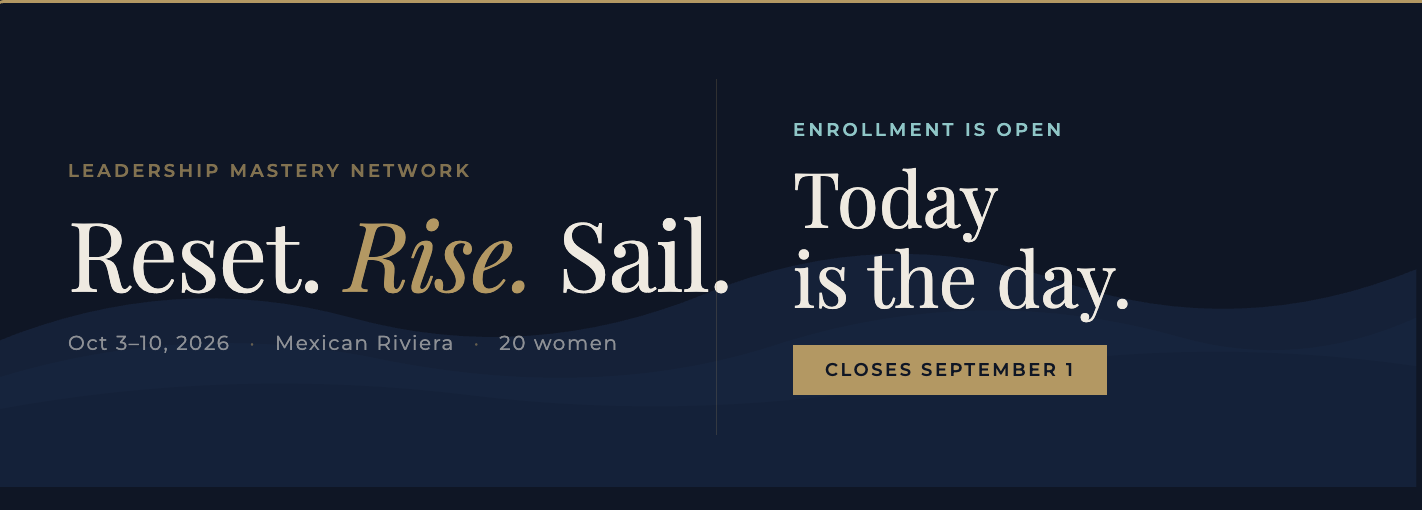
Reset. Rise. Sail. The Leader's Retreat 2026.
Seven nights aboard Virgin Voyages Brilliant Lady. Mexican Riviera. October 3 to 10. Twenty women maximum. Structured, intentional, and designed around one question: what would it look like to invest in yourself the way the best leaders invest in everything else they care about?
You leave with purpose and clarity that is genuinely yours. A 90-day plan that holds when life gets loud. A personal accountability tribe that becomes part of your board of directors. And daily habits built on the water that travel home with you.
Workshops. Morning movement and meditation. Group dinners. Shore excursions. The kind of honest conversation that only happens when you are in the middle of the ocean with nowhere to be except exactly where you are.
Enrollment closes on September 1, 2026.
If something in you has been waiting for the right reason to say yes to yourself, this is it.
Join Now: leadershipmasterynetwork.com/retreat2026

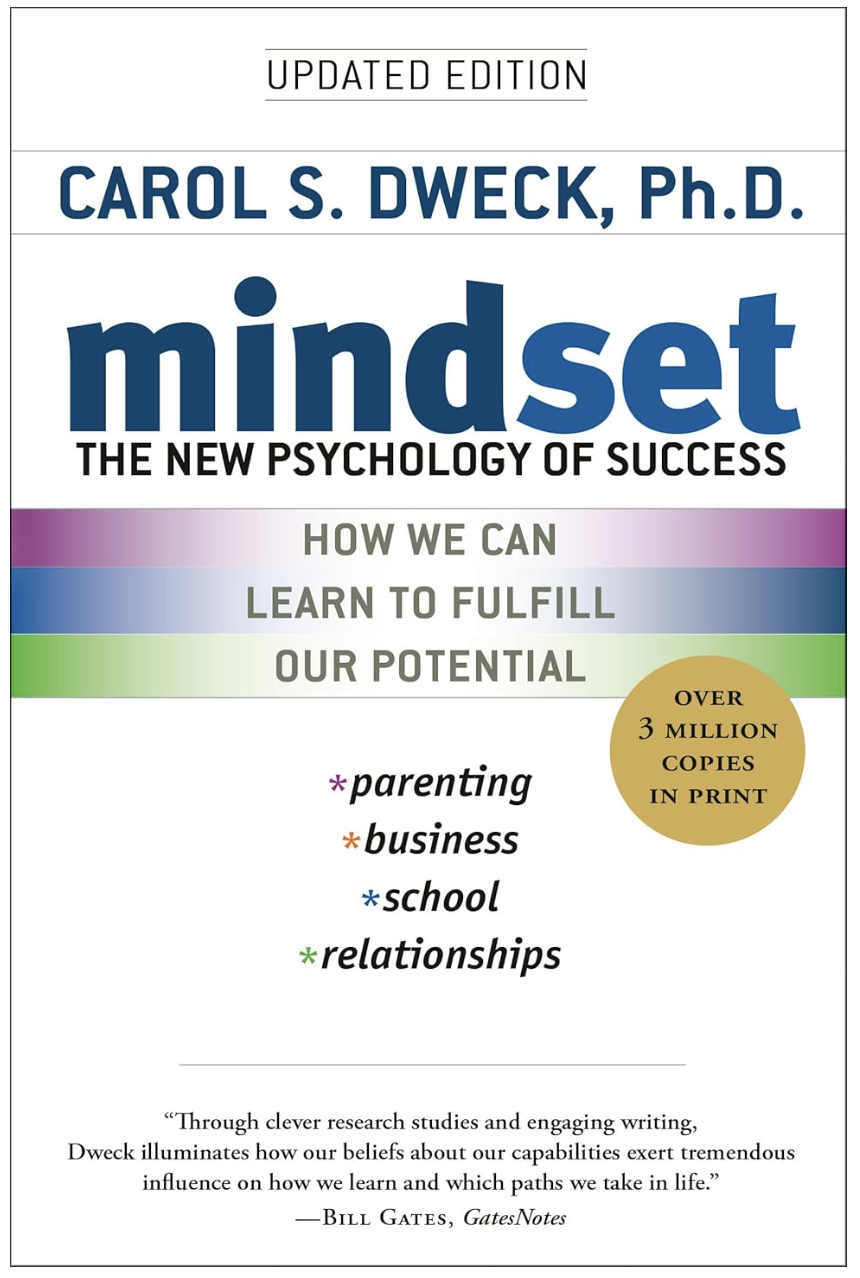
The First 90 Days by Michael Watkins
This is the most practical and honest guide available for leaders navigating a new role.
Watkins' research on what determines success or failure in leadership transitions is directly applicable to the new manager experience in 2026. He covers how to accelerate your learning, build credibility quickly, secure early wins without compromising your values, and create the conditions for sustained success.
But underneath the strategy is a deeper message: who you are in the first 90 days sets the tone for everything that follows. Read it early. Then read it again.

Consider how many different pieces of content you see in any given week. See something that resonates with you? Share it with us to feature it in our Social Media of the Week section.
"Knowing yourself is the beginning of all wisdom."
Aristotle