
The habits you have right now are telling a story about what you actually value. Is it the story you want to tell?
We do not run out of time all at once.
We spend it in increments so small we barely notice until one day we look up and wonder where it went.
If someone followed you around for the next seven days and tracked everything you did with your time, what would they conclude about what you actually value? Not what you say you value. Not what you put in your vision statement or your goals document or the conversation you had with your coach six months ago about what matters most. What would the evidence of your actual hours tell them about what you have decided is worth your limited and non-renewable time on this planet?
For most of us, there is a gap. A real and significant gap between the life we say we are building and the way we are actually spending the hours that make it up. We say family is first and then work until ten. We say our health matters and then deprioritize sleep for the fourth week running. We say we want to build something meaningful and then fill our days with the urgent at the expense of the important until the quarter is over and we cannot quite remember what we were actually working toward.
We are not lazy. We are not uncommitted. We are human beings living inside systems and cultures that have a relentless talent for filling every available moment with something that feels necessary. And in the middle of all of that noise, the things that actually matter, the relationships, the growth, the experiences, the work that is genuinely ours to do in the world, quietly wait.
This edition is a call to stop waiting.
Not because you are doing everything wrong. Because the time you have is finite in a way most of us do not truly reckon with until something forces us to. And the leaders and humans who look back on their lives with something like satisfaction are not the ones who were the busiest. They are the ones who were the most intentional.
Let's talk about what that actually looks like.
The illusion of later
We carry a quiet assumption through most of our lives that there will be time for the things that matter most. Later. After this project. When the kids are older. When we hit the number. When things slow down.
But here is the truth that most of us know and rarely sit with long enough to let it change us.
Later is not a guaranteed destination. It is a story we tell ourselves to make it feel safe to keep postponing the things that are actually most important to us. And the cost of that story is not dramatic. It is quiet. Incremental. The conversation you did not have. The trip you did not take. The work you kept planning to start. The person you kept meaning to call.
Research on what people regret at the end of their lives is remarkably consistent. People do not regret the risks they took. They regret the ones they did not. They do not wish they had worked more. They wish they had been more present for the people and experiences they actually cared about. They do not mourn the things they tried and failed at. They mourn the things they never tried because they kept waiting for a better time.
There is no better time. There is only now and the choices you make inside it.
What your time is actually telling you
Your calendar is one of the most honest documents in your life. It does not reflect your intentions. It reflects your decisions. And the gap between those two things is where clarity lives.
Here is a simple and uncomfortable exercise. Look at the last two weeks of your calendar. Not what you planned. What actually happened. Where did your time go? How many hours went to things that genuinely moved you toward what matters most to you? How many went to obligations that drained without giving anything back? How many simply disappeared into the low-grade busyness that fills every leadership life if you let it?
Now ask the harder question. If you kept living the next ten years exactly as you lived the last two weeks, where would you end up? What would you have built? What would you have experienced? Who would you have been for the people you love most?
If the answer excites you, you are already living with intention. If it does not, that feeling is not a problem. It is information. And information is where change begins.
This is a leadership issue, not just a personal one
Most leaders think about time management as a productivity challenge. Get more done in less time. Optimize the calendar. Batch the meetings. All of that has value.
But the deeper question is not how to be more efficient. It is whether you are being efficient in service of the right things.
The leaders we most admire, the ones who built something lasting, who loved well, who led with genuine purpose, were not the ones who packed the most into every hour. They were the ones who had the clarity and the discipline to say yes to the things that mattered and no to the things that did not. Who understood that every yes is also a no to something else. And who chose carefully enough that the nos were worth it.
That is not a time management skill. It is a values clarity skill. And it requires you to know, with real specificity, what you are actually here to do and who you actually want to become.
Because without that clarity, the default is always busyness. And busyness, whatever else it accomplishes, is not a life. It is a distraction from one.
Key actions leaders can take today
Do a time audit this week. Not a complicated system. Three columns. Time you spent on things that genuinely matter to you. Time you spent on things that were necessary but not meaningful. Time you spent on things you could not honestly justify if someone asked. Just seeing it in writing changes something.
Try this: At the end of each day this week, take ten minutes and categorize where your hours went. By Friday you will have more clarity about your actual priorities than any values exercise has ever given you.Name your top three. Not your top ten. Not your full list of goals. The three things that, if you gave them genuine, consistent attention, would make everything else feel worth it. Your health. A relationship. A creative project. A business you are trying to build. A person you are trying to become. Three. Named specifically. Written down.
Try this: Write down your top three right now. Then look at your calendar from last week and count how many hours went toward each of them. The number will tell you everything.Schedule what matters before you schedule everything else. Most leaders fill their calendars with obligations first and then wonder why there is no time left for the things they actually care about. Reverse it. The non-negotiables go in first. The rest fits around them or does not fit at all.
Try this:: Before you plan next week, put your top three on the calendar first. One block per day minimum for the thing that matters most. Then schedule everything else.Create one no this week. Not a complicated boundary-setting exercise. One concrete no to something that was going to consume time you could give to something that actually matters. A meeting that does not need you. A commitment made out of habit or obligation rather than genuine alignment. One no, this week, said clearly and without excessive apology.
Try this: Look at next week's calendar and find one thing that does not deserve your time. Remove it. Notice how it feels and what you do with the space.Have the conversation you have been postponing. The relationship that needs attention. The honest conversation with someone you love or work with that has been waiting for the right moment. The acknowledgment you owe someone. The boundary you need to set. The question you have been afraid to ask. Whatever it is, it has been taking up space in your mind for a reason. The time you spend carrying it quietly is also time. Make the call. Send the message. Have the conversation.
Try this: Name the one conversation you have been avoiding. Schedule it for this week. Not next month. This week.Ask yourself the one-year question. One year from today, what do you want to have done, built, experienced, or become? Not what you want to have accumulated or achieved in the conventional sense. What do you want your life to look like? Who do you want to be in it? And what would have had to be true about how you spent your time to get there?
Try this: Write your one-year answer down in as much specific detail as you can. Then look at today's schedule and ask: does what I am doing today make that future more or less likely?Let go of one thing that is consuming time it does not deserve. Every leader is carrying at least one commitment that made sense when they took it on and no longer does. An obligation held by guilt. A project kept alive by sunk cost. A relationship maintained by habit rather than genuine care. These are not small things. They take real time and real energy, and they come at the cost of the things that actually matter.
Try this: Name one commitment that no longer aligns with who you are trying to become. Then make a plan to exit it, not someday, in the next 30 days.
The habit question
Here is the question that sits underneath all of the above and is worth asking directly.
Do your daily habits reflect the life you say you want?
Not your aspirations. Your habits. The thing you do first thing in the morning. How you spend the hour before bed. What you reach for when you have a free fifteen minutes. What you say yes to automatically without ever quite deciding to.
Habits are not neutral. They are compound interest on a set of choices you have already made, for better or worse. And the life you are building right now is not the life you intend. It is the sum of what you actually do, consistently, in the hours nobody is watching.
If you looked at your habits honestly and drew a line forward into the next decade, where do they lead? Is that where you want to go?
If yes, protect them fiercely. They are working.
If no, that is not a reason to despair. It is a reason to decide. Right now, in this moment, to make one different choice. And then another. And then another. Until the habits and the life you want are finally pointing in the same direction.
A closing thought.
You are not going to get more time. Nobody is. The supply is fixed, and it is running.
But how you spend what is left, that is entirely yours to decide. And the leaders who look back on their lives with something like peace are not the ones who accomplished the most. They are the ones who spent their hours on the things that were actually worth spending them on.
That decision is not someday. It is today. It is this week. It is the next choice you make about where your attention and your energy and your irreplaceable time will go.
Make it count.
“The way we spend our days is the way we spend our lives.”

Resources to Dive Deeper
Four Thousand Weeks — Oliver Burkeman: The most honest and important book available on the finite nature of time and what it actually means to spend it well.
Die With Zero — Bill Perkins: Perkins makes the provocative and deeply practical case for spending your time and resources on the experiences that matter most while you are able to have them rather than endlessly deferring the life you actually want.
When: The Scientific Secrets of Perfect Timing — Daniel Pink: Pink's research on how time of day affects decision quality, creativity, and performance is one of the most practically applicable reads available for leaders who want to use their hours more intentionally.
The Last Lecture — Randy Pausch: Carnegie Mellon professor Randy Pausch's deeply human reflection on time, priorities, and what actually matters is one of the most moving and perspective-shifting reads available. Read it when you need reminding why any of this matters.
On the Shortness of Life — Seneca: Written two thousand years ago and more relevant today than almost anything published this year. Seneca's argument that we do not have too little time, we waste too much of it, is the foundation everything else in this edition builds on.
Your Life in Weeks — Tim Urban, Wait But Why: One of the most widely shared pieces on the internet about the visual reality of a human life in weeks. Simple, quiet, and impossible to read without it shifting something. Share it with someone you care about.
A DIFFERENT KIND OF INVESTMENT
We have spent this entire edition making the case for investing in yourself. We want to tell you about the most intentional version of that investment we have ever built.
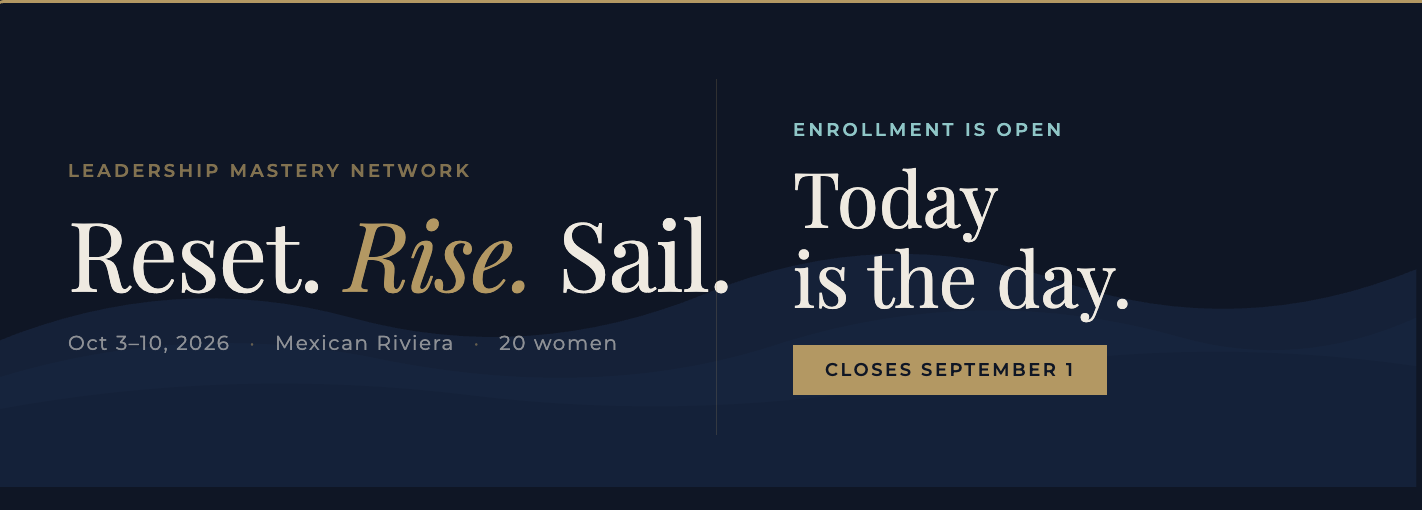
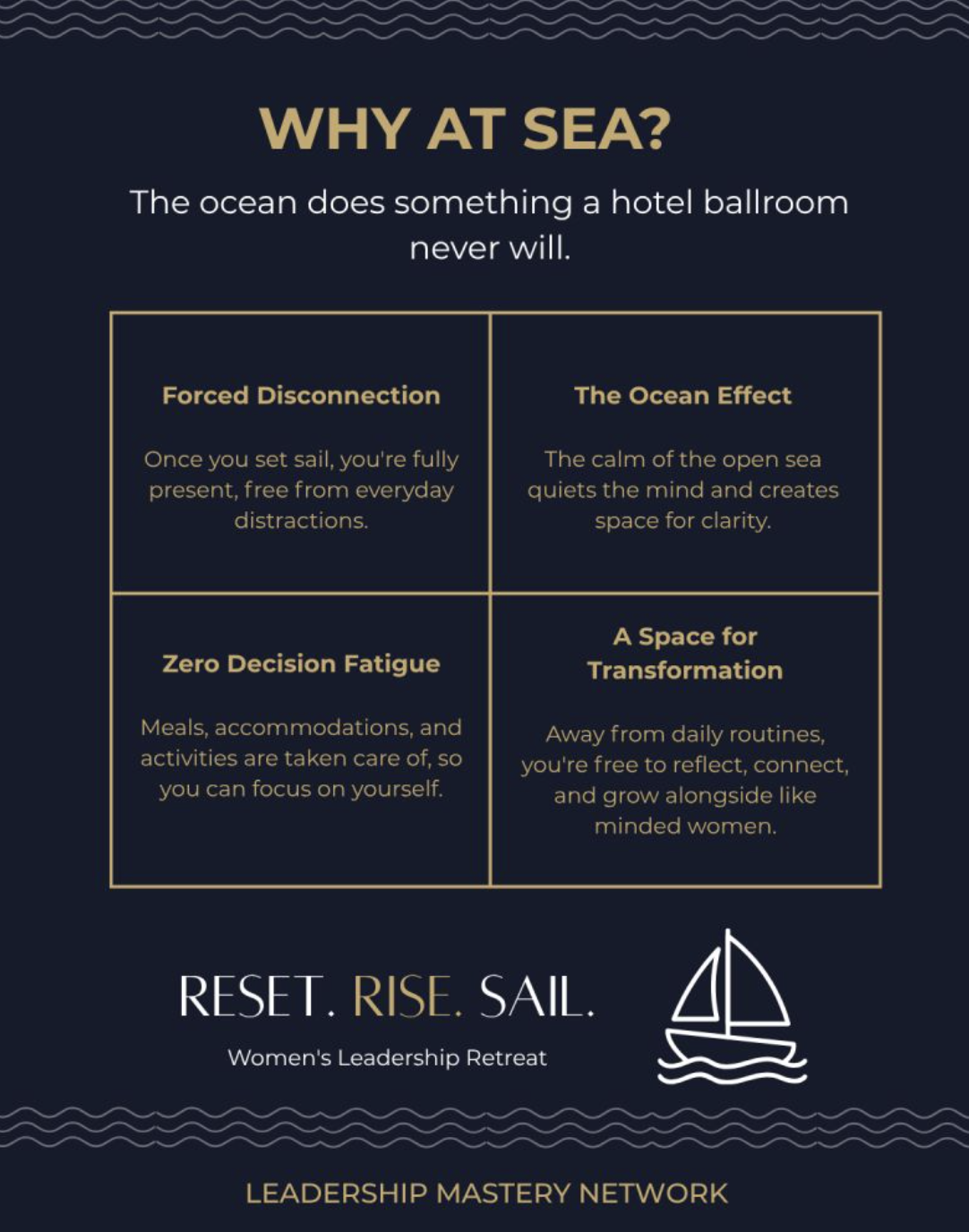
Reset. Rise. Sail. The Leader's Retreat 2026.
Seven nights aboard Virgin Voyages Brilliant Lady. Mexican Riviera. October 3 to 10. Twenty women maximum. Structured, intentional, and designed around one question: what would it look like to invest in yourself the way the best leaders invest in everything else they care about?
You leave with purpose and clarity that is genuinely yours. A 90-day plan that holds when life gets loud. A personal accountability tribe that becomes part of your board of directors. And daily habits built on the water that travel home with you.
Workshops. Morning movement and meditation. Group dinners. Shore excursions. The kind of honest conversation that only happens when you are in the middle of the ocean with nowhere to be except exactly where you are.
Enrollment closes on September 1, 2026.
If something in you has been waiting for the right reason to say yes to yourself, this is it.
Join Now: leadershipmasterynetwork.com/retreat2026

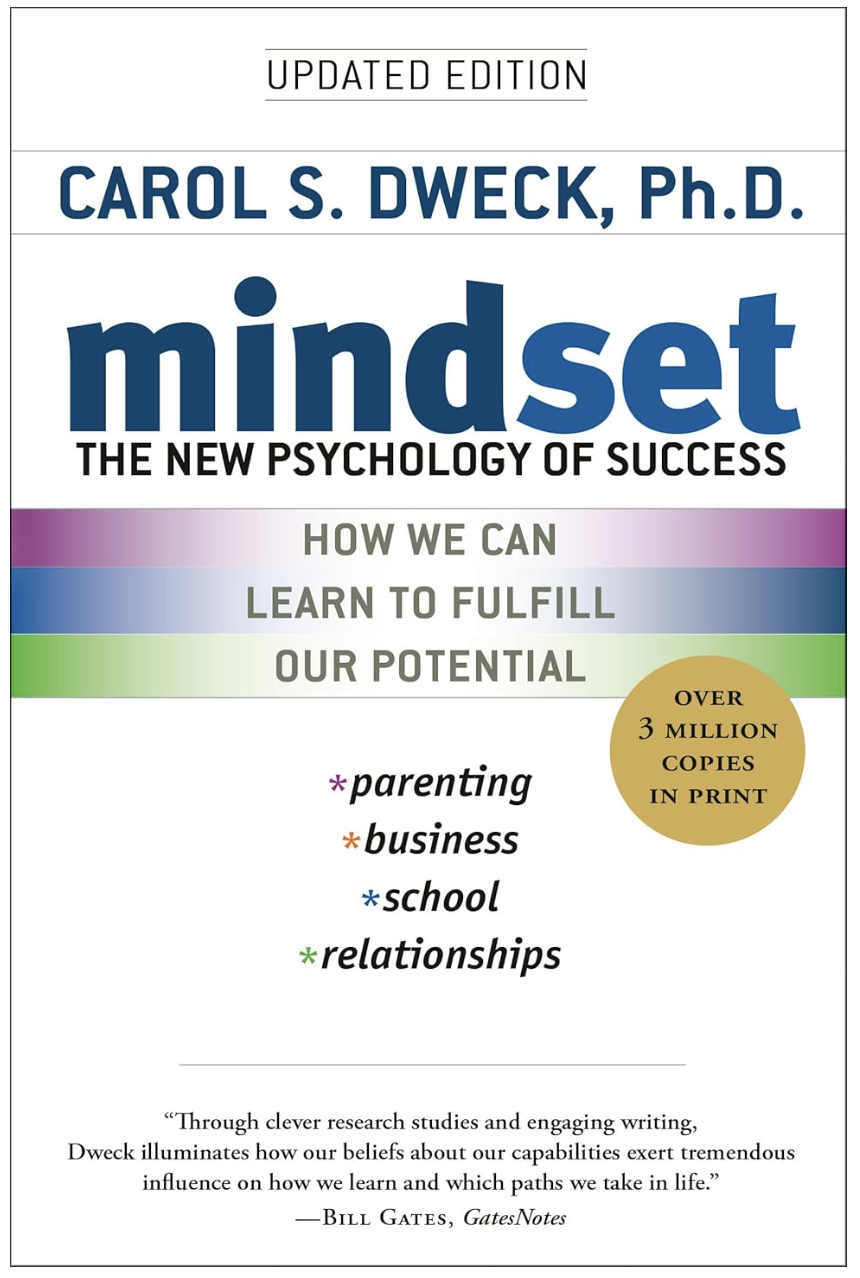
Mindset: The New Psychology of Success by Carol Dweck
If there is one book that sits at the foundation of everything this edition is about it is this one. Dweck's research on fixed versus growth mindset is not just about attitude. It is about the fundamental belief in whether you can change and grow, and how that belief shapes every decision you make about investing in yourself.
Leaders with a growth mindset seek challenges, welcome feedback, and keep developing long past the point where it would be easier to stop. This book will show you which one you are. And it will show you how to become the other.

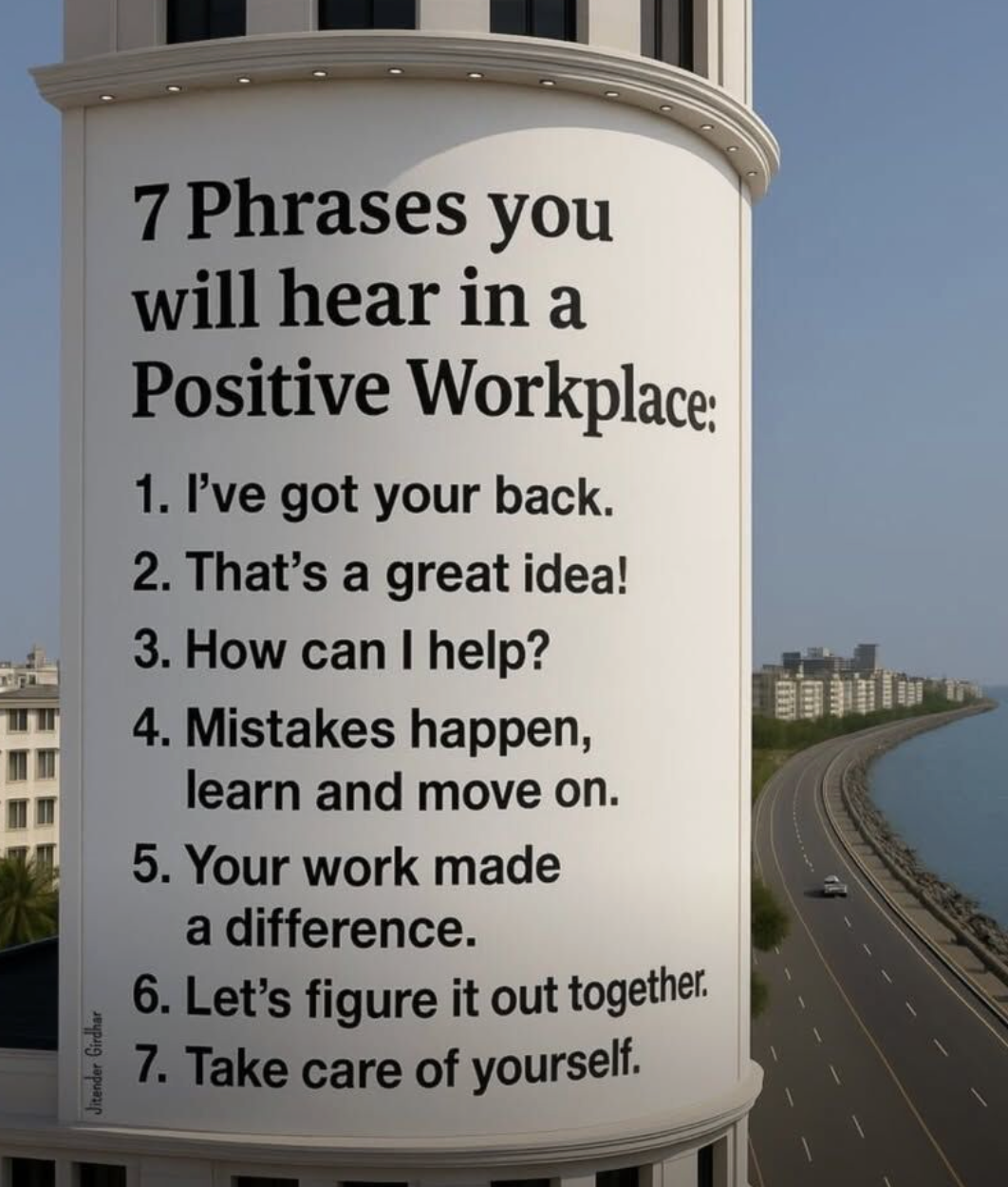
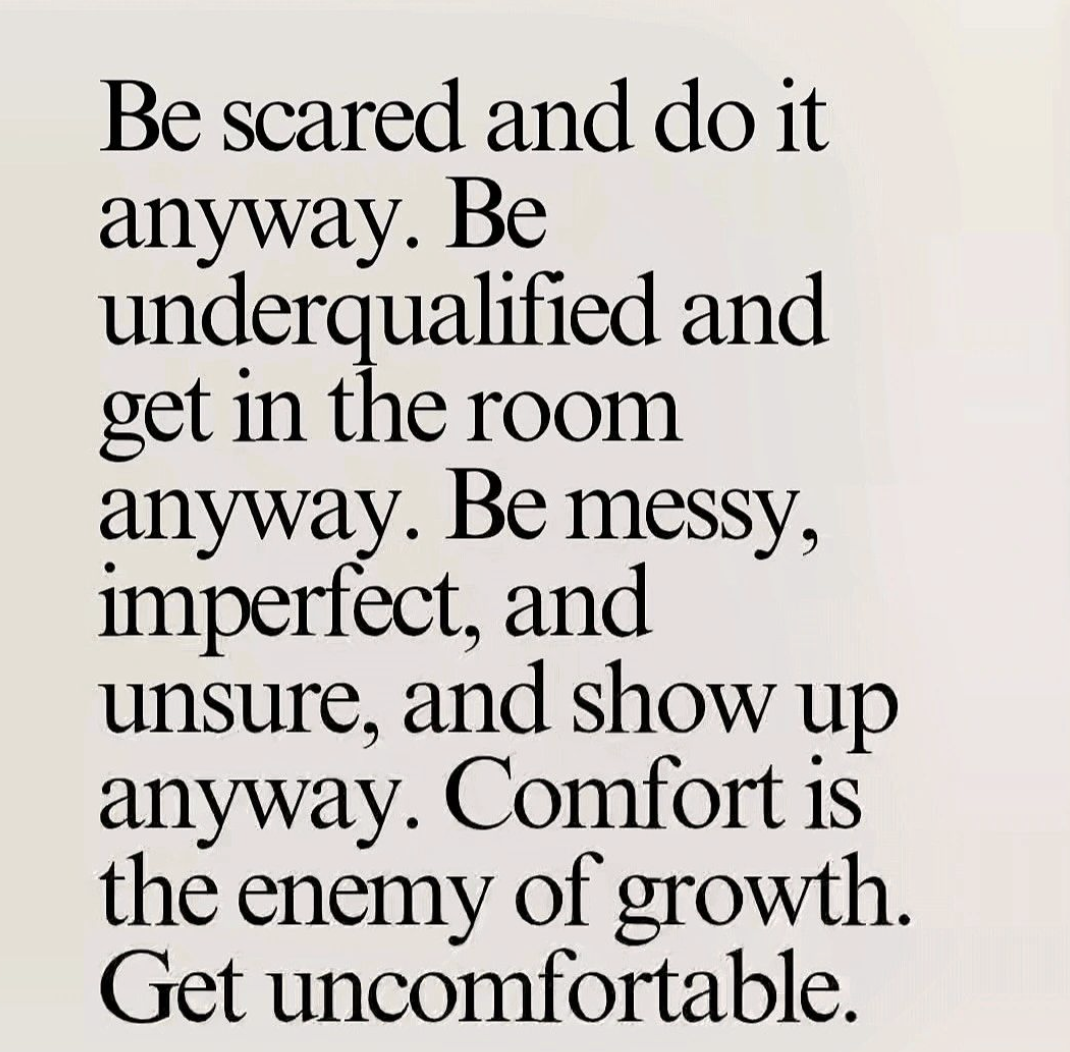
Consider how many different pieces of content you see in any given week. See something that resonates with you? Share it with us to feature it in our Social Media of the Week section.
"One day you will wake up and there will not be any more time to do the things you have always wanted. Do it now."
Paulo Coelho