
How Leaders Build Trust, Influence, and Presence Beyond Expertise
Respect shapes every interaction inside an organization. It affects how decisions are made, how teams respond under pressure, and how confidently people bring forward their ideas. Leaders feel the difference immediately when respect is present and when it is missing.
What many leaders discover is that respect is not automatic. It is earned, reinforced, and strengthened over time. And while most leaders want to be respected, few take the time to understand what type of respect they are building or why one type drives influence more than the other.
Before you can elevate your leadership presence, it helps to understand the two distinct forms of respect that operate in every workplace.
Respect Gained from Skills and Expertise
This is the respect you start with.
What you know, what you’ve mastered, and the results you deliver. Your team sees your experience, your technical depth, and your track record. It creates confidence in your competence.
This respect gets you in the room, but does not guarantee anyone will lean in when you speak.
Respect Earned Through Influence, Leadership, and Executive Presence
This is the respect you grow into and has nothing to do with your résumé.
It comes from how you make people feel when they work with you.
This form of respect is grounded in:
How you listen
How you communicate under pressure
How consistent you are
How you make decisions
How you show up when stakes are high
How you treat people who can offer you nothing
Leaders who rise understand that skills build credibility, presence builds influence, and influence creates respect that lasts.
Blind Spots That Quietly Erode Respect
Before leaders can strengthen the respect they receive, it helps to understand what gets in the way. Even the most experienced leaders have patterns that quietly limit their influence. These blind spots often operate beneath the surface and can erode respect without anyone noticing. Recognizing them is the first step to elevating your leadership presence and expanding the impact you want to have.
Believing expertise is enough: Many leaders assume their knowledge should automatically translate into influence. Influence begins with emotional intelligence, humility, and strong communication.
Unintentionally creating distance: As leaders grow, their team sees less of their humanity. Assumptions arise when people can’t read you and fill in the gaps.
Reacting instead of responding: Leaders who appear rushed, abrupt, or inconsistent send a signal that they are managing tasks, not leading people.
Missing moments that matter:
-> Respect is built in small moments.
-> Acknowledging effort.
-> Offering clarity.
-> Leaning into tough conversations.
-> Being present instead of distracted.Forgetting that respect and likability are not the same: Leaders sometimes chase approval, thinking it will improve engagement. Instead, people need leaders to be steady, fair, and accountable.
How Leaders Can Elevate Their Respect and Influence
Here are practical, high-impact ways to strengthen the type of respect that grows your leadership presence:
Lead with clarity: People respect leaders who remove confusion. Explain the “why.”, set direction, and communicate expectations in simple language.
Practice consistent follow-through: Reliability is one of the most defining elements of executive presence. When people know they can count on you, respect rises.
Communicate with intention: Tone, timing, and delivery shape how a message lands. Aim for calm, confident, and concise. Respect grows when people feel you speak to them, not at them.
Demonstrate emotional steadiness: People read energy more than your words. Calm, steady, and grounded leaders earn trust and respect faster, elevating their influence.
Stay curious about your blind spots
-> Ask for feedback: “What is one thing I could do better to support you?”
-> Listen without defending: Respect deepens when leaders are willing to evolve.Make recognition a leadership habit: Respect is reciprocal. When leaders consistently acknowledge effort, teams return respect through commitment and performance.
Show up the same way in every room: Executive presence is not what you do when it’s easy. It is who you are when the pressure is real, and the room is watching.
Respect is cultivated through presence, intention, and the way you move through everyday interactions. Leaders who understand the difference between respect for expertise and respect earned through influence create a deeper, more lasting impact.
When you lead with clarity, steadiness, and genuine connection, people experience you differently. They listen more closely, trust more fully, and rise with you.
Building respect is a leadership practice. It grows in the small moments, in honest conversations, in follow-through, and in the way you show up when it matters most.
When leaders commit to this work, they elevate not only their executive presence but also the culture around them. And that is where authentic leadership begins to transform teams, organizations, and lives.
“Your skills may open the door, but your influence determines how far others are willing to walk with you.”
EARLY BIRD PRICING! Get $250 off your order with Code: EARLY

Resources to Dive Deeper
Fierce Conversations by Susan Scott - A powerful guide to leading with honesty and presence through the conversations that most shape trust and respect.
Leadership Is Language by L. David Marquet - Demonstrates how leaders shift from control to influence through intentional communication and presence.
Coaching for Leaders by Dave Stachowiak - Insightful conversations on how leaders grow through feedback, relationships, and continuous development.
HBR IdeaCast - Short, research-backed discussions on leadership behaviors that build credibility and respect.

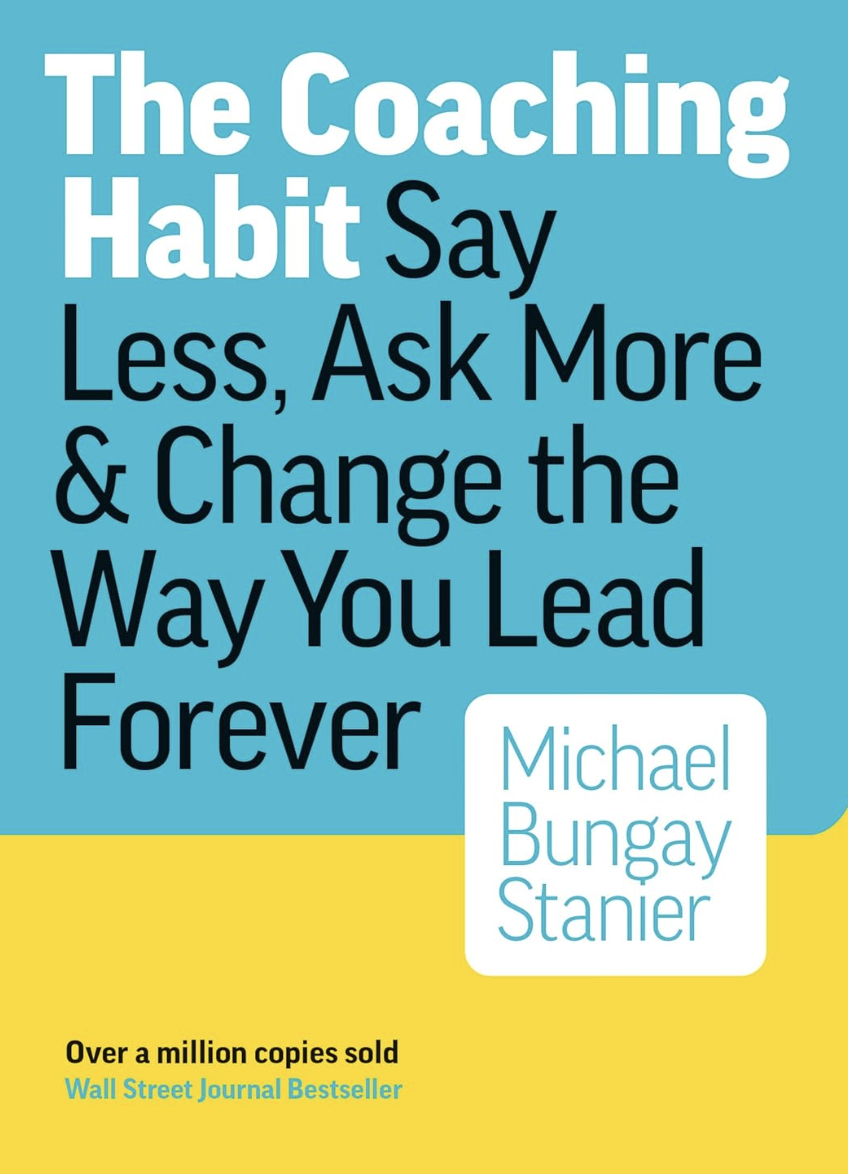
The Coaching Habit
This book is like having a seasoned executive coach at your side, gently but firmly interrupting your instinct to jump in with answers. It helps you step out of control and into curiosity, so your leadership creates clarity instead of dependence.
It walks you through simple, powerful questions that shift how you lead conversations, run meetings, and support your team’s growth. By learning to ask better questions and stay present, you build trust, accountability, and stronger thinking across your organization.
It’s especially good for founders, people leaders, and senior executives who want to lead with influence rather than authority and develop teams that take ownership, think independently, and grow together.

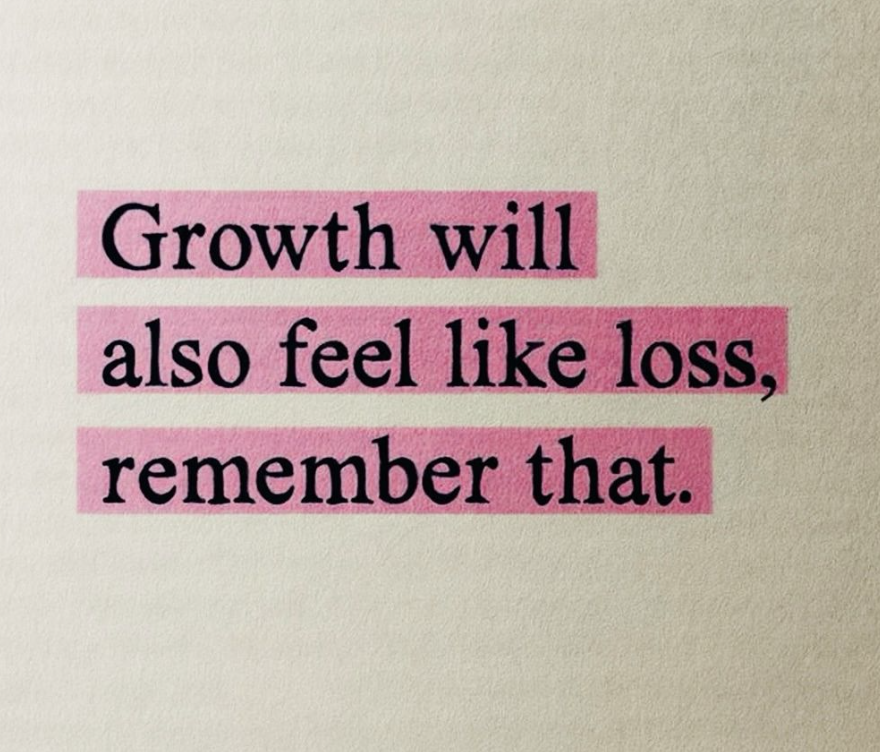
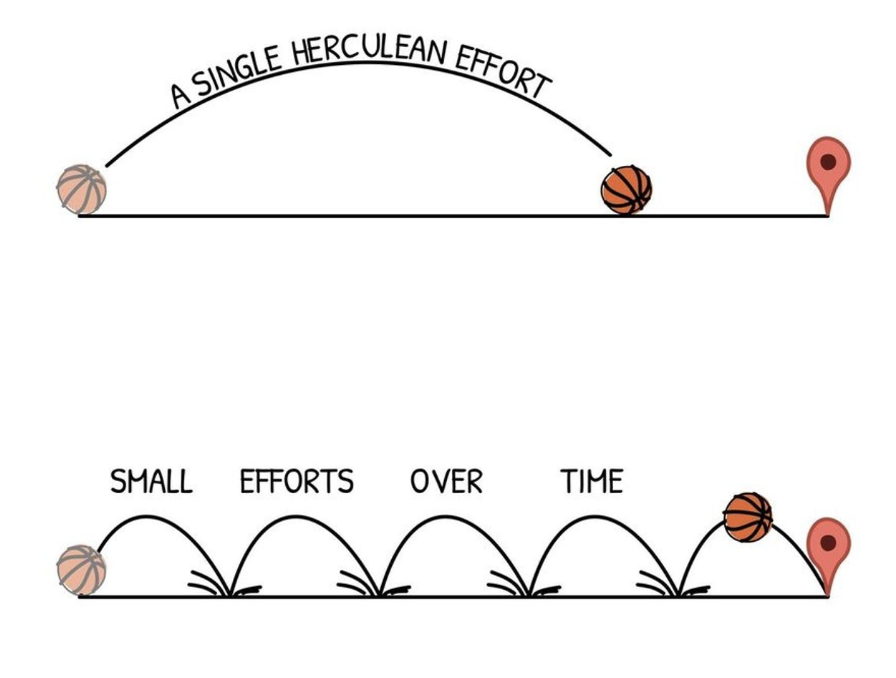
Consider how many different pieces of content you see in any given week. See something that resonates with you? Share it with us to feature it in our Social Media of the Week section.
“The most powerful leaders are not the ones with all the answers, but the ones willing to look honestly at their blind spots.”
-Leadership Mastery Network