
Leading Beyond Bias
How awareness, humility, and intention shape trust, culture, and executive presence
Bias is not a flaw, weakness, or a sign of poor leadership.
Bias is human.
“Awareness is the first leadership skill. You can’t shift what you cannot see.” ~ A Leader’s Guide to Unconscious Bias
That single insight reframes the entire conversation. Leaders don’t need to eliminate bias; they need to see it, understand it, and choose how they respond to it.
Every leader wants to believe they make decisions with clarity, fairness, and intention. Yet the truth is, how we respond, interpret, and evaluate others happens long before we’re even aware of it.
Bias lives in the unconscious shortcuts the brain creates to help us process information quickly. These shortcuts become patterns that shape who we trust, mentor, promote, and unintentionally overlook.
Leaders are constantly cultivating the culture around them. The more aware you become of your own assumptions, the more intentional your leadership becomes. This is where trust grows, psychological safety strengthens, and where teams flourish.
Before we look at how bias influences leadership behavior and culture, let’s walk through the most common types of bias leaders encounter, often without realizing it.
Affinity Bias: Gravitating toward people who remind us of ourselves. > Example: Repeatedly selecting the same “go-to” people for stretch assignments.
Confirmation Bias: Looking for evidence that confirms what we already believe. > Example: Only noticing what reinforces your first impression of someone.
Halo & Horn Effect: Seeing one positive or negative trait that becomes the entire story. > Example: A polished communicator gets overestimated in unrelated areas.
Attribution Bias: Blaming others’ mistakes on personality and our own on circumstances. > Example: “I was late because of traffic” vs “they were late because they don’t manage time.”
Perception Bias: Relying on stereotypes or assumptions when information is incomplete. > Example: Assuming age predicts adaptability or capability.
Negative Bias: Focusing on what’s wrong instead of what’s improving drains motivation and diminishes momentum. > Example: Highlighting gaps instead of recognizing progress or strengths.
Leadership credibility is built through patterns, not moments. Bias grows in the absence of awareness.
Bias shows up through:
Tone
Responsiveness
Body language
Who you invest in
Who you doubt
How consistently you treat people
Your actions communicate far more than your words, and trust grows in the presence of intention.
One of the most powerful mindset shifts a leader can make is choosing to assume positive intent. This interrupts reactive judgments, reduces unnecessary conflict, and opens the door to dialogue rather than defensiveness.
Assuming positive intent is not naïve; it is disciplined leadership.
“Leadership is not about being neutral. It’s about being conscious.”
This requires us to remain humble, stay curious, and have a willingness to learn.
These qualities help leaders acknowledge what they don’t know, explore perspectives they haven’t considered, and approach situations with openness rather than judgment.
When leaders lead with humility, they stop performing and start listening.
When they lead with curiosity, they ask questions before reaching conclusions.
When they embrace learning, they expand their awareness and influence.
Together, a leader's mindset (how you think) and traits (how you naturally behave) help dismantle unconscious bias and strengthen leadership credibility.
When leaders practice these:
Team members feel understood, respected, and valued
Psychological safety increases
Feedback becomes a learning loop
Conversations become more open and honest
Collaboration and innovation improve
Decisions become more fair and grounded
Bias loses the power to drive actions unnoticed
This combination strengthens executive presence by reflecting emotional maturity, grounded confidence, and character-driven leadership.
Leaders who embody these traits do not need to tell others who they are.
Their behavior communicates it clearly.
Bias will always be part of being human. Your greatest influence comes from the moments when you pause, challenge your assumptions, and choose intention over instinct. This is where trust grows and culture shifts.
Leaders who rise are the ones who stay humble, stay curious, and assume positive intent. They do the inner work that strengthens their character long before they expect change from others.
If you want to elevate your executive presence, start by examining bias in your own awareness. When you shift how you think, you shift how you lead. And that shift shapes the experience, trust, and confidence of everyone around you.
Awareness is the work that builds a legacy.
“Bias thrives in speed. Awareness begins when we pause.”
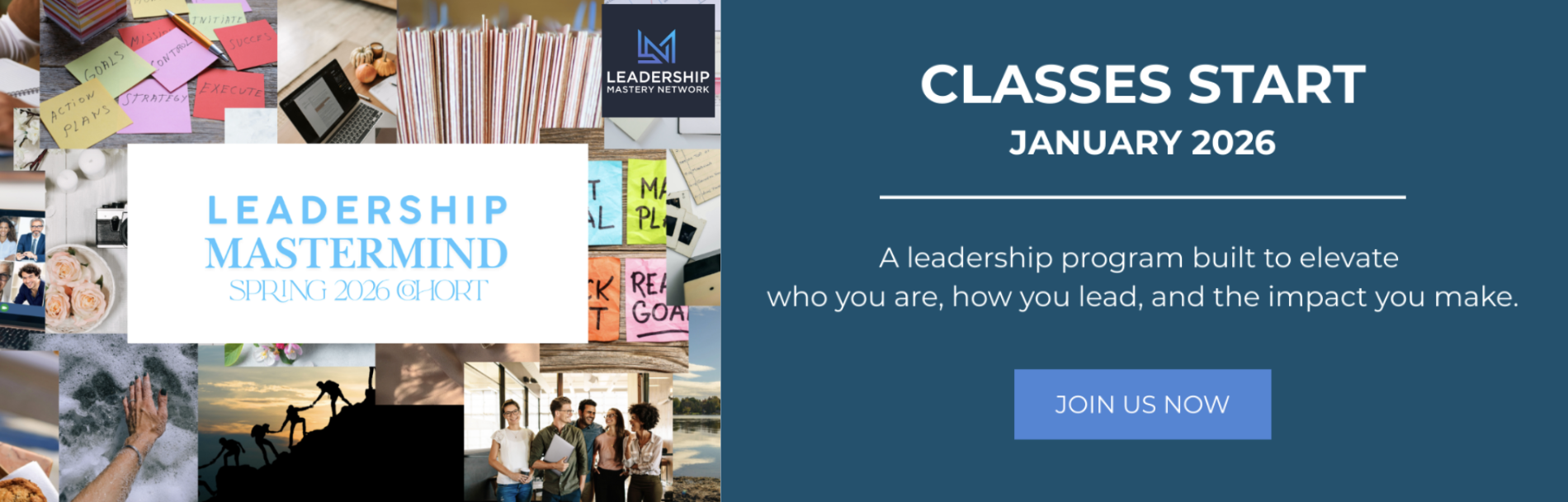
EARLY BIRD PRICING! Get $250 off your order with Code: EARLY

Resources to Dive Deeper
Blindspot: Hidden Biases of Good People: A foundational book that explains how unconscious bias operates even in well-intentioned people and how awareness creates choice.
What Works: Gender Equality by Design: A practical, research-backed look at how organizations can reduce bias through systems, not just intention.
The Knowledge Project Podcast – Shane Parrish: Deep conversations on decision-making, mental models, and how leaders can think more clearly under pressure.
Harvard Business Review: How to Take the Bias Out of Interviews: A clear, actionable article on reducing bias in one of the most critical leadership decisions: hiring.

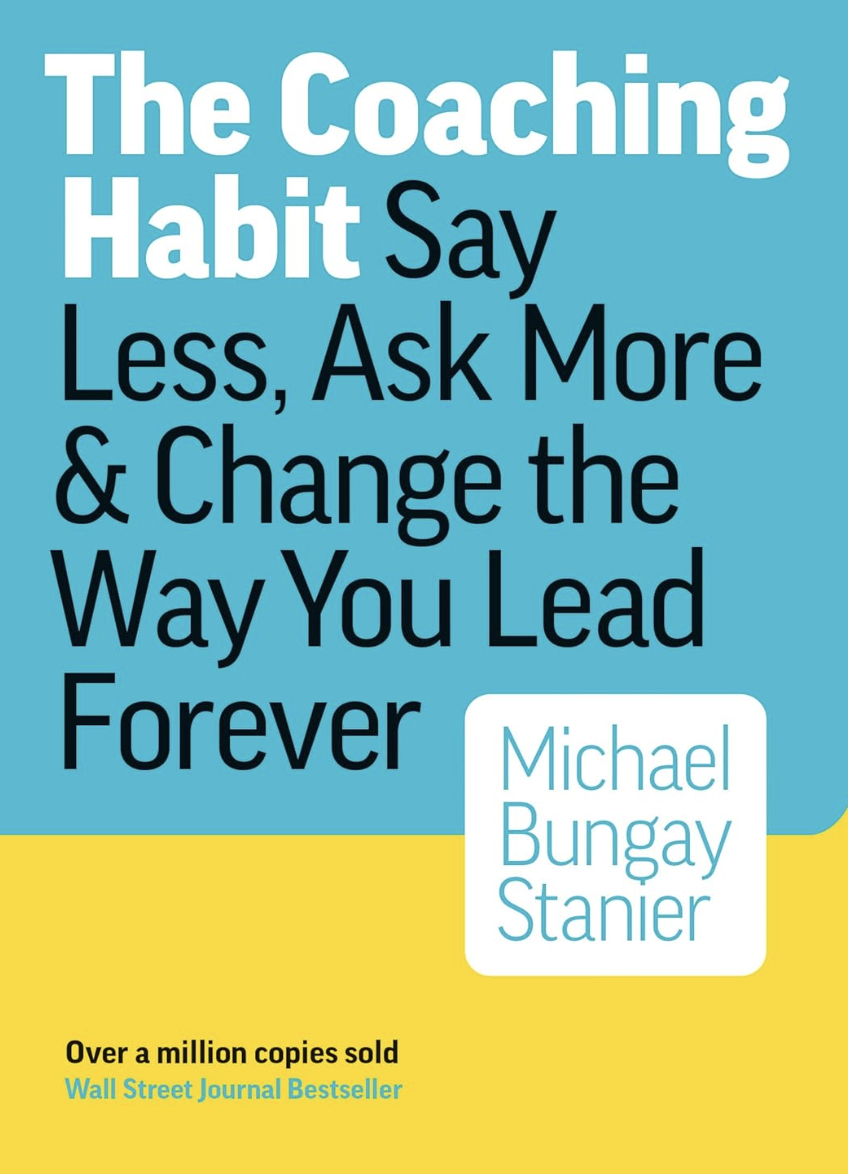
The Coaching Habit
This book is like having a seasoned executive coach at your side, gently but firmly interrupting your instinct to jump in with answers. It helps you step out of control and into curiosity, so your leadership creates clarity instead of dependence.
It walks you through simple, powerful questions that shift how you lead conversations, run meetings, and support your team’s growth. By learning to ask better questions and stay present, you build trust, accountability, and stronger thinking across your organization.
It’s especially good for founders, people leaders, and senior executives who want to lead with influence rather than authority and develop teams that take ownership, think independently, and grow together.

Consider how many different pieces of content you see in any given week. See something that resonates with you? Share it with us to feature it in our Social Media of the Week section.
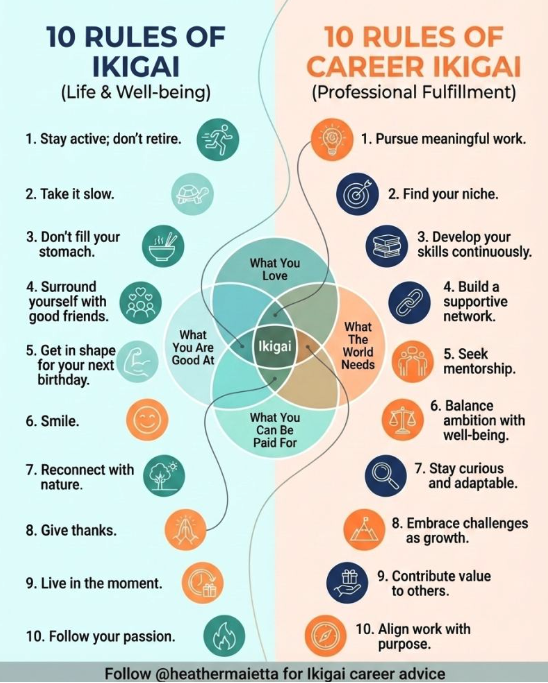
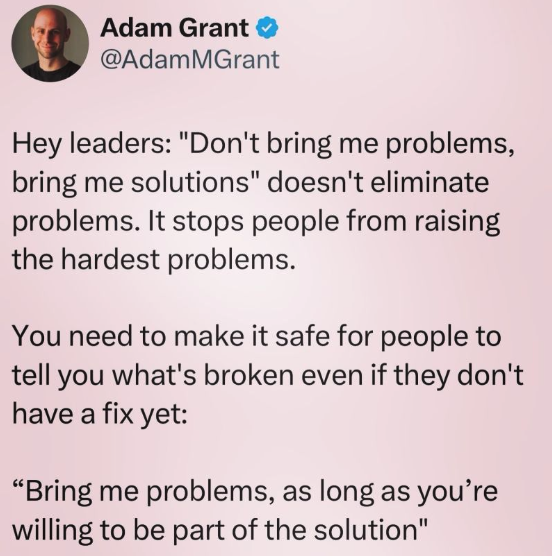
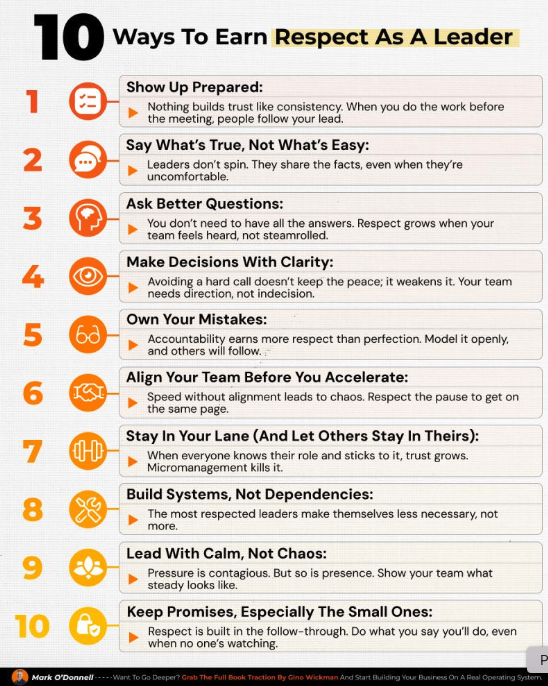
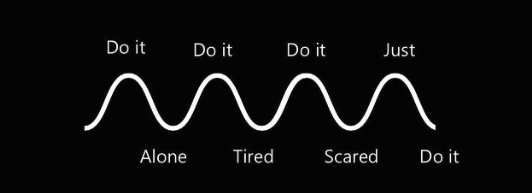
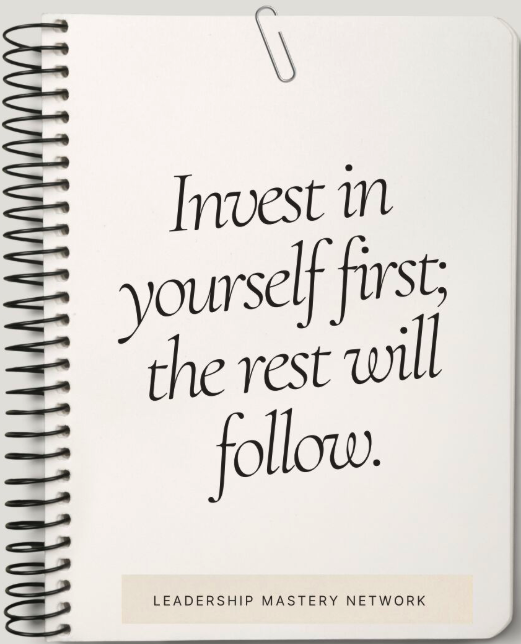
“Leadership isn’t proven by how confident you are in your answers, but by how willing you are to question them.”
-Leadership Mastery Network